
Used 1997 Volvo Trucks For Sale
Shop used 1997 Volvo trucks, including highway and vocational models, with details on engines, cabs, axle specs, and buyer inspection points.


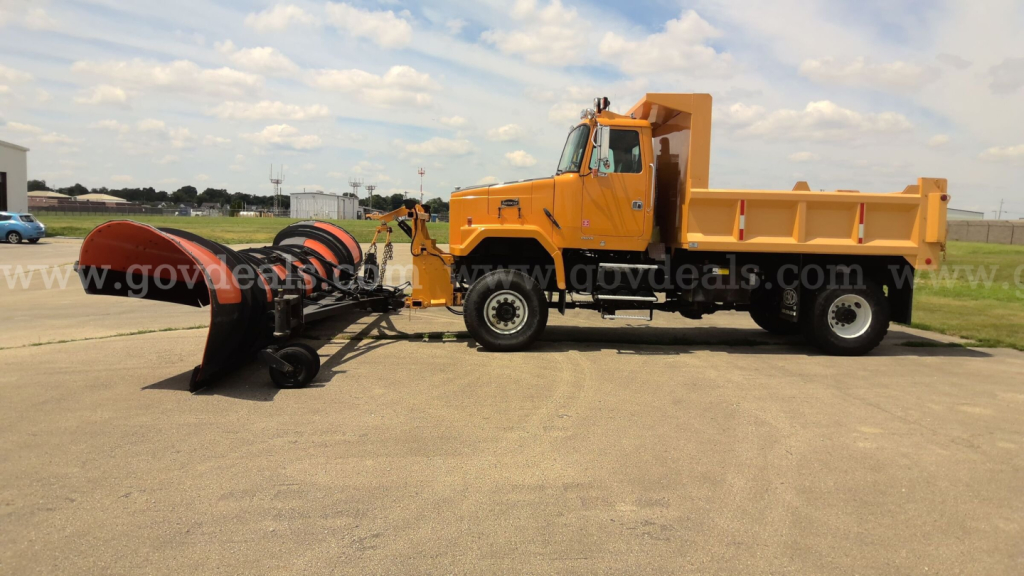
Have used 1997 volvo truck to sell? List it here to reach thousands of buyers.
Used 1997 Volvo Trucks
For highway use, a 1997 Volvo tractor is often evaluated around engine family, transmission, and rear ratio before anything else. Trucks from this era may be equipped with Volvo diesel power or other engines depending on original spec and market. Manual transmissions remain common, and many buyers prefer them for service simplicity and lower repair cost. Wheelbase, fifth wheel position, and tandem spacing affect bridge compliance, trailer swing clearance, and how the truck fits regional versus long-haul applications. If the truck is intended for dry van, reefer, flatbed, or tanker work, confirm PTO needs, wet kit requirements, and gross combination weight expectations before narrowing options.
Condition matters more on a 1997 model than headline mileage alone. Service records, ECM history if available, frame corrosion, suspension wear, steering play, brake condition, clutch life, and tire match are all high-value checkpoints. On older Volvo trucks, cab mounts, wiring condition, air system leaks, and cooling system health deserve close inspection. Buyers should also verify emissions compliance requirements in the states or fleets where the truck will operate, since pre-emissions trucks can be attractive in some applications but restricted in others. Interior wear, seat condition, sleeper HVAC performance, and dash function also tell you a lot about how the truck was used and maintained.
A well-bought used 1997 Volvo truck can still make sense for farm work, short-haul operations, export, vocational conversion, or backup fleet duty. The best value usually comes from matching the truck's original spec to the job instead of planning on heavy reconfiguration after purchase. Pay attention to axle ratings, title status, wheelbase, suspension, and drivetrain compatibility with your trailers or body plans. Older Volvos can be practical trucks when the mechanical condition is honest and the spec fits the route, load profile, and maintenance strategy.
Frequently Asked Questions about Used 1997 Volvo Trucks
What should I look for first on a used 1997 Volvo truck?
Start with the drivetrain and structural condition. Engine performance, transmission operation, clutch engagement, axle ratings, frame condition, and suspension wear will affect operating cost more than cosmetic appearance. On a truck of this age, buyers should also inspect for air leaks, wiring repairs, cooling system issues, steering looseness, and uneven tire wear. Service history and evidence of consistent maintenance are major advantages.
Are 1997 Volvo trucks good for highway use or better for local work?
That depends on the original spec. A sleeper tractor with the right wheelbase, gearing, and drivetrain can still suit regional or limited highway service, while a day cab or vocational configuration may be better for local hauling, farm use, or jobsite work. The best approach is to match the truck's axle capacity, cab style, transmission, and suspension to the actual route and payload instead of assuming every 1997 Volvo fits the same application.
Do older Volvo trucks have parts and service considerations buyers should know about?
Yes. Parts availability can vary by engine, cab components, and chassis systems, especially on a truck approaching three decades old. Common wear items are usually easier to source than model-specific trim, electrical parts, or obsolete cab hardware. Buyers should identify the exact engine, transmission, rear ends, and suspension before purchase so they can confirm service support and replacement part availability in their area.
Is mileage the most important factor on a used 1997 Volvo truck?
No. Mileage matters, but condition and maintenance history matter more on an older truck. A higher-mile truck with documented repairs, solid drivetrain performance, and a clean frame can be a better buy than a lower-mile truck with corrosion, deferred maintenance, or unresolved mechanical issues. Engine hours, previous application, and overall chassis wear often give a clearer picture than odometer reading alone.
Can a used 1997 Volvo truck still be a cost-effective fleet purchase?
It can be, especially for secondary duty, seasonal work, agricultural hauling, export, or operations that do not require late-model emissions equipment. The key is realistic expectations. A lower purchase price can be offset by repair needs if the truck was not maintained well. Buyers who understand the truck's intended workload, inspect the major systems carefully, and budget for age-related maintenance are more likely to get good value from a 1997 Volvo.