
Commercial Trucks For Sale Near Villa Rica, Georgia

Have commercial truck to sell? List it here to reach thousands of buyers.
Commercial Trucks Near Villa Rica, Georgia
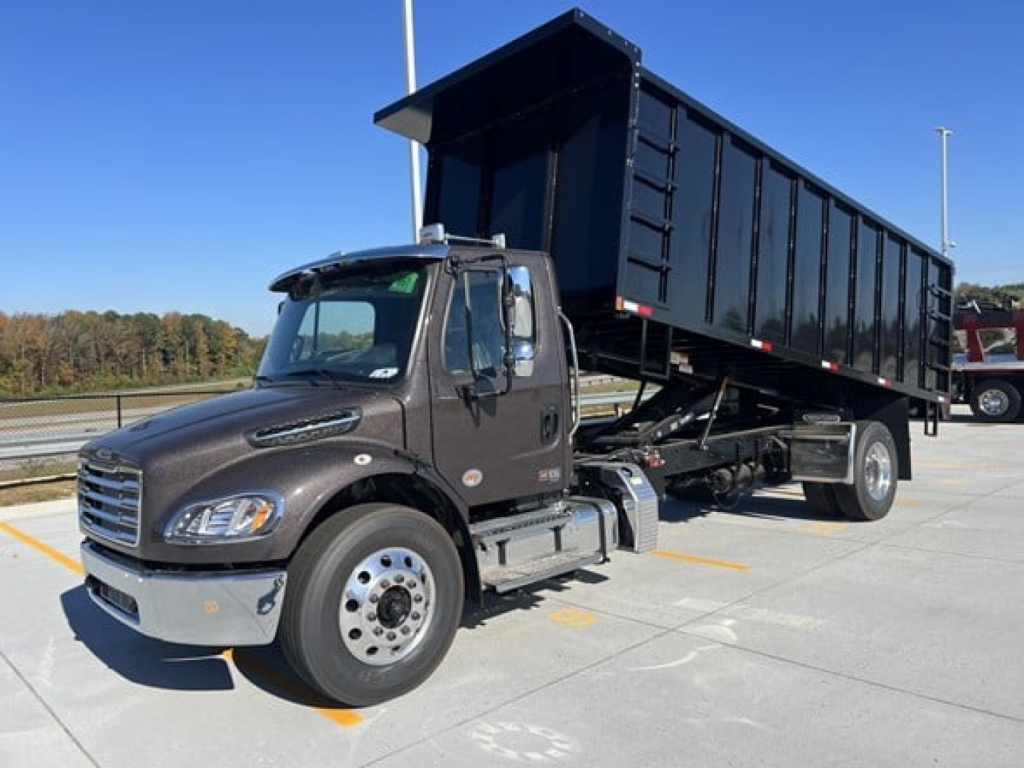
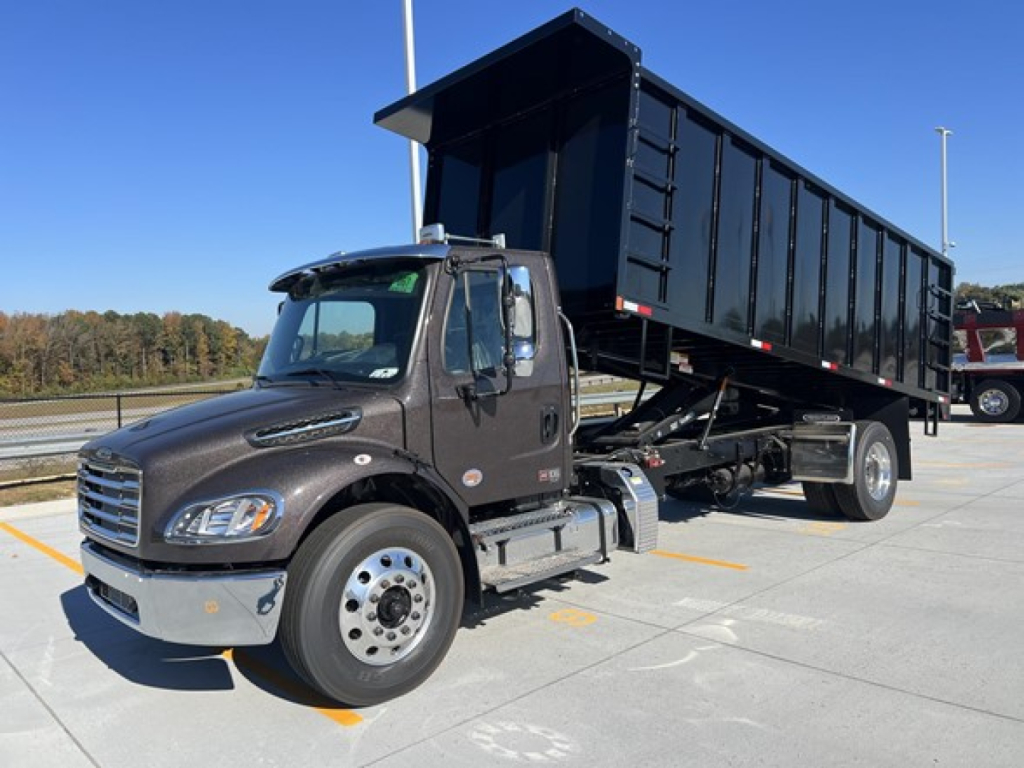
For vocational use, tandem axle dump trucks remain a common Class 8 choice for construction, aggregate, grading, and municipal hauling. Buyers should pay close attention to front axle ratings in the 20,000-pound range, rear axle ratings around 40,000 to 44,000 pounds, suspension type, body material, and transmission spec. Spring suspension and automatic Allison transmissions are a familiar combination on dump applications because they hold up well in stop-and-go work and simplify operation on jobsites. Engine choices in this segment often center on mid-bore diesels like the Detroit DD13, typically in horsepower ranges that balance launch torque, PTO compatibility, and fuel burn rather than chasing peak top-end speed.
For highway freight, day cab and sleeper tractors are the core of the market. A tandem axle 6x4 day cab is typically selected for regional haul, dedicated lanes, port work, tanker, dump trailer, and local bulk operations where a sleeper is unnecessary. Key specs include engine family, horsepower, automated manual or manual transmission, wheelbase, sliding fifth wheel, and fuel capacity. Sleeper trucks, also known as sleeper tractors or conventional sleepers, add overnight capability and are usually evaluated by sleeper size, roof profile, number of bunks, APU presence, and overall wheelbase. In newer on-highway trucks, buyers also increasingly look for collision mitigation systems, air ride suspension, aluminum wheels, and integrated powertrains such as a Detroit DD15 with DT12 AMT for fuel efficiency and driver acceptance.
Used truck shoppers should weigh operating condition and repair exposure as heavily as purchase price. On older vocational units, engine history, emissions system condition, transmission performance, hydraulic function, frame integrity, and tire condition can matter more than appearance. On late-model tractors, service records, aftertreatment history, idle hours, software updates, and spec consistency with the intended trailer are all worth checking. In west Georgia, where trucks may move between interstate lanes, quarries, construction sites, and regional freight corridors, the best truck is the one whose axle ratings, drivetrain, cab configuration, and body or fifth wheel setup match the revenue job without overbuying capacity.
Frequently Asked Questions about Commercial Trucks Near Villa Rica, Georgia
What is the difference between a day cab truck and a sleeper truck?
A day cab truck is built without a sleeper compartment and is typically used for local or regional routes where the driver returns the same day. A sleeper truck includes a bunk area behind the seats for overnight runs and long-haul work. The right choice depends on route length, customer schedules, driver retention needs, and weight distribution requirements tied to wheelbase and fuel capacity.
What should I look for in a dump truck spec?
The main dump truck buying points are axle ratings, suspension, engine torque, transmission type, body material, and hydraulic compatibility. Front axle capacity is especially important because dump trucks often carry heavy legal and off-road loads that shift weight forward. Buyers also compare steel versus aluminum bodies, spring versus air suspension, and whether an automatic transmission like an Allison fits the stop-and-go duty cycle better than other options.
Why does wheelbase matter when buying a truck?
Wheelbase affects turning radius, bridge law flexibility, body length, ride quality, and how the truck carries weight across the axles. A shorter wheelbase usually helps maneuverability in urban, site, or terminal work, while a longer wheelbase may better suit sleepers, larger fuel capacity, or certain body and trailer combinations. It should always be matched to the application instead of treated as a minor detail.
Is an automated manual transmission a good choice for a highway tractor?
An automated manual transmission is a common choice in modern highway tractors because it can improve fuel economy, reduce driver fatigue, and simplify training across a fleet. Integrated systems such as Detroit's DT12 paired with a DD15 are designed to optimize shift logic for load and terrain. Buyers should still confirm software support, service access, and driver acceptance, especially if the truck will run in mixed terrain or heavy vocational crossover work.
What matters most when buying a used truck?
Condition matters more than age alone. The best used-truck evaluation includes engine and aftertreatment history, transmission operation, axle and suspension wear, frame condition, brake system health, tire condition, and any signs of hydraulic or electrical issues. For vocational trucks, body and hoist condition are critical, and for road tractors, service records, fault history, and sleeper or APU functionality can have a major impact on total cost of ownership.