
Commercial Trucks For Sale Near Vanceboro, North Carolina
Have commercial truck to sell? List it here to reach thousands of buyers.
Commercial Trucks Near Vanceboro, North Carolina
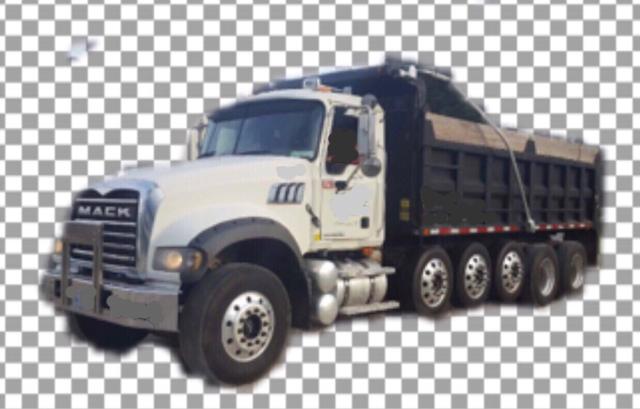
For vocational trucks, common spec decisions center on durability and load-carrying capacity. Dump trucks often use tandem, tri-axle, quad, or quint axle setups, with double frames, heavy front axles, and suspensions such as camelback or air ride depending on payload and road conditions. Engine choices are typically diesel platforms from Mack, Cummins, Detroit, Paccar, or Caterpillar in older models, matched to manual, automated manual, or automatic transmissions. In this class, transmission selection matters because low-speed control, gradeability, and PTO operation can be more important than highway cruising efficiency. Buyers comparing used trucks should also check steering axle capacity, rear axle ratio, tire size, brake wear, and whether the truck has current inspection status and a clean, transferable title.
Regional use in eastern North Carolina can also shape the right spec. Construction, site work, material hauling, municipal service, forestry support, and farm-related hauling each put different demands on a truck. Softer ground and mixed on-road off-road use may favor certain suspension designs, tire choices, and axle spreads. Corrosion, frame condition, and body mount integrity deserve a close inspection in any used truck, especially on older vocational units that have spent years under heavy loads. Cab condition matters, but the higher-value checks are engine hours, maintenance history, driveline condition, hydraulic operation if equipped, and signs of stress around hoists, crossmembers, spring hangers, and frame rails.
When comparing trucks for sale, focus on the total operating fit. A lower-mile unit is not automatically the better buy if the axle ratings, transmission, or frame spec do not match the intended job. Payload needs, bridge law considerations, turning radius, and local service support all affect long-term value. The best truck in this category is the one with the right spec for the route, the material, and the duty cycle, with enough remaining life in the powertrain, suspension, brakes, and tires to go straight to work.
Frequently Asked Questions about Commercial Trucks Near Vanceboro, North Carolina
What should I check first when buying a used truck?
Start with the truck's intended application and confirm that the chassis spec matches it. Axle count, axle ratings, wheelbase, frame strength, suspension, engine horsepower, transmission type, and PTO capability all matter more than appearance. After that, inspect maintenance records, title status, brake and tire condition, engine hours if available, and signs of frame or body stress. A truck that is correctly spec'd for the work is usually a better purchase than one that only looks cleaner or has lower miles.
How do axle configuration and wheelbase affect truck performance?
Axle setup determines legal payload, traction, bridge compliance, and how the truck carries weight. Tandem, tri-axle, quad, and quint configurations serve different hauling needs, especially in dump and vocational work. Wheelbase affects turning radius, body fitment, ride quality, and weight distribution between steer and drive axles. A longer wheelbase may improve stability and body capacity, while a shorter wheelbase can be easier to maneuver on tight jobsites or in urban service.
Is a manual transmission better than an automatic in a work truck?
It depends on the duty cycle. Manual transmissions and low-range boxes such as 8LL or similar setups remain common in vocational trucks because they offer strong low-speed control, reliable PTO operation, and simple serviceability. Automatic and automated manual transmissions can reduce driver fatigue and improve consistency, especially in stop-and-go service. The better choice depends on terrain, driver experience, start-and-stop frequency, and whether the truck will spend most of its time on-road or working in low-speed jobsite conditions.
What matters most on an older vocational truck?
Structural and mechanical condition matter most. Inspect the frame rails, crossmembers, spring hangers, suspension mounts, steering components, driveline, hoist mounts if equipped, and any signs of welding or cracking in stressed areas. Check for oil, coolant, and hydraulic leaks, and verify brake condition, tire wear, and differential operation under load. Older trucks can still be strong performers if they have been maintained correctly and the chassis has not been overstressed for years.
Are miles the best way to judge a used truck?
No. Mileage is only one data point, and it can be less important on vocational trucks than on highway units. Idling, PTO use, heavy loads, off-road operation, and repeated short-haul cycles can create wear that mileage alone does not show. Buyers should weigh miles alongside engine hours, service history, previous application, brake and suspension condition, and overall chassis integrity. A higher-mile truck with the right maintenance and spec can outperform a lower-mile truck that was poorly maintained or incorrectly configured.