
Commercial Trucks For Sale Near Van Buren, Arkansas
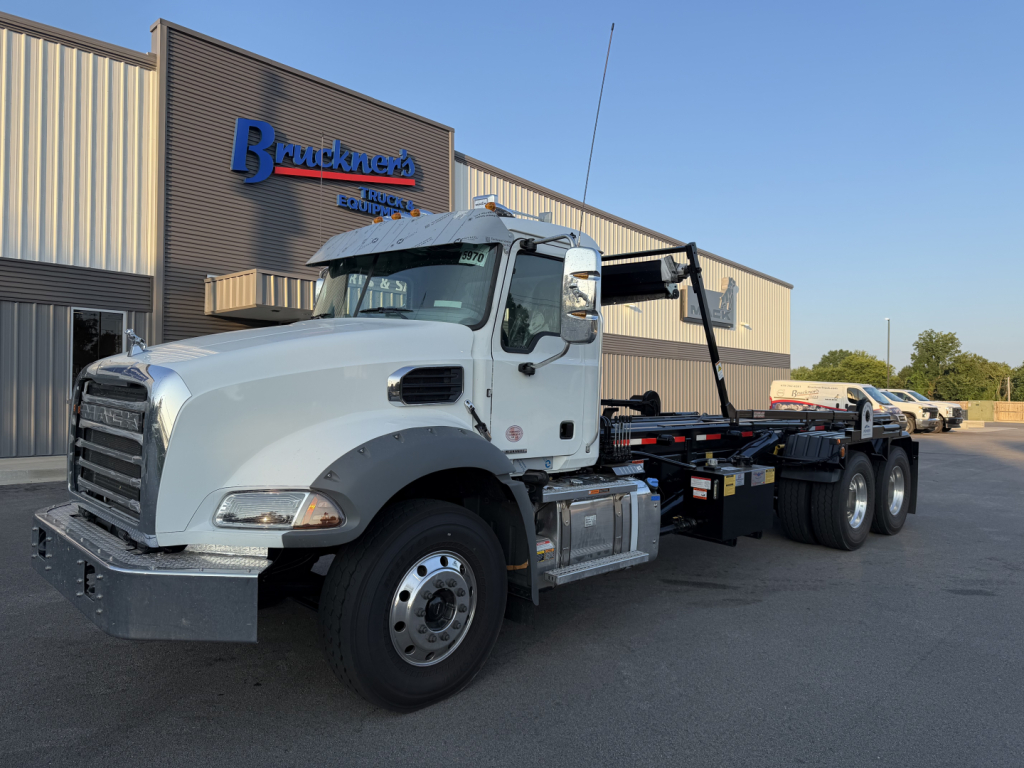
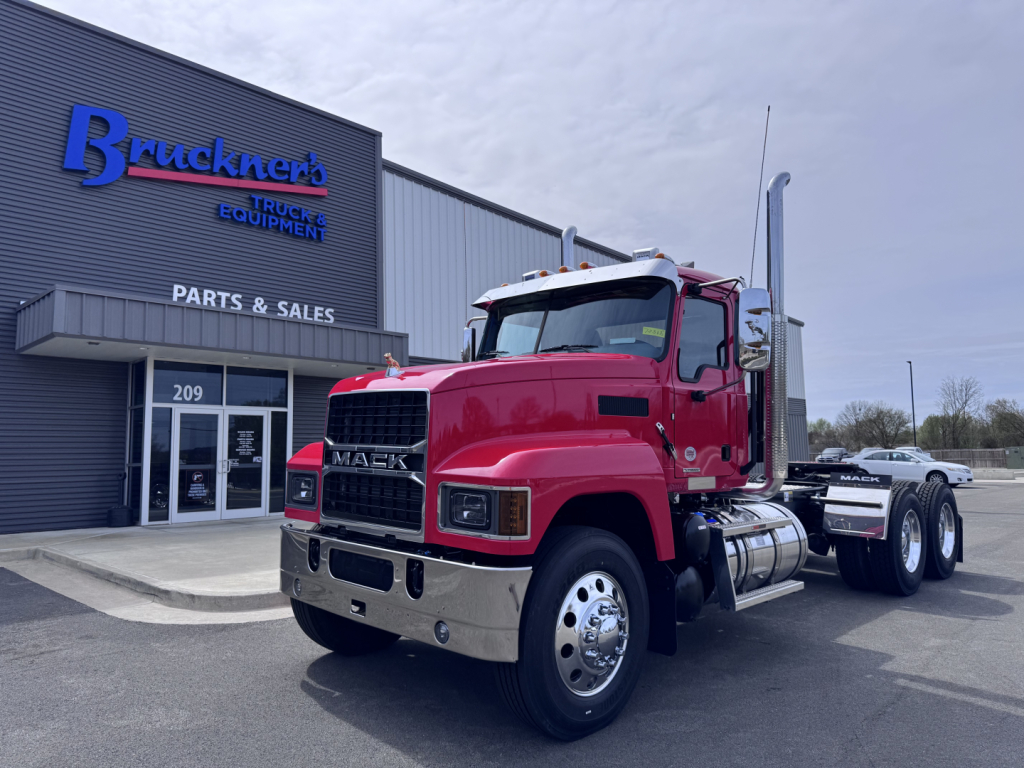
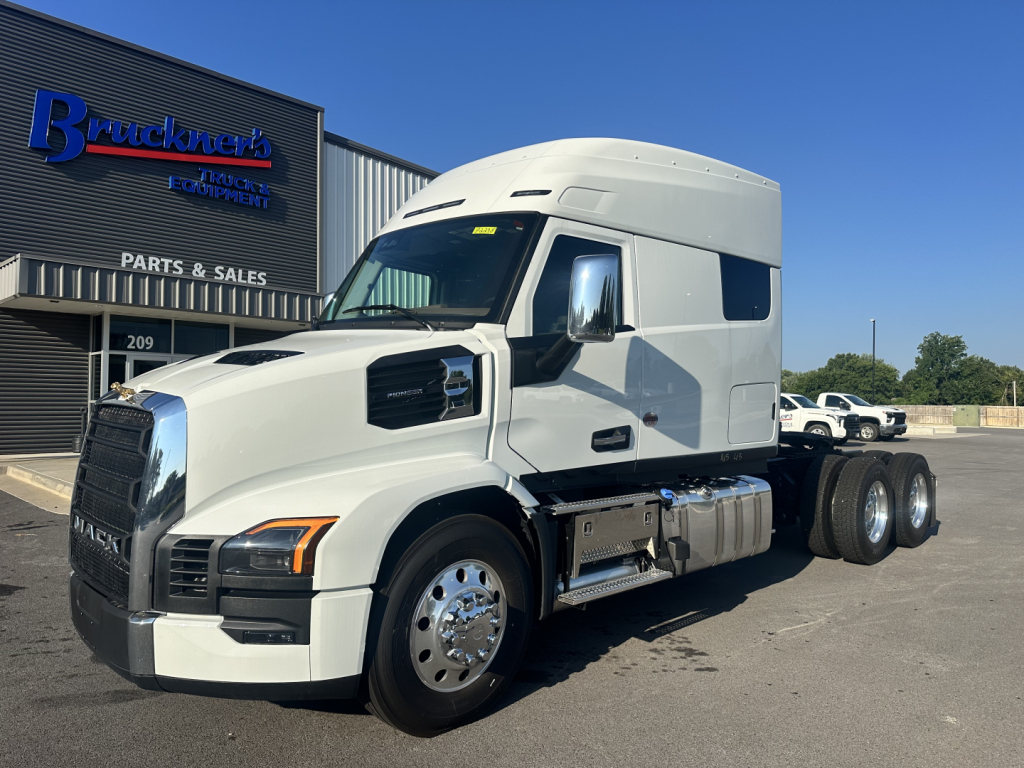
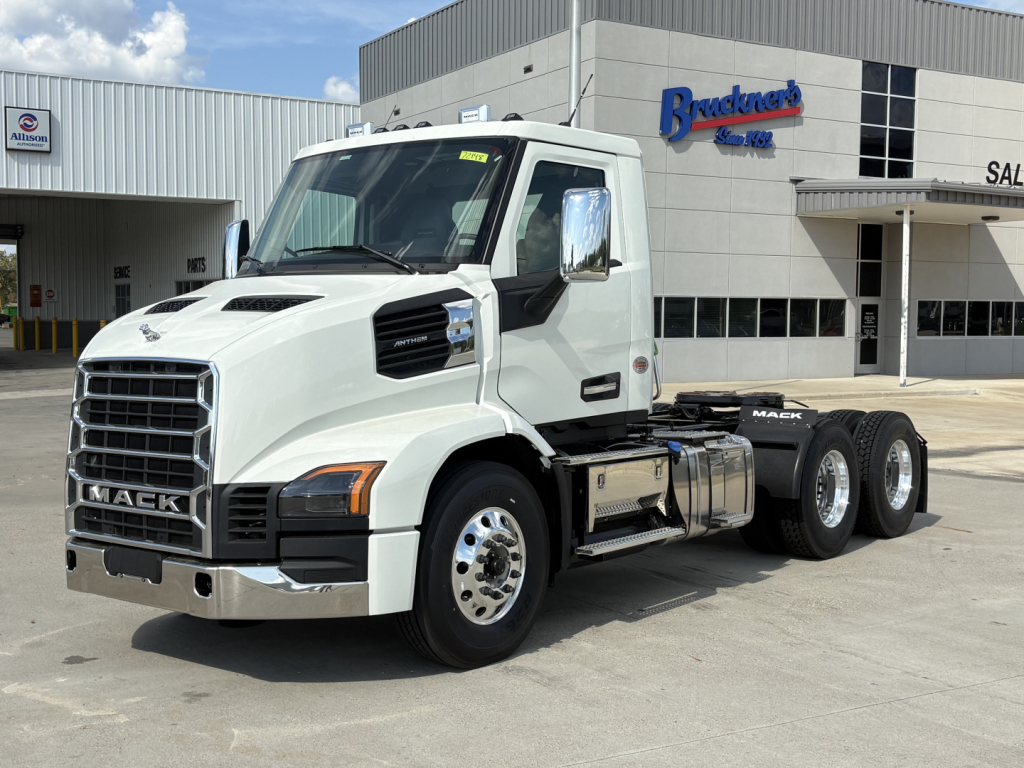

Have commercial truck to sell? List it here to reach thousands of buyers.
Commercial Trucks Near Van Buren, Arkansas
Floor strength is a key differentiator on box and platform bodies. For dry freight straight trucks, look for laminated hardwood or apitong floors with tight crossmember spacing, 12 inch centers or closer, and forklift ratings of 18,000 to 24,000 pounds at the rear threshold. Aluminum plank floors cut tare weight and resist corrosion, but hardwood absorbs shock better over rough docks, a common trade off. High wear areas benefit from 12 to 24 inch scuff liners, logistic track, and steel or aluminum threshold plates that spread point loads. On flatbeds, aluminum decks reduce weight and corrosion, while steel or composite apitong decks deliver higher puncture resistance when loading steel coil or machinery.
Thermal integrity matters on reefer straight trucks and insulated box trucks in Arkansas summer heat. Efficient bodies use foam in place polyurethane insulation with consistent thickness through walls, roof, and floor, minimal thermal bridging at pillars, and tight door seals with multi lip gaskets. Smooth interior liners, like glassboard or aluminum, clean easily and resist odor retention, while heavy duty rear frames and insulated side doors limit heat gain during frequent stops. Match the refrigeration unit’s BTU capacity and airflow pattern to your route profile, choose standby power if overnight cold holding is required, and verify drain design so washouts do not compromise subfloor insulation over time. Extra insulation raises tare weight, so pair it with lightweight wheels and tanks to keep payload on target.
Corrosion resistance preserves structure and resale in a humid climate with occasional brine on interstates. Favor e coated or epoxy primed frames, sealed wiring harnesses with heat shrink connectors, stainless or galvanized hardware, and composite bushings at high splash zones. Aluminum cabs, tanks, crossmembers, and wheels shed weight and resist rust, and powder coated dump or service bodies stand up to abrasives better than simple wet paint. Air ride suspensions protect cargo and floor integrity on highway routes, while multi leaf springs with a lift axle suit dump and forestry work. Tire pressure monitoring or inflation systems maintain even wear and reduce rolling resistance, and choices like disc brakes, wide base singles, and APUs or battery HVAC further trim tare and idle time without sacrificing uptime.
Frequently Asked Questions about Commercial Trucks Near Van Buren, Arkansas
How do I evaluate floor strength on a box or flatbed truck?
Start with the floor material, crossmember spacing, and a stated forklift or pallet jack rating at the rear threshold. Laminated hardwood or apitong over close crossmember spacing handles heavy point loads well, while aluminum plank floors save weight and resist corrosion. Reinforced rear thresholds, scuff liners at least 12 inches tall, and logistic tracks reduce impact damage during dock work. For flatbeds, aluminum decks cut tare weight, but steel or apitong surfaces handle concentrated loads and chain binder abrasion better.
What defines good thermal integrity on a reefer straight truck in Arkansas heat?
Look for continuous foam in place insulation with uniform thickness across walls, roof, and floor, minimal thermal bridging at posts, and tight multi lip door gaskets. A well sealed rear frame, quality hinges and latches, and insulated side doors limit heat gain during frequent stops. Match the refrigeration unit to your route and temperature setpoints, confirm rapid pull down capability, and consider electric standby for overnight holding. Smooth interior liners and proper floor drains preserve hygiene without wicking moisture into the subfloor.
How much does tare weight influence payload and operating cost?
Every 500 to 1,000 pounds of tare reduction often translates to more legal payload, faster acceleration, and better fuel economy. Savings come from aluminum wheels and tanks, high strength 120 ksi frame rails that allow optimized thickness, aluminum crossmembers, and lightweight bodies. Balance those gains with durability needs like thicker floors at dock impact zones or spring suspensions for off road work. Verify final curb weight on a certified scale and confirm axle ratings and spacing meet Arkansas bridge and 80,000 pound interstate limits.
What corrosion protection features should I prioritize for work around Van Buren?
Choose frames with e coat or epoxy primers, sealed electrical harnesses with weather resistant connectors, and stainless or galvanized fasteners in high splash areas. Aluminum cabs, decks, and crossmembers resist rust, and powder coated or galvanized bodies outlast wet paint in humid conditions. Specify underbody protection around battery boxes and air tanks, keep drain paths open, and schedule regular washdowns after brine exposure along I 40 to protect the subframe and brake hardware.
Which axle and suspension setups suit regional haul versus vocational work near the Ozarks?
For highway and regional haul, a 6x4 or efficient 6x2 with air ride improves ride quality and protects freight, paired with rear axle ratios that keep the engine in its torque band at cruise. For dumps, logging, and jobsite access, a 6x4 with multi leaf or heavy duty air ride plus an optional lift axle adds legal payload and stability on soft ground. Verify wheelbase for turning at city docks, match fifth wheel or body placement to maintain axle weights, and use tire pressure monitoring to protect casings on mixed terrain.