
Commercial Trucks For Sale Near Valrico, Florida

Have commercial truck to sell? List it here to reach thousands of buyers.
Commercial Trucks Near Valrico, Florida
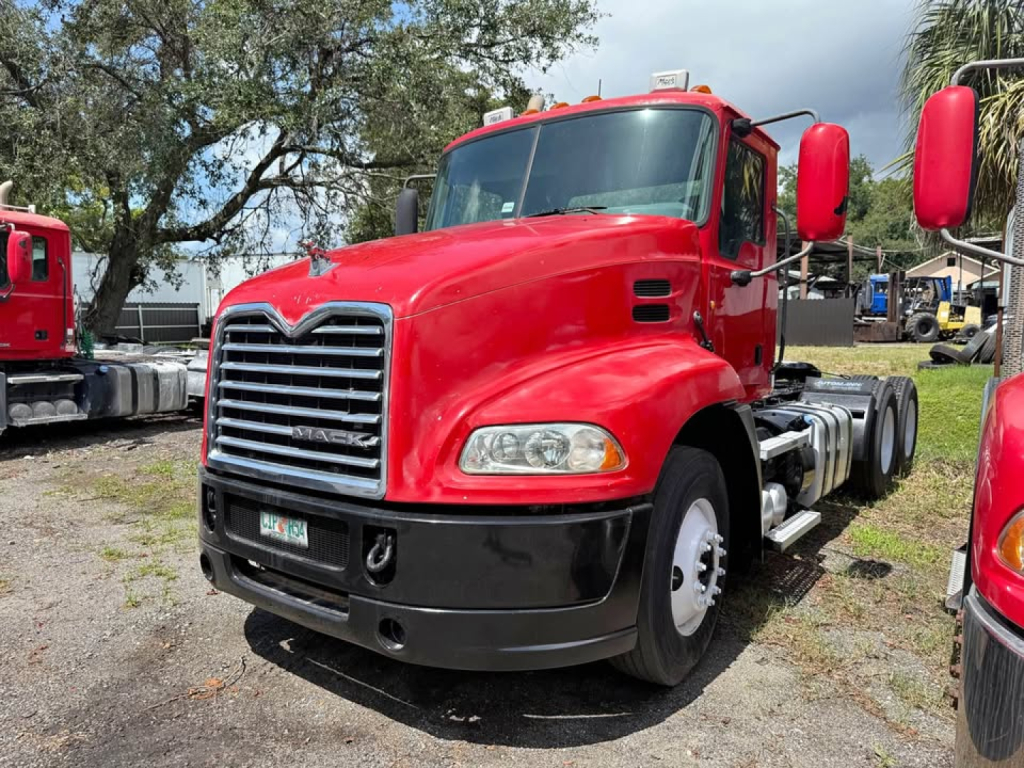
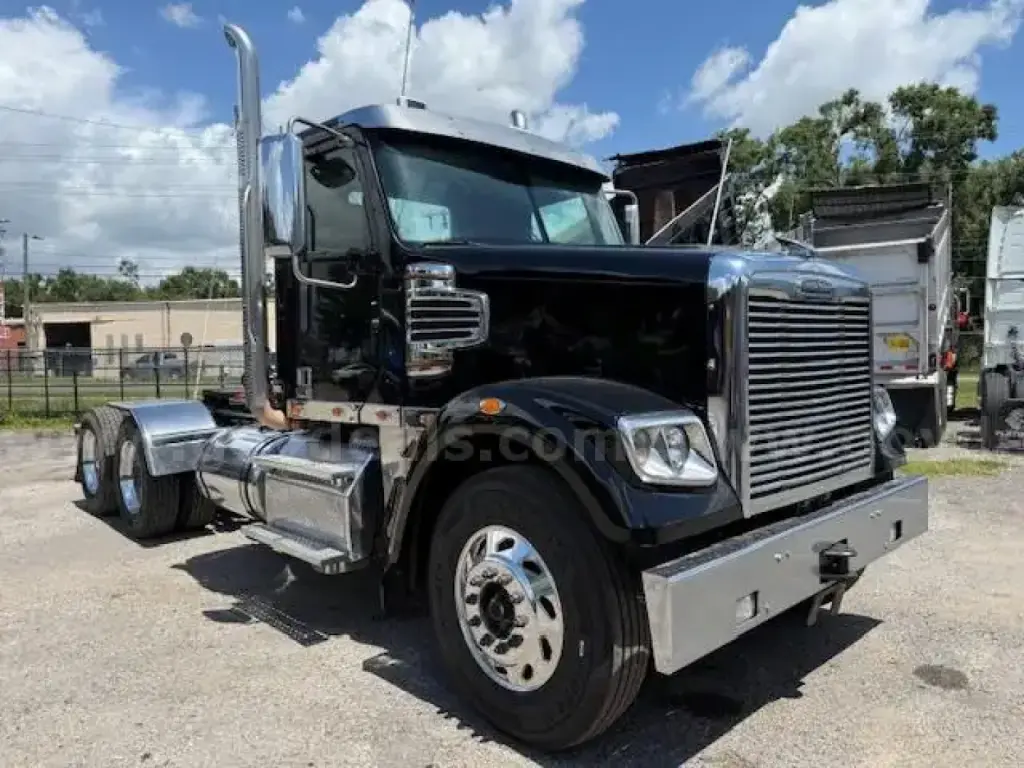
For tractor buyers, common choices include tandem axle day cabs and heavy spec conventional trucks with engines in the 400 to 500-plus horsepower range, manual, automated manual, or fully automatic transmissions, and wheelbases set up for specific trailer lengths or vocational equipment. Heavy haul applications often call for higher front axle ratings, double frame construction, locking differentials, and gearing selected for low-speed pulling power rather than highway fuel economy. If the truck will run dumps, lowboys, detachable goosenecks, or other hydraulic trailers, check for an installed wet line kit, PTO compatibility, and the condition of the suspension, driveline, and brakes.
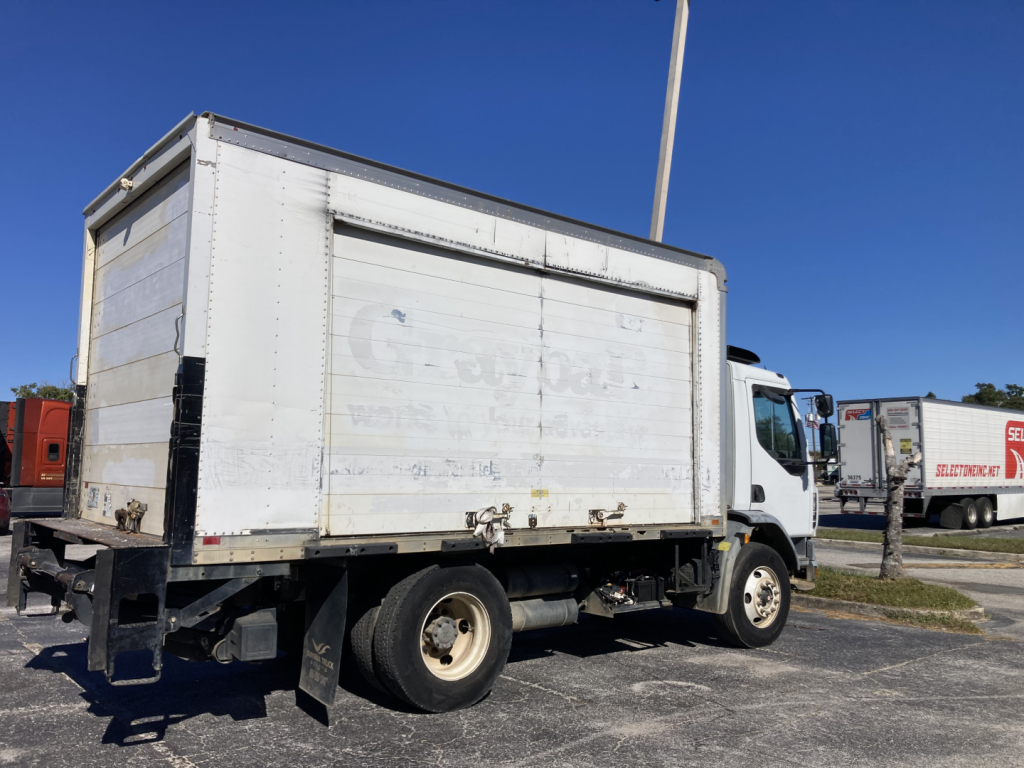
Vocational truck buyers should pay close attention to body and chassis integration. On dump trucks, front and rear axle ratings, frame condition, hoist setup, bed material, and transmission choice matter as much as engine make. Automatic transmissions are common in stop-and-go or construction service, while manual and automated manual setups remain popular where driver preference and serviceability are priorities. On cabover trucks and medium-duty platforms, turning radius, cab access, box or flatbed condition, liftgate capacity, and emissions system history can be just as important as mileage. In Florida, cooling system condition, air conditioning performance, and corrosion exposure are practical inspection points, especially on older vocational units.
Across this category, buyers should compare service records, engine hours versus odometer miles, tire condition, brake life, and signs of frame repair or structural damage. Engine families from PACCAR, Cummins, Caterpillar, and similar heavy-duty platforms each have their own maintenance patterns, so it helps to match the truck to available local service support and parts familiarity. A truck that looks similar on paper can perform very differently depending on axle ratings, suspension, gearing, and prior application. The best value usually comes from a truck spec'd for the work rather than a truck that needs major changes after purchase.
Frequently Asked Questions about Commercial Trucks Near Valrico, Florida
What should I look at first when comparing trucks for sale?
Start with the truck’s intended application, then verify the core chassis specs that support that job. Axle configuration, GVWR or axle ratings, wheelbase, engine horsepower and torque, transmission type, suspension, and PTO or hydraulic provisions are the foundation. After that, review mileage, engine hours, service history, brake and tire condition, and any signs of frame damage or prior vocational stress. A truck that matches the job on paper will usually cost less to own than one that needs major rework.
How do I choose between a day cab, heavy haul truck, dump truck, and cabover?
The route, trailer or body, and load profile should drive the choice. Day cabs are common for local and regional tractor work where a sleeper is unnecessary. Heavy haul trucks are built for high axle loads, stronger frames, and low-speed pulling applications. Dump trucks are designed for aggregate, asphalt, debris, and construction material handling, with attention paid to hoist systems and body durability. Cabovers are often chosen where maneuverability, shorter overall length, and tight delivery environments matter most.
Is mileage the most important factor on a used commercial truck?
Mileage matters, but it is not the only measure of value or wear. Engine hours, idle time, maintenance history, transmission type, prior application, and overall chassis condition can be just as important. A lower-mile truck used in severe stop-and-go or off-road service may show more wear than a higher-mile truck that ran consistent highway routes. Always compare mileage with engine hours, driveline condition, brake wear, suspension wear, and the truck’s maintenance records.
What specs matter most for a heavy-duty work truck in Florida?
Cooling performance, air conditioning operation, emissions system condition, and overall durability in heat and humidity are high priorities in Florida. Buyers should also inspect tires, brake components, and any corrosion on the frame, body mounts, wiring, and hydraulic components. If the truck will work in construction, aggregate, or municipal service, axle ratings, suspension type, and body or trailer compatibility are just as critical as engine horsepower. Florida buyers often place extra value on trucks that are already set up for vocational use with the right PTO, wet line, or body equipment.
When is an automatic or automated transmission a better choice than a manual?
Automatic transmissions are often preferred in dump, refuse, delivery, and other stop-and-go operations where ease of use and reduced driver fatigue matter. Automated manuals are common in linehaul and regional tractor applications because they can improve consistency and are familiar to fleets managing driver turnover. Manual transmissions still have a place in specialized work where the operator wants direct control, especially in certain off-road or heavy haul environments. The right choice depends on driver experience, terrain, maintenance support, and the truck’s daily duty cycle.