
Used Vacuum Trucks For Sale in Texas
Browse used vacuum trucks for sale in Texas, including septic, sewer, and hydro excavation units with key specs buyers compare most.
Learn more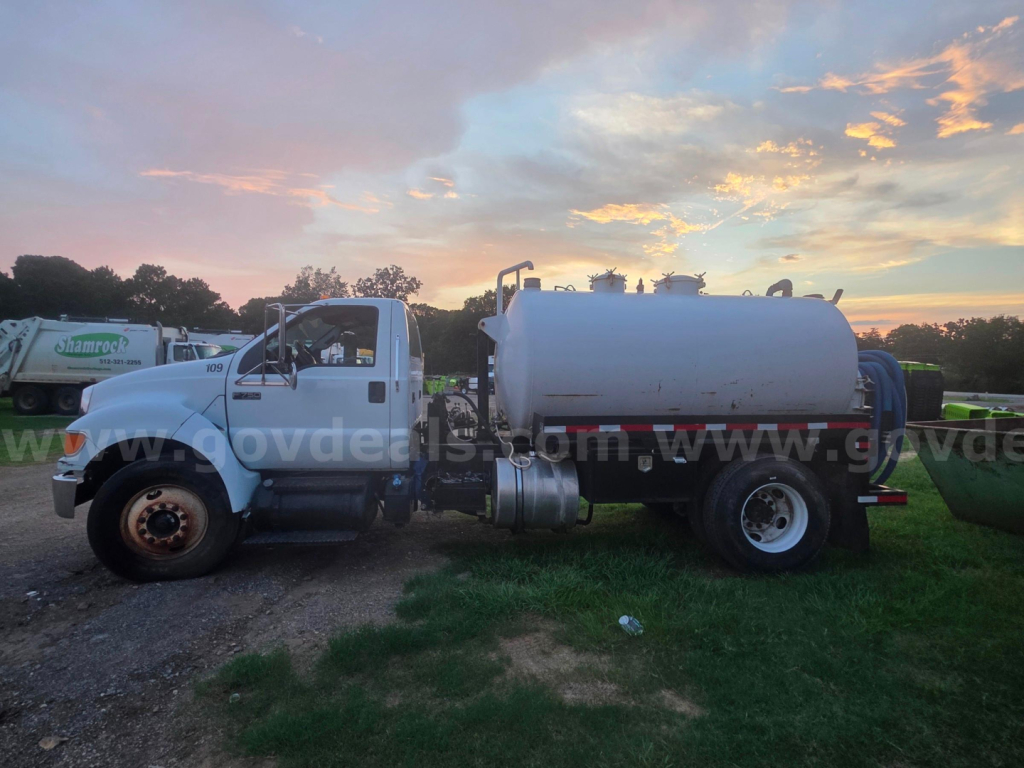

Have used vacuum truck to sell? List it here to reach thousands of buyers.
About Used Vacuum Trucks in Texas
Tank size, water capacity, and pump performance matter more than the badge on the hood. Common used vacuum truck setups range from smaller 1,000 to 1,500 gallon septic bodies on medium-duty chassis up to larger combination machines with debris bodies, fresh water tanks, hose reels, hydraulic booms, and rear door cleanout systems. Positive displacement blowers from brands like Roots are common on sewer and industrial units, while water systems are often rated by GPM and PSI for jetting performance. A buyer comparing used units should confirm debris tank material, vacuum relief protection, boom rotation, hose reel capacity, and whether the truck is set up for dry material, slurry, or liquid waste only.
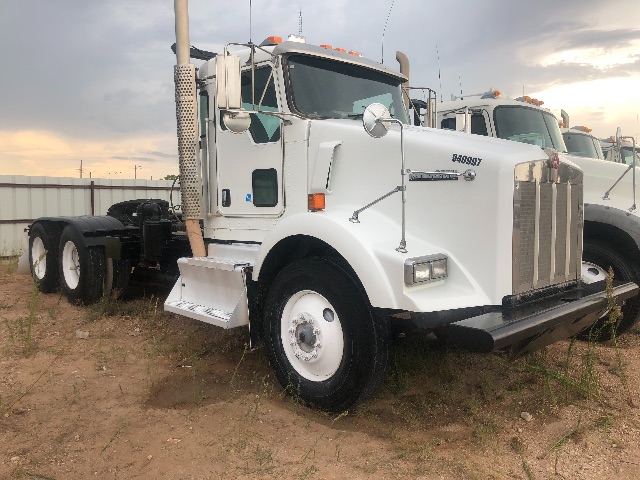
Chassis spec is still critical because vacuum trucks are heavy and spend a lot of time in stop-and-go service. In the Texas market, medium-duty and severe-duty platforms such as Freightliner M2 and 108SD, Ford F-750, Kenworth T800, and similar vocational chassis are common. Pay close attention to axle ratings, suspension type, wheelbase, PTO setup, transmission choice, and engine emissions equipment history. On used trucks, service records for the blower, pump, hydraulics, and tank seals are just as important as engine mileage. Corrosion inside the tank, rear door sealing surfaces, worn valves, and evidence of water pump cavitation can turn a seemingly clean truck into an expensive reconditioning project.
The right used vacuum truck depends on route density, waste stream, and disposal method. A septic operator may prioritize a simpler tank, reliable vacuum pump performance, and manageable overall length for residential access. A sewer contractor or municipality may need a combination machine with a rodder pump, extendable boom, remote controls, water filtration, and enough payload to stay productive between dumps and refills. For hydro excavation in Texas, buyers often focus on water pressure, boom reach, spoil capacity, and how well the chassis handles off-pavement job sites. The best value usually comes from matching the truck’s system design and remaining component life to the exact work it will perform, not just buying the largest tank or newest chassis.
Frequently Asked Questions
What is the difference between a vacuum truck and a combination sewer cleaner?
A vacuum truck is primarily designed to suction and haul liquids, sludge, or septage into a tank. A combination sewer cleaner adds a high-pressure water jetting system so the operator can break up blockages and clean sewer lines before vacuuming the debris. For septic pumping and general liquid waste service, a straight vacuum truck is often sufficient. For municipal sewer maintenance and catch basin cleaning, a combination machine is usually the better fit.
What should I inspect first on a used vacuum truck?
Start with the tank, blower or vacuum pump, water pump if equipped, and the hydraulic system. Check for tank corrosion, patched metal, worn rear door seals, valve leakage, and any signs that the vacuum relief system has been neglected. Verify blower hours if available, inspect hoses and hose reels, and confirm the PTO engages cleanly under load. Chassis mileage matters, but the condition of the vacuum system usually has a bigger impact on near-term operating cost.
Are vacuum trucks in Texas commonly used for septic or hydro excavation work?
Both are common, but the truck setup is different for each application. Septic trucks typically use simpler waste tanks with fresh water capacity for washdown and routine service access. Hydro excavation units need a pressure water system, boom, hose management, and debris storage designed for digging and spoil removal. In Texas, buyers also see vacuum trucks used in municipal sewer work, industrial cleanup, and oilfield-related service, so application match is important before comparing price alone.
How do I choose the right tank size on a used vacuum truck?
Tank size should be based on payload, route length, disposal access, and the material being collected. A smaller tank can be more maneuverable in residential or urban work and may avoid carrying unnecessary weight. A larger tank can improve productivity on long rural routes or municipal jobs, but it also puts more demand on axle capacity, braking, and chassis durability. Always compare legal GVWR, axle ratings, and usable payload rather than tank gallons alone.
What chassis are most common for used vacuum trucks?
Common chassis in this category include Ford F-750, Freightliner M2 and 108SD, Kenworth T800, Peterbilt vocational models, and other medium-duty to heavy-duty truck platforms. The right chassis depends on tank size, expected payload, and terrain. For lighter septic service, a medium-duty truck may be ideal. For large combination sewer cleaners, industrial vacuum work, or off-road conditions, buyers often move to severe-duty heavy truck chassis with stronger frames, higher axle ratings, and more robust suspension components.