
Used 2017 Vacuum Trucks For Sale
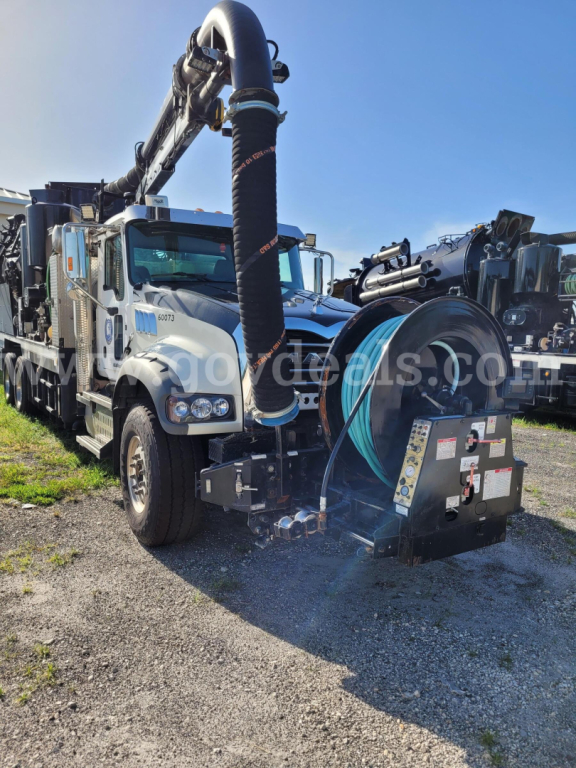
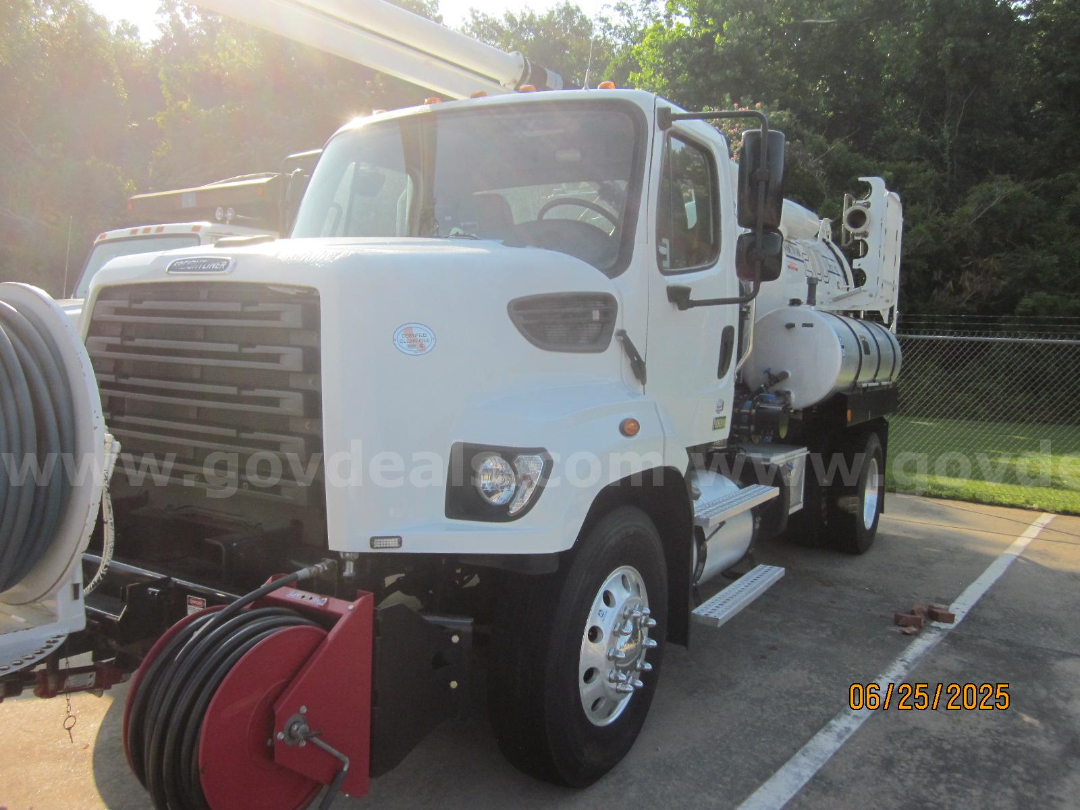
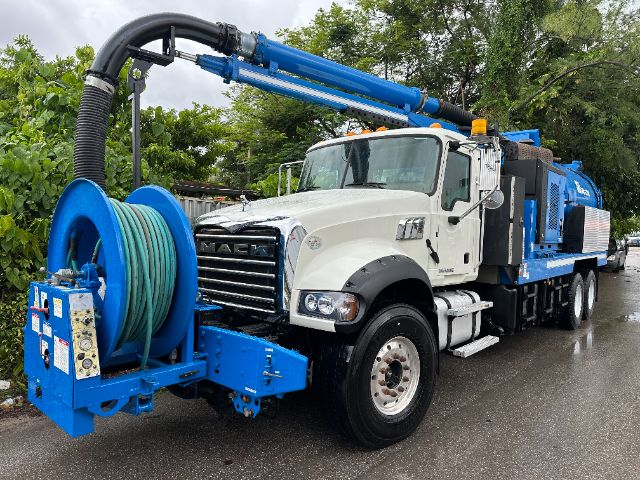
Have used 2017 vacuum truck to sell? List it here to reach thousands of buyers.
Used 2017 Vacuum Trucks
The first buying decision is usually the body style. A true hydrovac is built for non-destructive digging with a water system and vacuum recovery, while a vacuum jetter combo truck is configured for sewer line cleaning and debris removal. On 2017 models, combo units commonly carry 5 to 12 yard debris bodies with fresh water capacities around 850 to 1,300 gallons. Buyers will also see fan systems and positive displacement blowers, and the right choice depends on application. Fan units are typically lighter and faster for excavation work, while PD blowers are often preferred when longer hose runs or deeper pulls are part of the job.
Body equipment deserves as much scrutiny as the chassis. Common specs in this class include hydraulic hose reels, hydraulic dump bodies, rear-opening or full-opening doors, debris tanks, and jetting systems rated around 50 to 80 GPM at roughly 2,500 to 3,000 PSI. Many 2017 units also use a pony motor to power the vacuum and water system independently of the chassis engine. On a used truck, hours on the blower, pump, and pony motor can matter as much as miles on the cab and frame. Service records for the pump, boom, reel, valves, filtration system, and tank seals should carry real weight in the buying process.
A 2017 used vacuum truck should also be evaluated for axle ratings, legal payload, and the condition of the suspension, brakes, and tires, especially on ex-municipal units that may have low miles but high idle time and frequent PTO use. Check for corrosion in the debris body, water tank, and plumbing, plus wear in the boom pivots, hose reel hydraulics, and door locks. If the truck will work in urban utility contracting, municipal sewer maintenance, or industrial cleanup, the best unit is usually the one with the right vacuum system, water capacity, and service history for the job, not simply the newest chassis or highest advertised tank size.
Frequently Asked Questions about Used 2017 Vacuum Trucks
What is the difference between a hydrovac truck and a vacuum jetter combo truck?
A hydrovac truck is designed primarily for hydro excavation, using pressurized water to loosen soil and a vacuum system to recover slurry. A vacuum jetter combo truck is built mainly for sewer cleaning and line maintenance, combining vacuum recovery with a high-pressure water jetting system. Some trucks can perform overlapping tasks, but the tank layout, hose system, blower or fan configuration, and pump ratings usually make one style better suited for excavation and the other better for pipeline cleaning.
What should I check first on a used 2017 vacuum truck?
Start with the application-critical components, not just the chassis mileage. Review hours on the vacuum system, water pump, and pony motor if equipped. Inspect the debris body, water tank, boom structure, hose reels, hydraulic functions, rear door seals, and filtration system. Then confirm engine, transmission, axle ratings, brake condition, tire wear, and PTO operation. A clean service history on the body and vacuum components is often more important than a low odometer reading on a vocational truck.
Are 2017 vacuum trucks commonly available with automatic transmissions?
Yes. Many 2017 vacuum trucks were spec'd with automatic transmissions because they spend so much time in stop-and-go service, municipal work, and PTO-based operation. Automatic transmissions can improve ease of use, reduce driver fatigue, and suit operators who rotate between sewer cleaning, excavation, and transport tasks. Buyers should still confirm transmission model, service intervals, and how well it performs under loaded vocational use.
What tank sizes and water capacities are common on 2017 vacuum trucks?
In this model year, buyers will commonly find debris bodies from about 5 to 12 cubic yards, depending on whether the truck is set up as a compact municipal combo unit or a larger sewer-cleaning platform. Fresh water capacity often falls between roughly 850 and 1,300 gallons on many combo trucks, though configurations vary by manufacturer and intended use. The right size depends on route density, disposal access, jobsite space, and local weight regulations.
Why do ex-municipal vacuum trucks attract so much buyer interest?
Ex-municipal vacuum trucks often appeal to buyers because they may have structured maintenance histories, consistent fleet servicing, and vocational specs suited to sewer and utility work. At the same time, they need careful inspection because municipal duty cycles can include high idle hours, repeated PTO engagement, short-trip operation, and seasonal corrosion exposure. A strong maintenance file and a detailed inspection of the body system help separate a well-kept ex-municipal truck from one with expensive deferred repairs.