
Used 2007 Vacuum Trucks For Sale
Shop used 2007 vacuum trucks for sewer cleaning, hydro excavation, and industrial cleanup. Compare tank size, blower, pump, chassis, and hours.
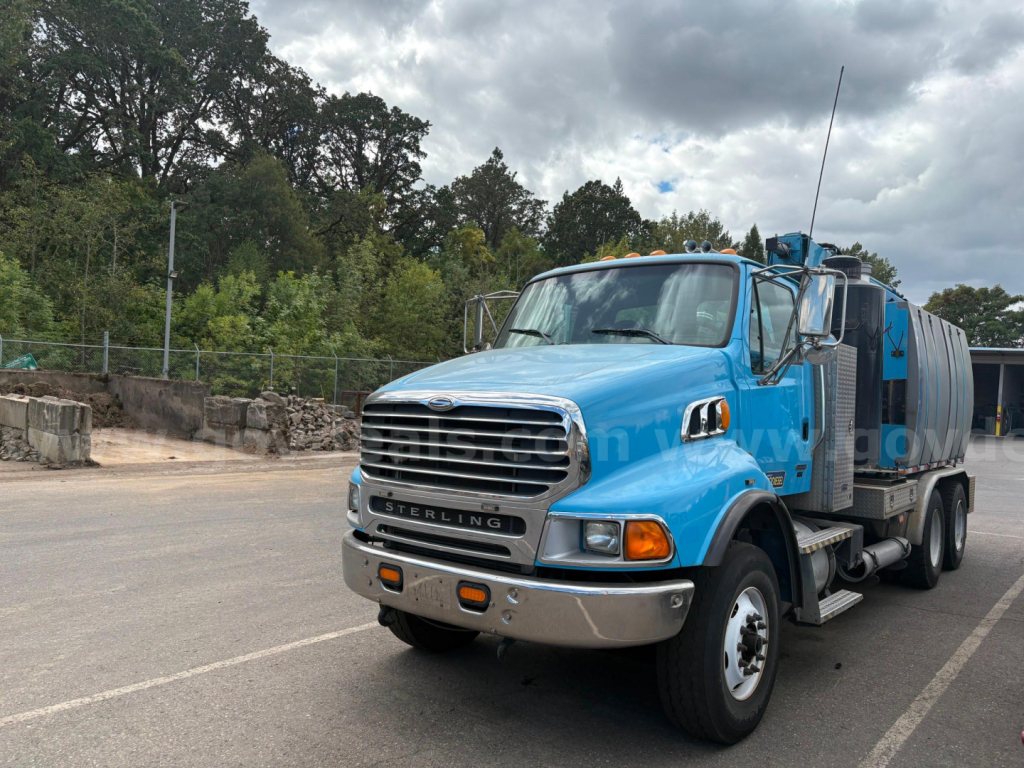
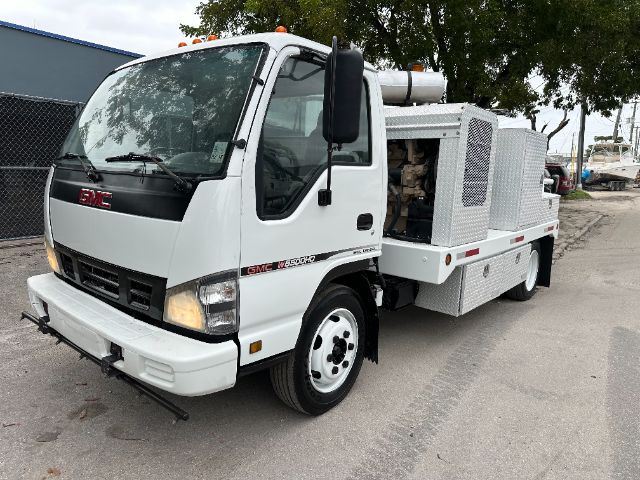

Have used 2007 vacuum truck to sell? List it here to reach thousands of buyers.
Used 2007 Vacuum Trucks
For 2007 model year units, expect a wide spread in specifications. Many combo sewer cleaners carry around a 10 to 12 yard debris tank with roughly 800 to 1,500 gallons of fresh water, paired with a high-pressure water pump rated by GPM and PSI. Positive displacement blowers and tri-lobe or Roots-style systems are common, while some units use fan systems depending on the intended work. If the truck will handle municipal sewer cleaning, jetting performance, hose reel condition, rear door seals, boom operation, and water pump output deserve close attention. If the application is hydro excavation, buyers should focus on vacuum recovery speed, filtration, spoils tank condition, winterization features, and whether the unit is configured for potholing or slot trench work.
The 2007 emissions year is important because many buyers specifically target pre-DPF vacuum trucks to avoid later aftertreatment complexity. That can simplify maintenance, but age shifts the inspection focus toward wear items and service history. Check PTO engagement, hydraulic leaks, blower hours, pump rebuild records, tank corrosion, subframe condition, and evidence of cracking around mounts, door hinges, or boom supports. Ex-municipal trucks are common in this segment and can be attractive because they may have documented maintenance, but idle time, seasonal use, and operator turnover should still be considered. A clean inspection should include the chassis engine and transmission, plus the entire vacuum package, hose reels, controls, safety interlocks, and dump functions.
Buyers comparing used 2007 vacuum trucks should match the truck to the jobsite first, then the spec sheet. A lighter single-axle unit may suit tighter urban work, while tandem-axle trucks with 66,000 lb GVWR ratings are more typical for full-size sewer and industrial applications. Suspension, wheelbase, and axle rating affect body capacity and legal payload, especially when hauling wet debris. Parts support also matters on older units, so it helps to confirm availability for the blower, water pump, valves, filtration components, and body controls before purchase. A well-kept 2007 vacuum truck can still perform reliably in municipal, utility, environmental, and contractor fleets when the body system is sound and the service records back it up.
Frequently Asked Questions about Used 2007 Vacuum Trucks
What should I inspect first on a used 2007 vacuum truck?
Start with the vacuum body and auxiliary systems, not just the cab and engine. The most important checks are debris tank condition, rear door seals and locks, blower performance, water pump output, PTO engagement, hydraulic function, hose reel operation, and any cracks or corrosion in the tank, boom mounts, or subframe. On a 2007 unit, hours on the vacuum system can tell more than miles on the chassis, especially for ex-municipal trucks that may have spent long periods operating at low road mileage.
Are 2007 vacuum trucks pre-emissions or pre-DPF?
Many 2007 vacuum trucks are sought after because they may fall into the pre-DPF range, depending on exact build date, engine make, and emissions certification. That can reduce aftertreatment-related maintenance compared with newer trucks, but buyers should verify the engine family and compliance label rather than assuming every 2007 truck is configured the same way. Even when emissions equipment is simpler, age-related maintenance on the chassis and vacuum package becomes the bigger ownership factor.
What tank size and water capacity are common on a 2007 vacuum truck?
A common setup for sewer jetter-vac combo trucks in this age range is a 10 to 12 yard debris tank with about 800 to 1,500 gallons of fresh water. Industrial vacuum trucks and hydro excavation units may vary depending on application, chassis rating, and body manufacturer. The right size depends on disposal distance, payload needs, and whether the truck is expected to do continuous sewer cleaning, utility daylighting, catch basin work, or plant cleanup.
Is mileage or equipment hours more important on an older vacuum truck?
Both matter, but equipment hours are often more important on a vacuum truck because the blower, pump, hydraulics, and PTO-driven systems do the revenue-producing work. A truck with relatively low miles can still have heavy auxiliary wear if it spent years in municipal service running reels, pumps, and blowers for long shifts. The best buying decision comes from comparing miles, engine hours if available, blower hours, pump service records, and overall condition of the body system together.
What are used 2007 vacuum trucks typically used for?
Used 2007 vacuum trucks are commonly used for sewer line cleaning, storm drain maintenance, catch basin cleaning, hydro excavation, utility potholing, environmental cleanup, and industrial vacuum work. Some are combination jetter-vac trucks designed for municipal sewer departments, while others are configured more for excavation or dry material recovery. The intended use should drive the buying decision because blower type, water system capacity, filtration, hose setup, and tank design vary significantly by application.