
Vacuum Trucks For Sale in Texas
Browse vacuum trucks for sale in Texas, including sewer cleaners, hydro excavators, and industrial vac units with key specs buyers compare.
Learn more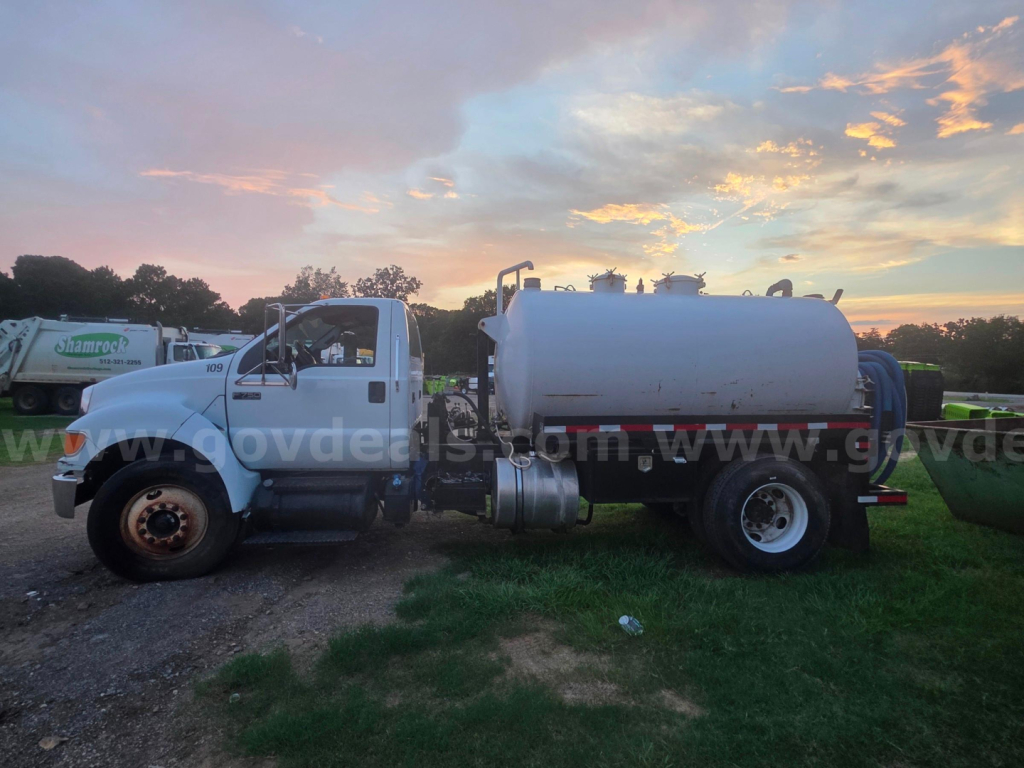

Have vacuum truck to sell? List it here to reach thousands of buyers.
About Vacuum Trucks in Texas
Tank size, water volume, and blower performance drive productivity. Buyers usually compare debris tank capacity in cubic yards or gallons, fresh water capacity, water pump output in GPM and PSI, and vacuum ratings in CFM or inches of mercury. A municipal-style combination unit may carry a few yards of debris and several hundred gallons of water, while heavier industrial vacuum trucks can be spec'd for much larger payloads and tandem axle chassis. In Texas, long travel distances, hot weather, and mixed jobsite conditions also make cooling capacity, PTO or auxiliary engine setup, hydraulic system condition, and service access worth close attention. Boom reach, hose reel capacity, rear door design, and dump angle all affect cycle time on the job.
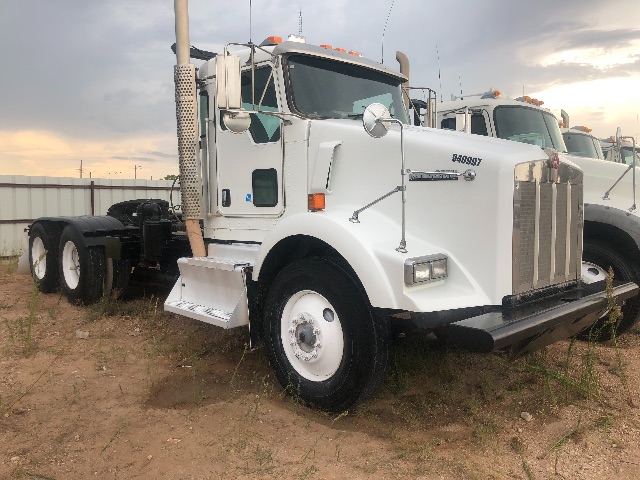
Chassis choice matters because vacuum trucks are body-heavy and application-specific. Common platforms include Freightliner, Kenworth, Peterbilt, Mack, and International, typically in severe-duty configurations with single or tandem axles depending on legal payload and off-road use. Double-frame rails, heavy front axle ratings, vocational suspensions, and transmission specs should match the weight of the vacuum package when full, not empty. For sewer and utility work, operators often value maneuverability and visibility in tighter urban settings. For oilfield or industrial service in Texas, buyers may lean toward larger tandem axle trucks with higher horsepower, locking rears, and more robust PTO or hydraulic arrangements for sustained operation.
Condition should be evaluated beyond engine miles. On a vacuum truck, the expensive components are often the blower, pump, tanks, boom structure, hose reels, valves, seals, filtration, and hydraulic controls. Check for corrosion in the debris body, signs of tank patchwork, rear door sealing issues, water pump wear, blower oil contamination, and play in the boom pivot. Service records are especially valuable on units from municipal fleets and contractors with documented maintenance programs. A well-kept vacuum truck can be a strong revenue unit, but the right spec depends on whether the work is sewer jetting, hydro excavation, liquid waste pickup, or heavy industrial vacuum service.
Frequently Asked Questions
What is the difference between a combination sewer cleaner and a standard vacuum truck?
A combination sewer cleaner is a vacuum truck equipped with both a vacuum recovery system and a high-pressure water jetting system. That setup allows the operator to break up debris in sewer lines or catch basins and then vacuum it into the debris tank. A standard vacuum truck may focus more on liquid, sludge, dry material, or industrial waste pickup and may not include the same jetting capability, hose reel configuration, or water pump output needed for sewer cleaning.
What specs matter most when buying a vacuum truck?
The most important specs depend on the work, but buyers typically compare debris tank capacity, fresh water capacity, blower type and vacuum rating, water pump GPM and PSI, boom reach, hose reel capacity, axle configuration, and GVWR. Chassis ratings are critical because these trucks get heavy quickly when tanks are full. For hydro excavation and sewer work, water system performance and boom usability are often just as important as engine and transmission specs.
Are single axle or tandem axle vacuum trucks better in Texas?
Single axle vacuum trucks can make sense for municipal work, tighter streets, and lighter payload requirements because they are easier to maneuver and may have lower operating costs. Tandem axle vacuum trucks are often better for oilfield, industrial, and higher-volume applications where legal payload, tank capacity, and durability under severe use matter more. In Texas, the right choice often comes down to travel distance, road conditions, bridge laws, and whether the truck will spend more time in town or on demanding jobsites.
What should I inspect on a used vacuum truck before buying?
Pay close attention to the blower, water pump, hydraulic system, boom, rear door, valves, hoses, and tank condition. Look for corrosion, weld repairs, leaking seals, weak vacuum performance, excessive pump wear, and any signs the debris body has been overstressed. Also confirm that the chassis axle ratings and frame spec are appropriate for the mounted equipment. Maintenance history is important because a vacuum truck's value is tied as much to the condition of the vocational package as to the cab and drivetrain.
Can a vacuum truck be used for hydro excavation?
Yes, but only if it is configured for that purpose. Hydro excavation requires a water system capable of cutting soil effectively, along with a vacuum system, boom arrangement, and spoil tank suited for excavation slurry. Some combination sewer cleaners include hydro excavation kits, while other units are purpose-built hydro vac trucks. If utility daylighting or potholing is the main job, buyers should confirm nozzle setup, reel capacity, water pressure, filtration, and boom controls instead of assuming every vacuum truck is equally suited for excavation work.