
Peterbilt Vacuum Trucks For Sale
Shop Peterbilt vacuum trucks for sewer cleaning, hydro excavation, and industrial cleanup with key specs on tanks, blowers, jetters, and GVWR.
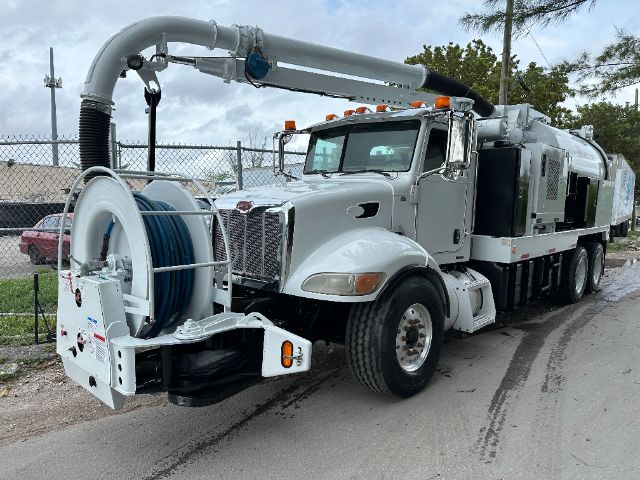
Selling a peterbilt vacuum truck? List your peterbilt vacuum truck for sale and reach thousands of commercial buyers.
Peterbilt Vacuum Trucks
The first buying decision is application. A straight vacuum truck for wet and dry material recovery is different from a combo truck set up for sewer jetting. Combo units often include a freshwater tank, high-pressure water pump, hose reel, and rear hydraulic door in addition to the debris body and vacuum producer. Common specs to compare include debris tank capacity, freshwater gallons, blower or fan type, filtration design, dumping method, and operating pressure and flow on the jetter side. A 12-yard debris body with 1,000 gallons of water is a practical municipal configuration, but the right size depends on route density, disposal access, and axle capacity. Buyers should also confirm whether the vacuum system uses a positive displacement blower or a fan system, since that affects excavation depth, loading speed, maintenance profile, and the type of material the truck handles best.
On the chassis side, pay close attention to GVWR, axle ratings, wheelbase, transmission choice, and engine family. Peterbilt vacuum trucks are often spec'd with automatic transmissions for stop-and-go municipal work and easier operator training. Front axle capacity and bridge spacing matter if the truck will regularly run with a full debris body and freshwater load. Maneuverability is another major factor. Shorter wheelbase trucks work better in urban alleys, treatment plants, and residential utility work, while longer chassis may support larger body packages and more stable weight distribution. If the truck is an ex-municipal unit, review idle hours, PTO hours, maintenance records, and corrosion around the tank cradle, rear door, subframe, and plumbing. On vacuum trucks, hours and pump history can be as important as mileage.
A strong used Peterbilt vacuum truck should be evaluated as a system, not just as a truck with a tank. Inspect the boom, hose reel, seals, hydraulic locks, rear door closure, filtration components, pressure system, and safety shutdowns. Verify the body manufacturer, serial plate, and replacement parts availability. Look for evidence of regular cleanout and proper operation of the dump body, cyclone separator, and water pump if equipped. Tire condition, brake life, and suspension wear still matter, but downtime usually comes from the vacuum package, hydraulics, or controls. Buyers comparing Peterbilt vacuum trucks for sale typically get the best long-term value by matching tank size, jetting output, and chassis capacity to the exact duty cycle instead of buying only on miles or price.
Frequently Asked Questions about Peterbilt Vacuum Trucks
What should I look for first when buying a used Peterbilt vacuum truck?
Start with the application and the vacuum body specifications before focusing on mileage. A buyer should confirm debris tank capacity, freshwater capacity if it is a combo unit, blower or fan type, jetter pump output, hydraulic functions, and GVWR. After that, review chassis hours, PTO hours, axle ratings, and maintenance records. On vacuum trucks, condition of the vacuum system, rear door seals, hoses, filtration, and pump or blower history often tells you more about future repair costs than odometer readings alone.
What is the difference between a Peterbilt vacuum truck and a Peterbilt combo vacuum jetter truck?
A standard vacuum truck is designed primarily to recover liquid, sludge, slurry, or dry material through suction. A combo vacuum jetter truck adds a high-pressure water system for cleaning sewer lines and breaking up material before vacuum recovery. Combo units usually include a freshwater tank, water pump, hose reel, and jetting controls in addition to the debris body. That makes them more versatile for municipal sewer maintenance, but also adds more components to inspect and maintain.
Are ex-municipal Peterbilt vacuum trucks a good buy?
They can be, especially if the fleet followed a documented preventive maintenance schedule. Municipal trucks are often serviced on schedule and operated by trained personnel, but they may also accumulate high idle time, PTO hours, and corrosion from wet service. Buyers should inspect the subframe, tank mounts, rear door, hydraulic cylinders, plumbing, and electrical controls closely. A clean ex-municipal unit with strong service records can offer solid value, but hours and vacuum package condition need to be weighed carefully.
Which chassis specs matter most on a Peterbilt vacuum truck?
GVWR, axle ratings, wheelbase, transmission type, and engine family are the main chassis specs to review. These trucks carry heavy, shifting loads, so legal payload and axle balance are critical. Wheelbase affects turning radius and how the body package fits, while an automatic transmission is common for stop-and-go vocational work. Buyers should also verify PTO compatibility, suspension condition, tire capacity, and front axle loading, especially on trucks carrying both a full debris tank and a freshwater tank.
How do I choose the right tank size and jetter output?
Match the truck to the actual work cycle. A larger debris body reduces dump trips, but it adds weight and may limit maneuverability in tight municipal or industrial settings. Freshwater capacity and jetter pump output should match the pipe sizes, cleaning distance, and debris load your crew handles most often. A unit with around a 12-yard debris body and 1,000 gallons of water is common for municipal sewer work, but buyers should also consider disposal access, daily route density, and local weight restrictions before choosing a larger configuration.