
2017 Vacuum Trucks For Sale
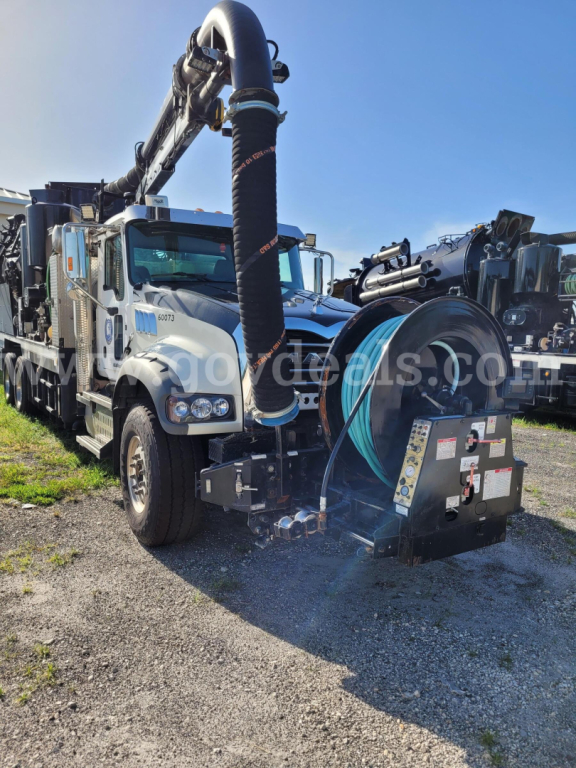
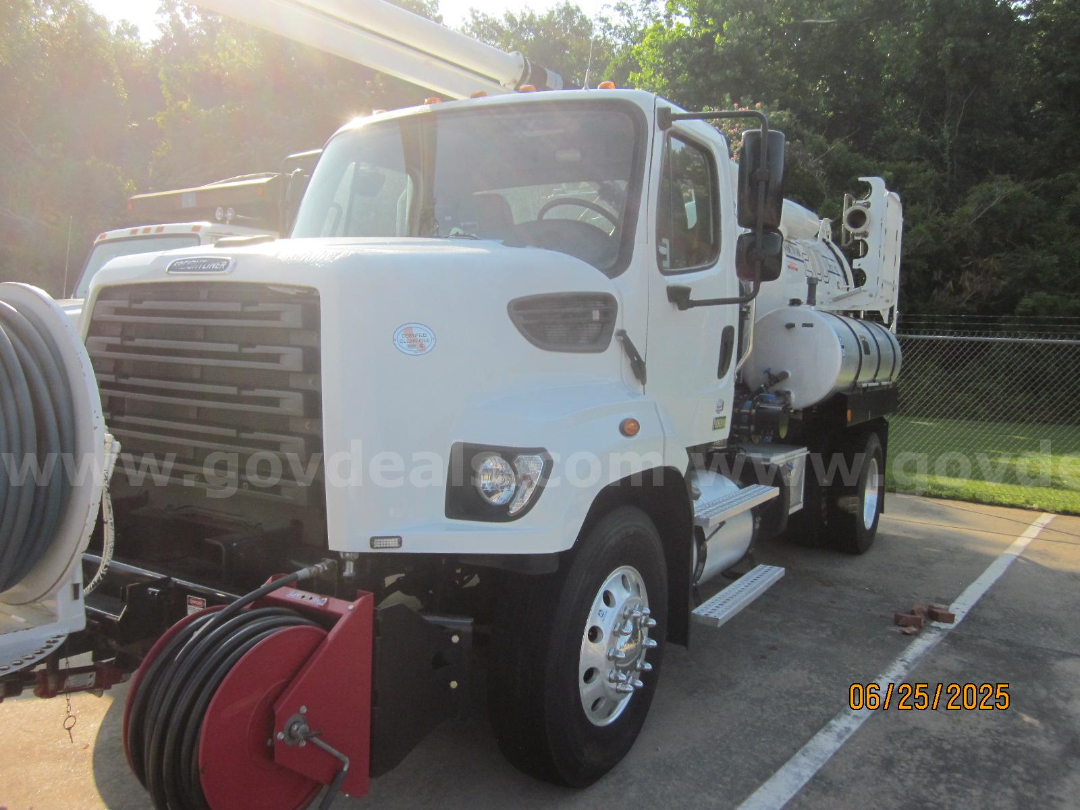
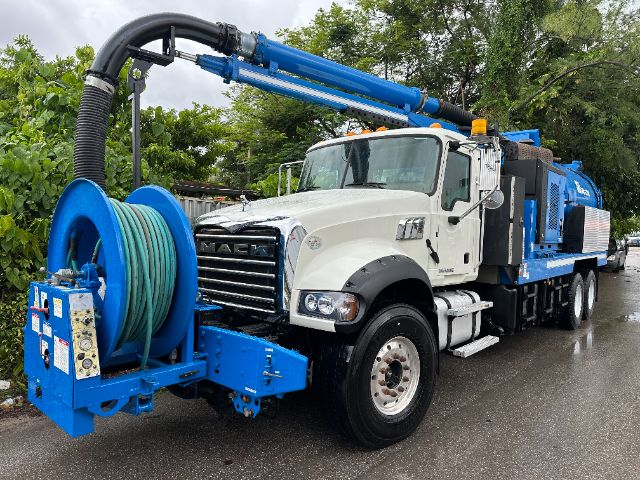
Have 2017 vacuum truck to sell? List it here to reach thousands of buyers.
2017 Vacuum Trucks
The body and vacuum system deserve more attention than the truck badge. Typical 2017 vacuum trucks in this category may carry 10 to 12-yard debris bodies, positive displacement blowers such as Roots units, and fresh water capacity in the 1,000 to 1,500 gallon range on combo machines. Jetter performance around 80 GPM at 2,500 PSI is common on sewer cleaning specifications, while hydro excavation setups may vary based on pump and boom configuration. Tank condition is critical. Check for implosion damage, corrosion, weld repairs, door seal wear, and signs of previous patching. On used vacuum trucks, blower hours, PTO hours, and pump hours often tell you more about system wear than chassis miles alone.
A 2017 model year also means emissions and electronics should be evaluated carefully. Many trucks in this age range are still in active municipal or contractor service, but buyers should verify aftertreatment history, idle time, regen behavior, and PTO integration. Automatic transmissions are common in municipal specs, though some contractor-owned units may be manual. Review axle ratings, GVWR, double-frame construction, suspension type, and local bridge-law or route requirements if the truck will run fully loaded. On sewer cleaners and hydro excavators, it also pays to inspect hose reels, boom operation, water tanks, rear door locks, cyclones, filtration, and any recycler components if equipped.
The best 2017 vacuum truck for sale is usually the one with the clearest service history and the right application fit. Ex-municipal trucks can offer disciplined maintenance records, but they may also show high engine hours, extensive PTO use, and stop-and-go wear. Contractor-owned trucks may have lower idle time in some cases, but condition varies more widely. A serious buyer should match tank size, water volume, blower capacity, and chassis spec to the work mix before comparing price. If the truck will spend most of its time on sewer cleaning, jetter output and debris capacity matter most. If it will handle excavation and utility exposure, boom reach, spoil tank configuration, and vacuum recovery efficiency move to the top of the list.
Frequently Asked Questions about 2017 Vacuum Trucks
What should I look at first on a used 2017 vacuum truck?
Start with the vacuum system, debris tank, and service records before focusing on paint or chassis miles. Tank integrity, blower condition, pump performance, PTO hours, and rear door sealing are the expensive items. A truck with moderate miles but heavy PTO use can be more worn than one with higher road miles and lighter vacuum duty. Ask for maintenance history on the blower, jetter pump, hydraulic system, aftertreatment, and any recycler components.
Are 2017 vacuum trucks mainly sewer cleaners or hydro excavators?
Both are common, but the category includes several distinct configurations. Many 2017 units are combination sewer cleaner trucks with high-pressure water and vacuum recovery for municipal line work. Others are hydro excavation trucks designed more for daylighting, potholing, and utility exposure. Some are straight vacuum units for industrial or liquid recovery. The water capacity, pump rating, boom layout, and debris tank design usually tell you which role the truck was built to perform.
How important are engine hours and PTO hours on a vacuum truck?
They are extremely important because vacuum trucks often spend long periods operating stationary equipment. Engine hours show total runtime, while PTO hours help indicate how much work the blower, jetter, and hydraulic systems have actually done. A lower-mile truck with high engine and PTO hours may have substantial wear in the vacuum package. Buyers should compare miles, engine hours, and PTO hours together rather than relying on odometer readings alone.
What are common specs on a 2017 combination sewer cleaner vacuum truck?
A typical 2017 combo truck may have a 10 to 12-yard debris body, 1,000 to 1,500 gallons of fresh water, a positive displacement blower, and a jetter system around 80 GPM at 2,500 PSI. Chassis are usually severe-duty models with high GVWR ratings, automatic transmissions, and municipal-friendly controls. Exact specifications vary by manufacturer and intended use, so buyers should confirm water volume, hose reel setup, recycler equipment, axle ratings, and tank construction before making a comparison.
Are ex-municipal 2017 vacuum trucks a good buy?
They can be, especially when maintenance records are complete and the unit has been fleet serviced on schedule. Municipal trucks are often inspected regularly and repaired with OEM or approved parts, which is a real advantage. The tradeoff is that they may have high idle time, frequent PTO operation, and stop-and-go wear from city service. The best approach is to inspect the truck as a working system, with special attention to emissions components, tank condition, blower health, and hydraulic performance.