
Used Commercial Trucks For Sale in Maryland
Browse used trucks for sale in Maryland, including box trucks, sleepers, day cabs, and cab chassis for regional delivery and highway hauling.

Selling a used commercial truck? List your used commercial truck for sale and reach thousands of commercial buyers.
Used Commercial Trucks in Maryland
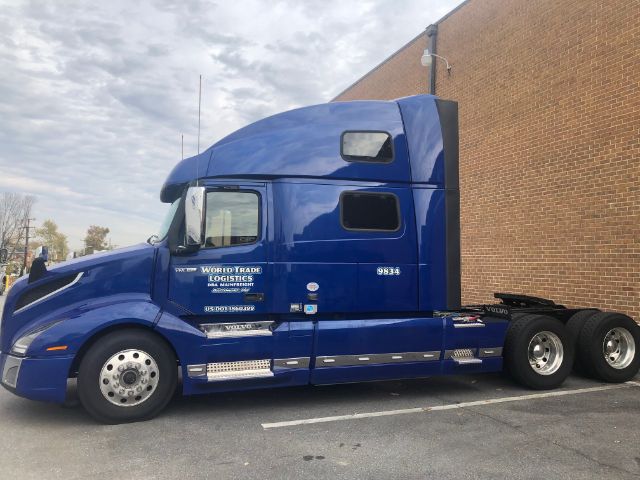
In Maryland, spec choices are often shaped by mixed operating conditions. Trucks may spend part of the week in Baltimore traffic, part on I-95 corridor linehaul, and part in shorter regional lanes through Delaware, Pennsylvania, Virginia, and the Mid-Atlantic. That makes drivetrain and axle specs especially important. Buyers commonly compare diesel engines from Cummins, Detroit, Volvo, Hino, Mercedes-Benz, and PACCAR, along with Allison automatics for medium-duty delivery trucks or Eaton manual and automated manual transmissions in highway tractors. On used sleepers and road tractors, key checkpoints include horsepower, torque, rear axle ratio, wheelbase, 6x4 or single-axle layout, fifth wheel setup, fuel capacity, suspension type, and emissions system service history.
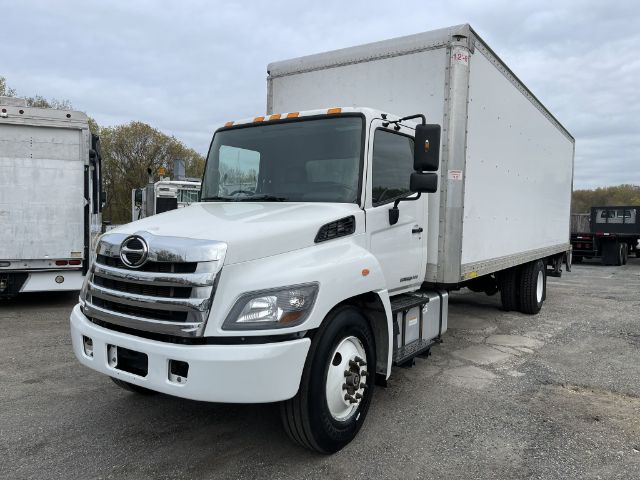
For used box trucks and straight trucks, body spec matters as much as chassis condition. Look closely at box length, body manufacturer, roll-up door opening, liftgate capacity, floor condition, roof integrity, front wall wear, and whether the GVWR stays under 26,000 pounds for non-CDL operation. Air brakes versus hydraulic brakes, front and rear axle ratings, tire size, and maintenance records all affect operating cost and driver fit. For used tractors, sleeper size, bunk layout, inverter, APU, refrigerator, cab heater, fairings, and brake and tire condition can make a real difference in driver retention and uptime. On cab and chassis trucks, frame length, PTO provisions, and remaining upfit flexibility are major buying points.
A good used truck in this market should be evaluated as a working asset, not just by year and mileage. Service documentation, current inspections, known engine and aftertreatment history, tire and brake life, suspension wear, and title status are all part of the real value. Maryland buyers also tend to pay close attention to corrosion, especially on trucks that have spent years in winter road treatment conditions. The best fit comes from matching the truck's wheelbase, axle capacity, powertrain, and body or sleeper configuration to the actual freight, route density, and licensing requirements the truck will see every week.
Frequently Asked Questions about Used Commercial Trucks in Maryland
What types of used trucks are most common for sale in Maryland?
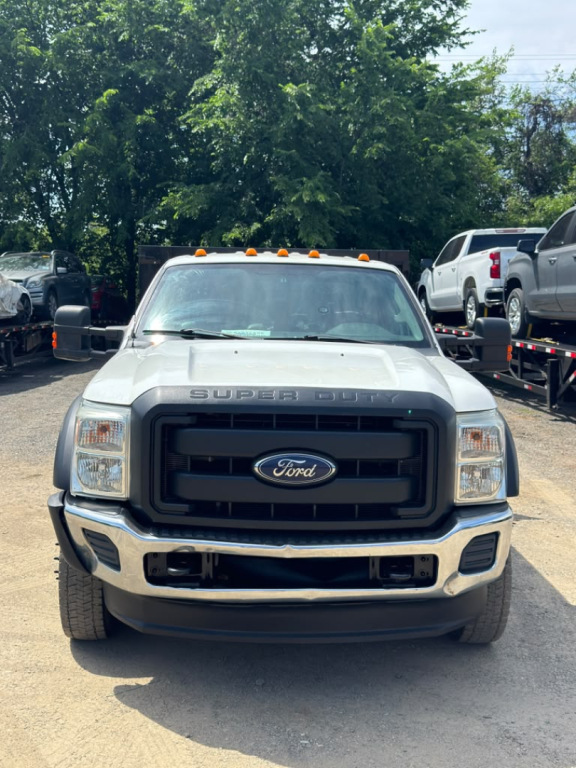
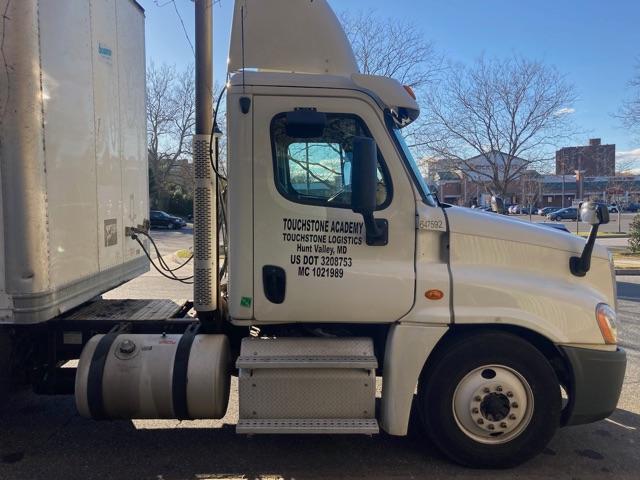
The Maryland used truck market typically includes box trucks, straight trucks, day cab tractors, sleeper tractors, and cab and chassis units. Medium-duty box trucks are common in local delivery and moving applications, while Class 8 tractors are widely used for port drayage, regional freight, and long-haul work along the I-95 corridor. Cab and chassis trucks are also popular because they can be upfitted for dump, rollback, service, landscape, and other vocational applications.
What should I check first on a used box truck?
Start with GVWR, body length, and whether the truck is configured for CDL or non-CDL operation. Then inspect the box itself, including the floor, roof, front wall, door frame, roll-up door, and liftgate if equipped. Chassis items such as brake type, axle ratings, suspension, tire condition, transmission type, and engine service history are just as important because a clean body does not offset poor mechanical condition.
What matters most when comparing used sleeper tractors?
The most important factors are engine make and horsepower, transmission type, axle configuration, rear axle ratio, wheelbase, and maintenance history. Buyers should also review sleeper size, bunk setup, fuel capacity, emissions system repairs, brake condition, and tire life. A sleeper tractor with the right ratio and wheelbase for the intended trailer and lane will usually perform better than a higher-horsepower truck with the wrong drivetrain spec.
Is mileage the most important factor on a used truck?
Mileage matters, but it should not be treated as the only value indicator. A higher-mile truck with complete maintenance records, current inspections, and documented engine, transmission, and aftertreatment work can be a better purchase than a lower-mile truck with gaps in service history. Condition, prior use, idle hours, corrosion, and component life remaining often tell more about future operating cost than odometer reading alone.
Why does truck spec matter so much for Maryland operations?
Maryland trucks often run in a mix of urban congestion, short regional hauls, and interstate freight lanes, so the wrong spec can show up quickly in fuel economy, maneuverability, and maintenance cost. Wheelbase affects turning in tighter city routes, axle ratings affect payload and legal compliance, and drivetrain choices affect performance in stop-and-go service versus highway cruising. Matching the truck to the route profile is one of the best ways to control downtime and operating expense.