
Used Commercial Trucks For Sale in Kentucky
Browse used trucks for sale in Kentucky, including dump, box, service, refuse, and vocational trucks with diesel and gas power options.
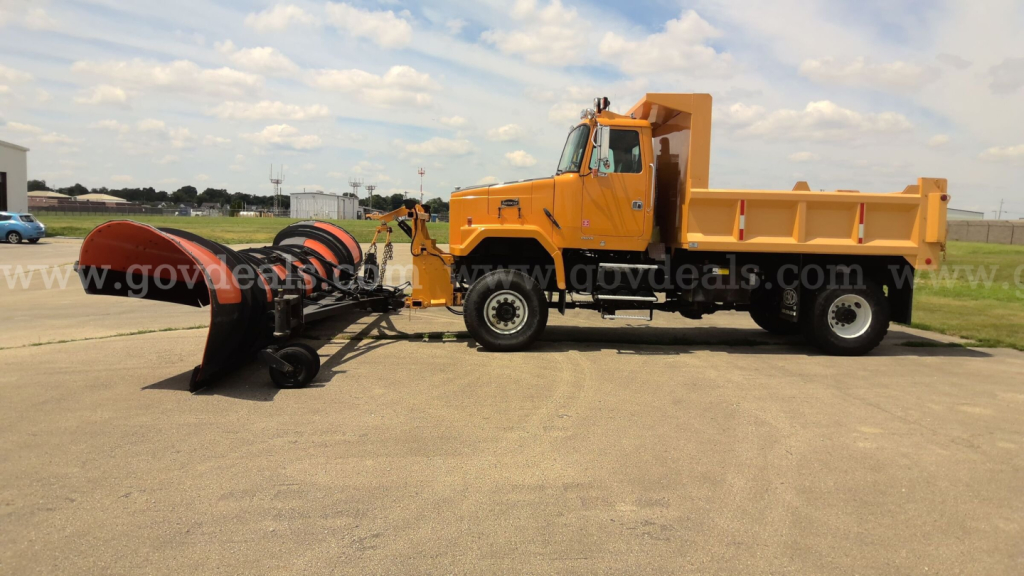
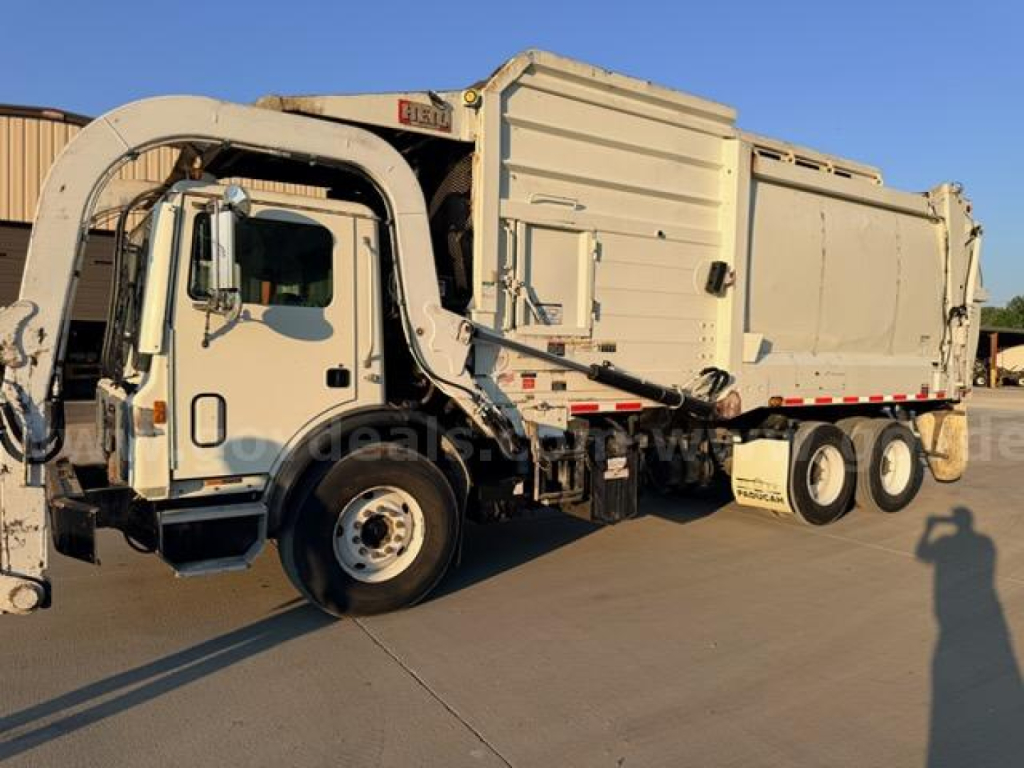
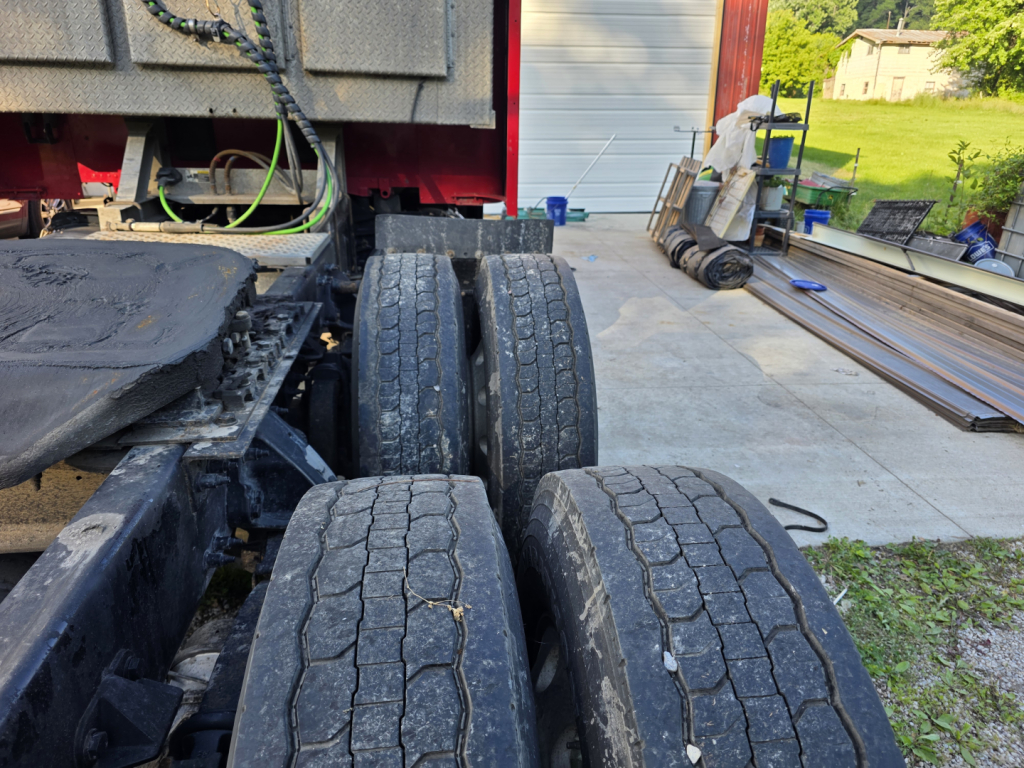
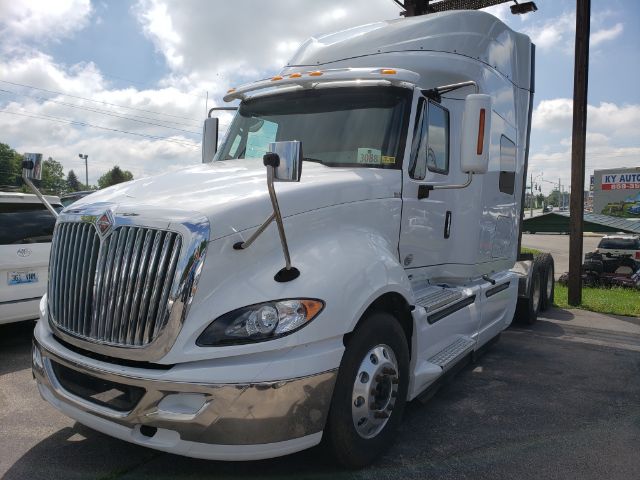
Have used commercial truck to sell? List it here to reach thousands of buyers.
Used Commercial Trucks in Kentucky
A smart buying decision starts with matching the truck class to the job. Light-duty and medium-duty service trucks are common for contractors, utility crews, and public works departments that need secure tool storage, PTO capability, and easy access to equipment. Box trucks, also known as cube vans or straight trucks, are widely used for local delivery, moving, and route work, where cargo box size, door configuration, and dock height matter. Dump trucks in Kentucky are often used in construction, quarry support, landscaping, and municipal road work, so buyers should pay close attention to GVWR, suspension type, hoist condition, body floor wear, and whether the truck has the right wheelbase and axle setup for the payload. Refuse trucks and digger derricks require even closer inspection because hydraulic systems, PTO operation, boom components, packer mechanisms, and body structure can drive long-term operating cost.
For used trucks in this category, the key specs usually include engine type, transmission, drivetrain, GVWR, body style, suspension, brake system, and PTO or hydraulic equipment if equipped. Diesel power remains common in medium-duty and vocational trucks because it delivers torque and durability under load, while gas engines are still popular in lighter service applications with lower annual mileage or simpler maintenance needs. Buyers in Kentucky should also look carefully for rust, especially on frames, cab corners, dump bodies, crossmembers, underbody toolboxes, and hydraulic mounting points. A clean title, service records, hour meter readings on vocational units, and signs of proper fleet maintenance can matter more than age alone. On a work truck, condition of the body and upfit is often just as valuable as the chassis underneath it.
Regional use also matters. Trucks that have spent time on county roads, construction sites, or municipal routes may show wear in suspension components, steering, brakes, and body mounts even if mileage looks reasonable. A used truck that runs well but has neglected hydraulics, electrical accessories, lift equipment, or cargo body repairs can become expensive quickly. Buyers comparing used trucks for sale in Kentucky should focus on intended application first, then evaluate engine hours, transmission behavior, cold-start performance, tire condition, PTO engagement, and any signs of frame repair or corrosion. The best value is usually a truck with specs that fit the work, a straightforward service history, and an upfit that still has productive life left in it.
Frequently Asked Questions about Used Commercial Trucks in Kentucky
What types of used trucks are commonly available in Kentucky?
Used trucks for sale in Kentucky commonly include pickups with service bodies, box trucks, dump trucks, refuse trucks, flatbeds, utility trucks, and other vocational units. The mix tends to reflect construction, municipal, agricultural, and delivery demand across the state. Buyers will often find both light-duty and medium-duty chassis, with diesel engines more common in heavier applications and gas engines more common in lighter service trucks.
What should I check first on a used vocational truck?
Start with the truck’s intended job and verify that the GVWR, axle ratings, wheelbase, and body configuration match that application. After that, inspect the frame, suspension, brakes, tires, transmission operation, and engine performance. On vocational trucks, the upfit is critical, so dump hoists, PTOs, hydraulic lines, refuse packers, utility bodies, booms, and box bodies should all be checked for leaks, structural wear, and proper operation.
Is mileage or engine hours more important on a used truck?
Both matter, but engine hours can be especially important on trucks that spend long periods idling or operating PTO-driven equipment. A truck with moderate mileage and very high hours may have more wear than the odometer suggests. This is common with municipal, refuse, utility, and service trucks. Buyers should compare mileage, engine hours, maintenance records, and the type of work performed to get a clearer picture of actual wear.
Are used diesel trucks a better choice than gas trucks?
Diesel trucks are often the better fit for heavier payloads, towing, frequent stop-and-go vocational work, and higher annual usage because they produce strong low-end torque and are common in medium-duty platforms. Gas trucks can still be a practical choice for lighter-duty service work, shorter routes, and fleets that want simpler emissions systems and lower upfront cost. The better choice depends on payload, route length, idle time, and maintenance capability.
Why is rust inspection so important on used trucks in Kentucky?
Rust can affect structural integrity, maintenance cost, and remaining service life, especially on work trucks that operate year-round. Buyers should look closely at frames, spring hangers, crossmembers, cab corners, rocker panels, body mounts, dump body floors, and hydraulic attachment points. Surface rust is common, but scaling, perforation, and previous patch repairs can indicate more serious issues that reduce durability and resale value.