
Used 2024 Commercial Trucks For Sale in Mississippi
Browse used 2024 trucks for sale in Mississippi, including day cabs, sleepers, and straight trucks with modern specs for regional or long-haul work.

Have used 2024 commercial truck to sell? List it here to reach thousands of buyers.
Used 2024 Commercial Trucks in Mississippi
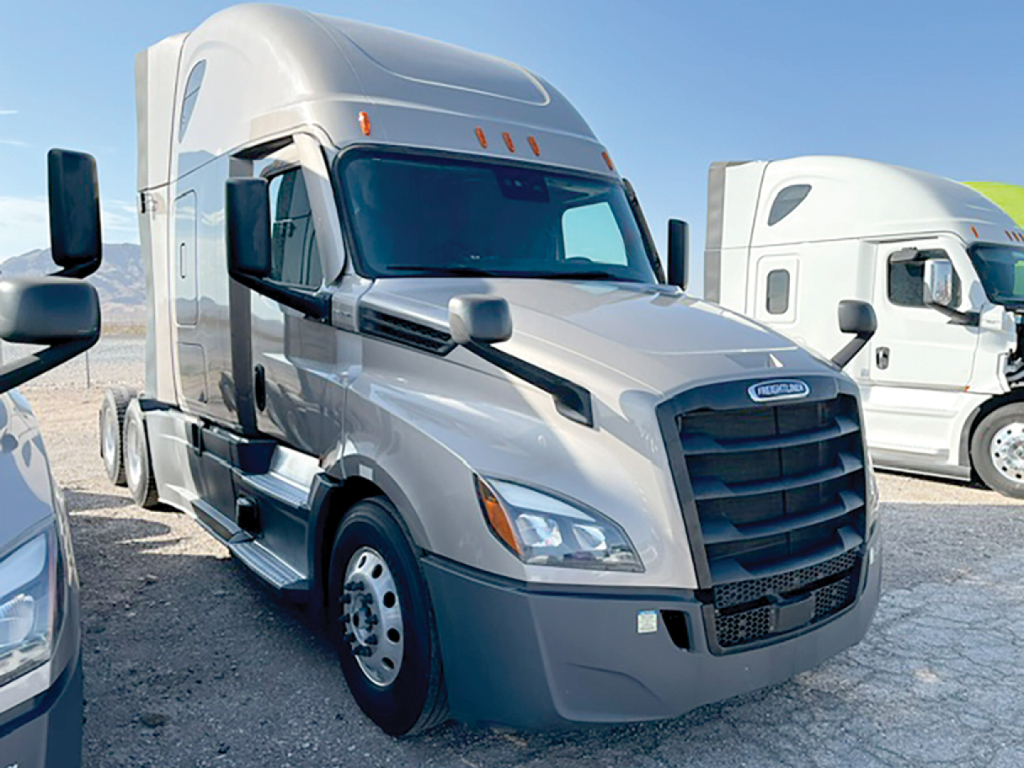
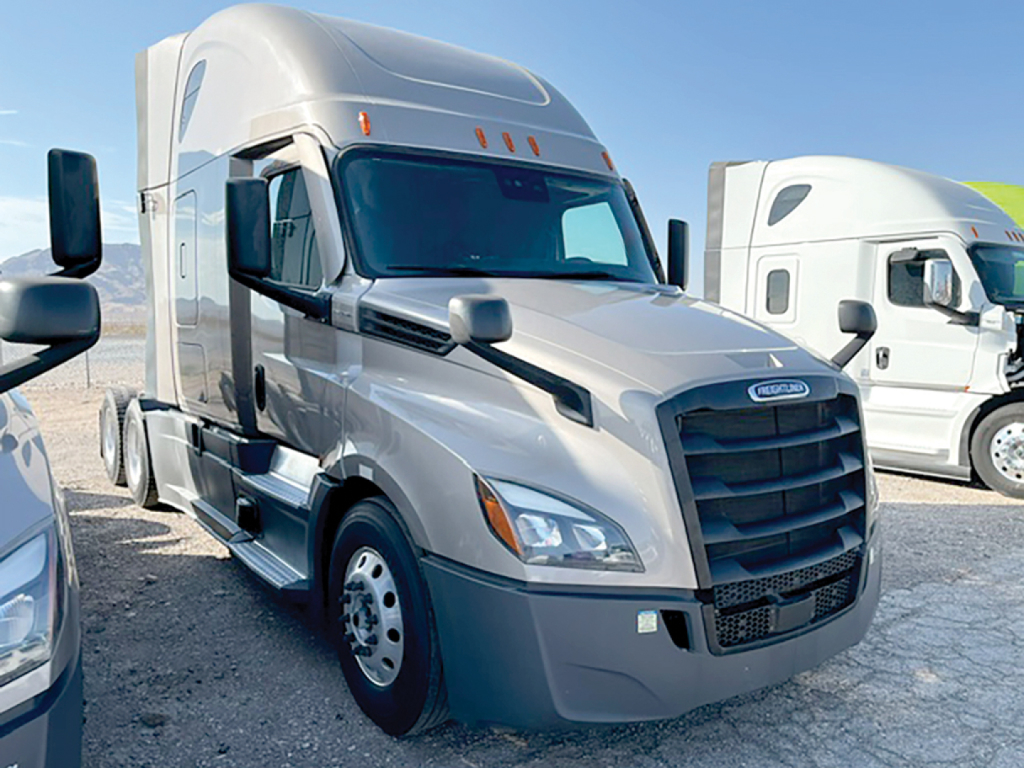
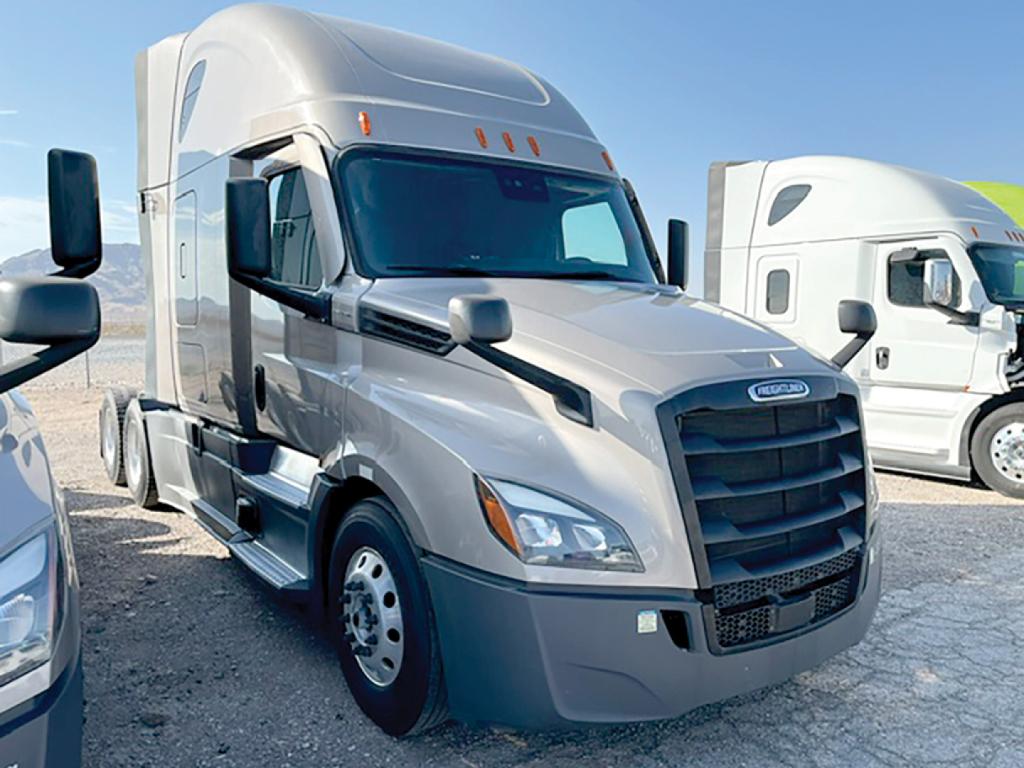
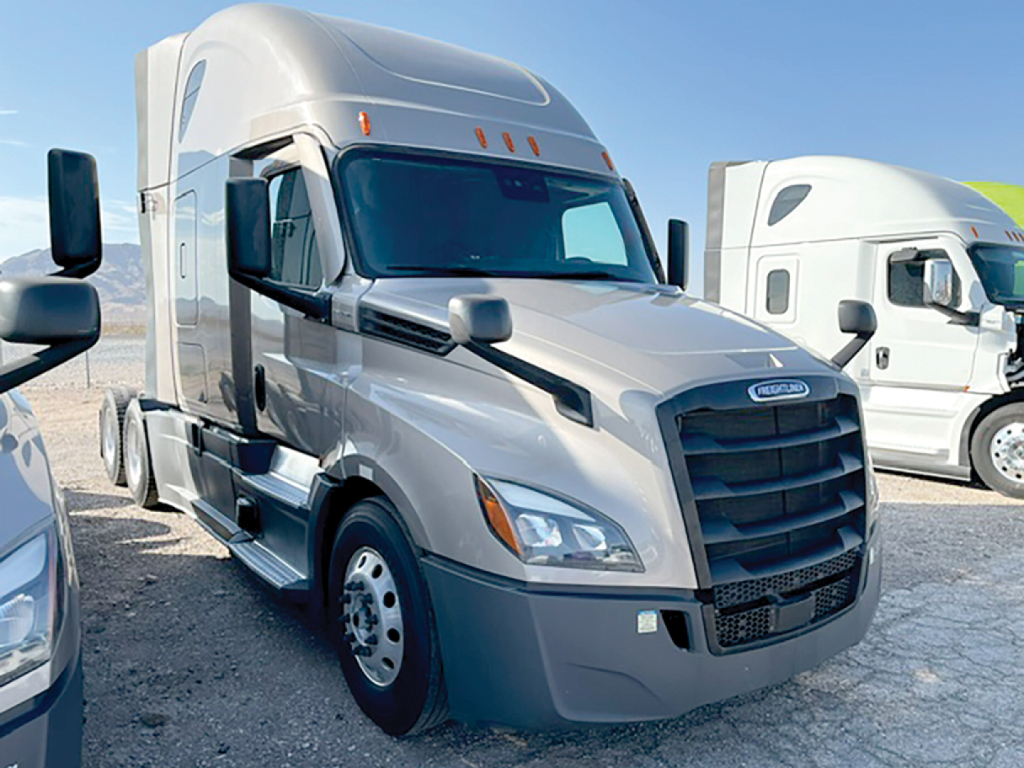
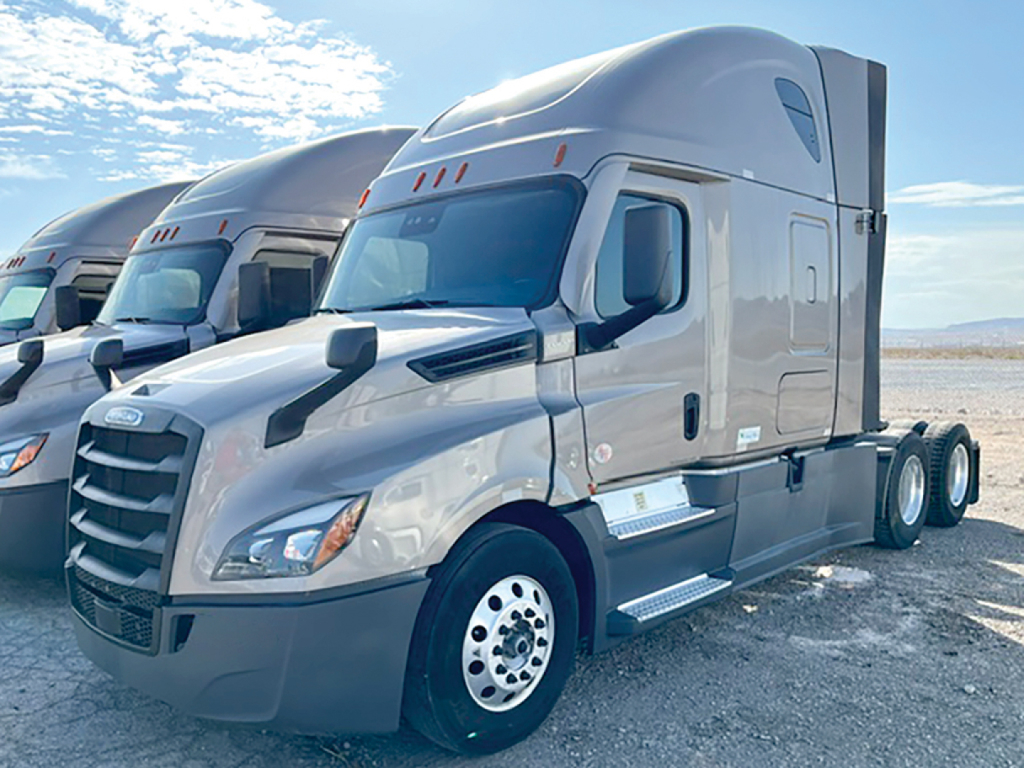
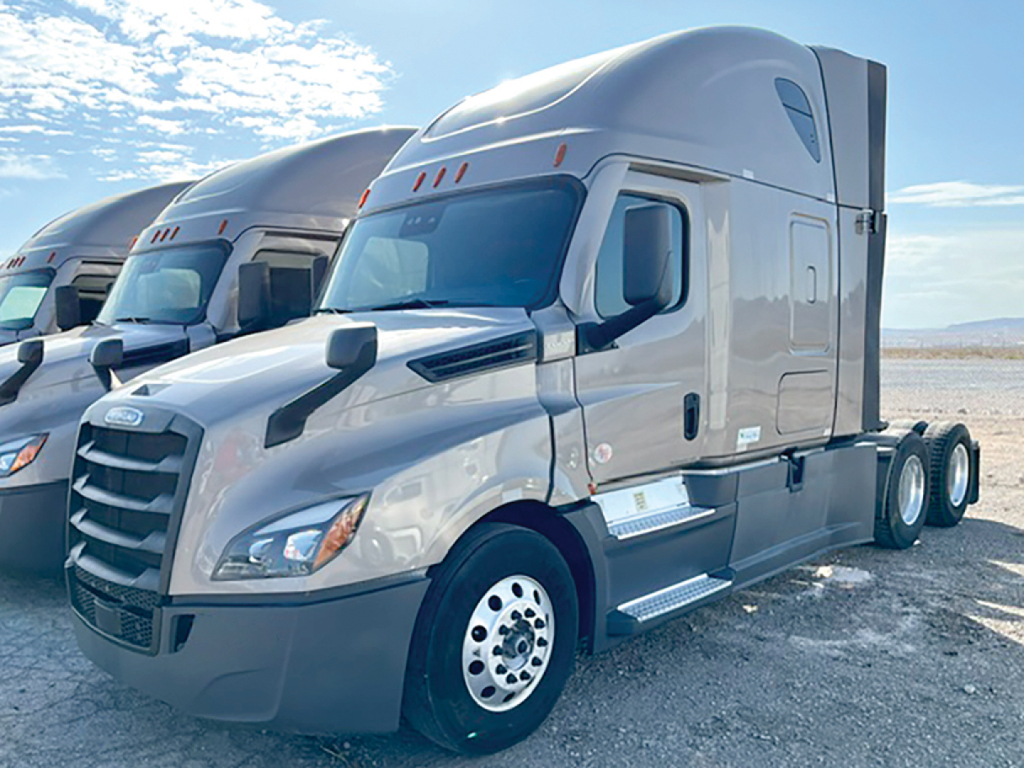
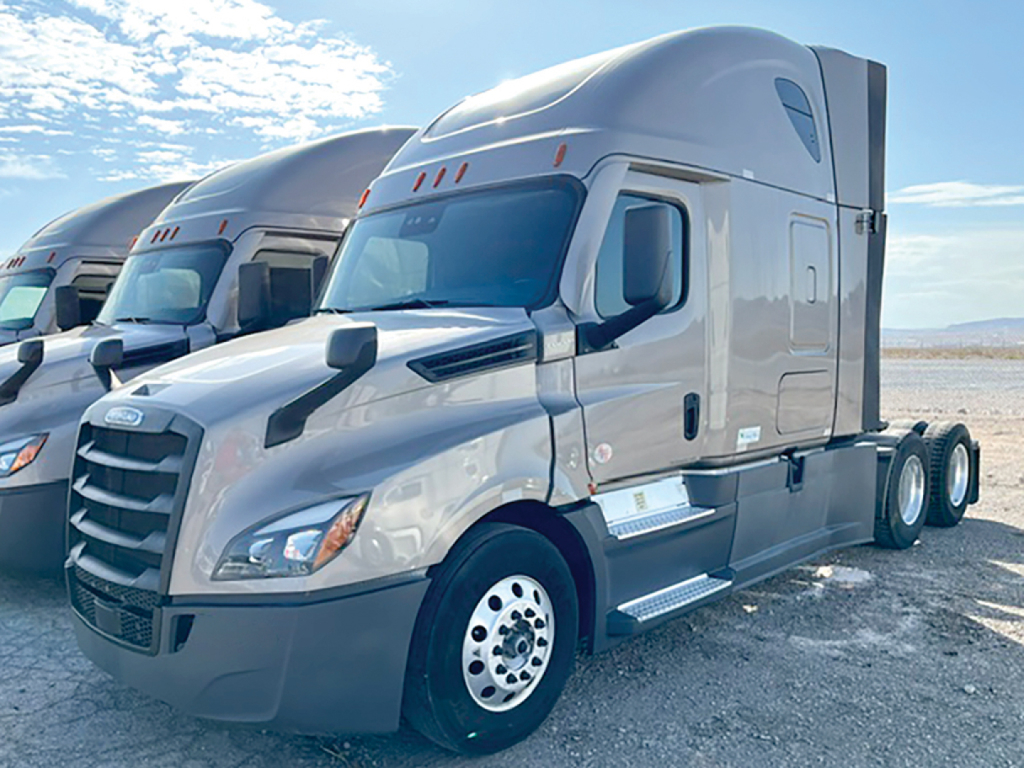
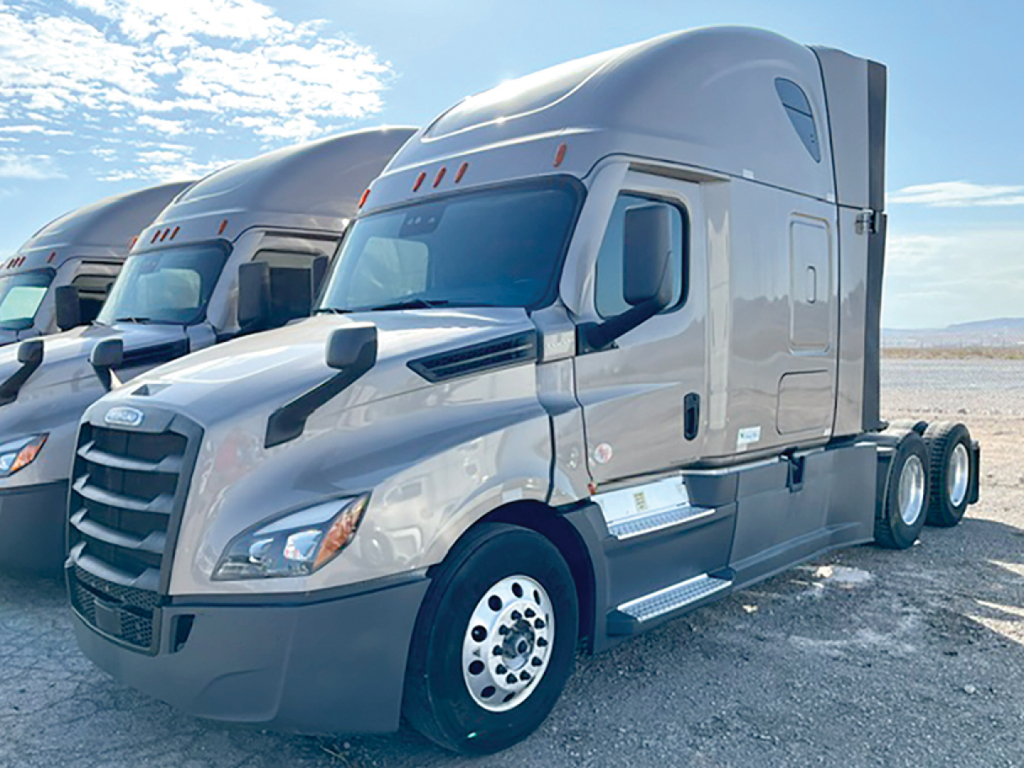
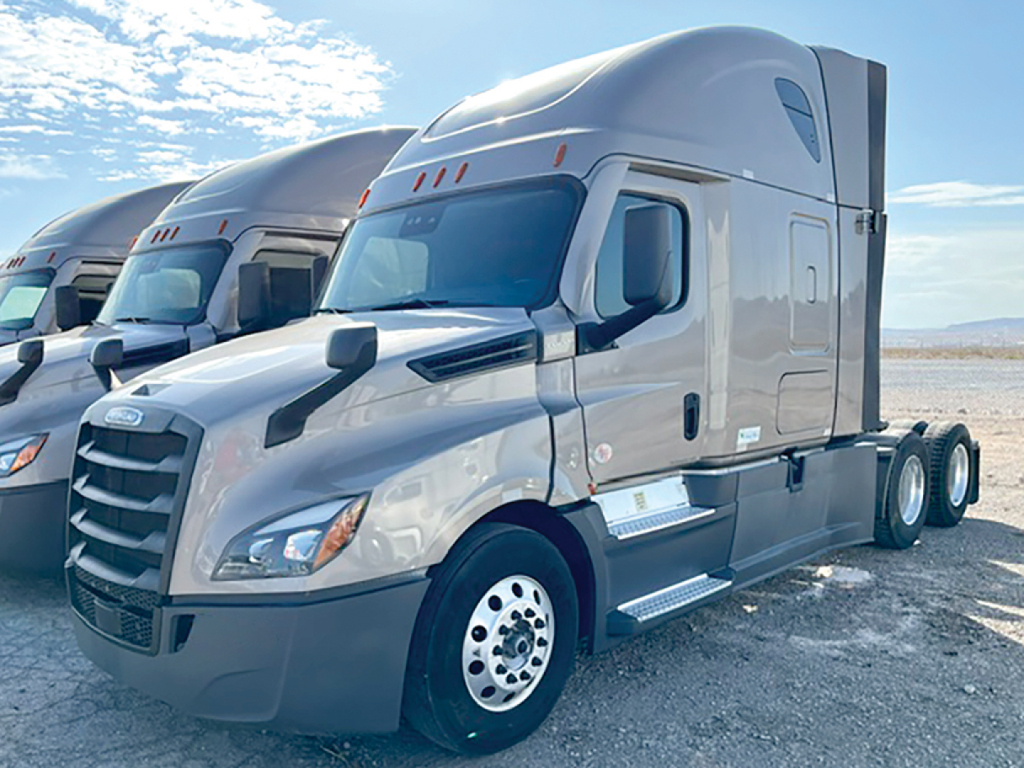
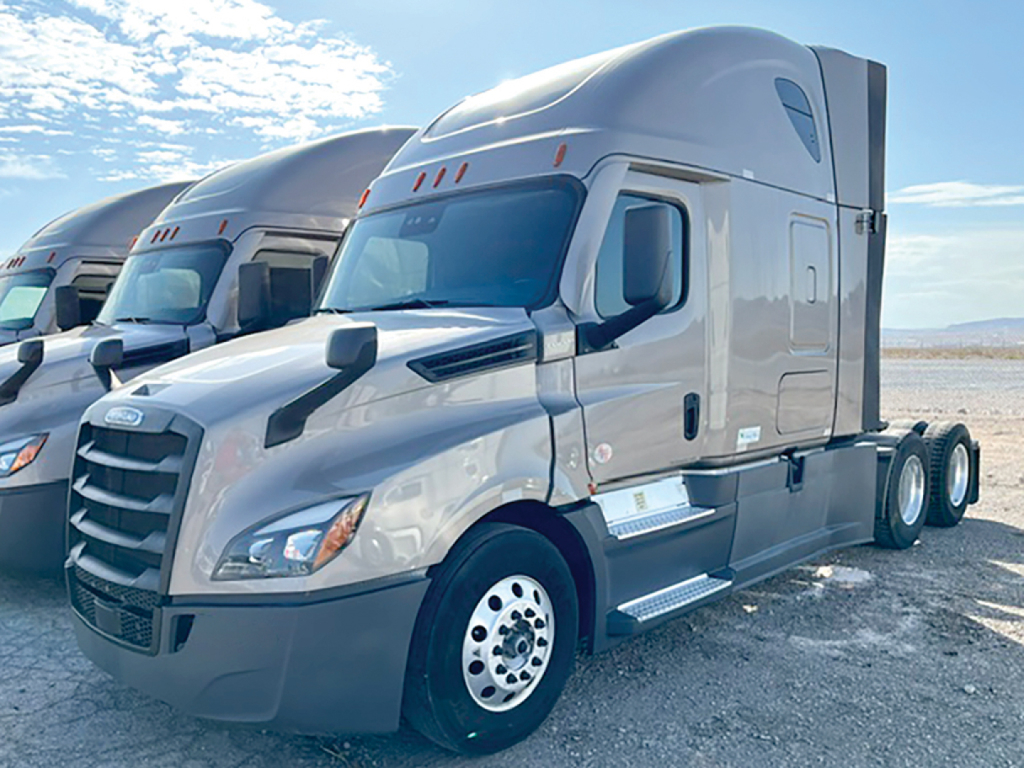
For tractor buyers, the biggest split is usually day cab versus sleeper. A 2024 day cab is commonly set up for regional lanes, port work, dedicated freight, and short-haul operations where maneuverability and lower tare weight matter. A 2024 sleeper truck, also known as a sleeper tractor or road tractor, is better suited for longer runs and teams, with high-roof and mid-roof configurations offering different storage and bunk space. Common specs in this year range often include diesel engines from Cummins, PACCAR, Detroit, or Volvo in roughly the 400 to 500 horsepower range, paired with automated manual or automatic transmissions, 2.47 to 3.08 rear axle ratios for fuel economy, and tandem rear axles rated around 40,000 pounds on Class 8 highway units.
For straight trucks, buyers should pay close attention to body type and payload needs. Used 2024 straight trucks in Mississippi may include dry van bodies, reefer bodies, flatbeds, stake bodies, and service configurations. On box trucks and van bodies, details such as body length, inside height, roll-up versus swing doors, liftgate capacity, scuff liners, E-track, and floor material affect day-to-day usability more than cosmetic condition. Medium-duty models often run diesel engines in the 200 to 300 horsepower range with automatic transmissions and single rear axles, while heavier Class 7 and Class 8 straight trucks can be built for larger payloads or specialized upfits.
Mississippi buyers should also evaluate specs with regional terrain, lane profile, and service support in mind. Highway-oriented trucks often carry aerodynamic packages, side fairings, cab extenders, disc brakes, and low-rolling-resistance 22.5-inch tires to improve fuel economy. For stop-and-go or mixed-route work, look closely at idle hours, PTO provision, suspension type, brake configuration, and turning radius. Across this category, late-model used 2024 trucks can offer a strong balance of remaining service life, current technology, and easier driver acceptance, but the best choice still comes down to matching engine, transmission, axle rating, and chassis layout to the freight or job the truck will actually handle.
Frequently Asked Questions about Used 2024 Commercial Trucks in Mississippi
What should I look for first when buying a used 2024 truck in Mississippi?
Start with the intended application. A regional day cab, an over-the-road sleeper, and a straight truck can all be the right choice, but only if the chassis and drivetrain match the work. Focus first on GVWR or axle ratings, wheelbase, engine horsepower and torque, transmission type, rear axle ratio, and any body or fifth wheel setup. After that, review maintenance records, idle hours, emissions system history, and tire and brake condition, because those items have a direct impact on near-term operating cost.
Is a used 2024 day cab or sleeper better for my operation?
A day cab is usually the better fit for regional freight, dedicated routes, drayage, and operations where the truck returns regularly to the terminal. It generally offers lighter weight, a shorter wheelbase, and easier maneuverability. A sleeper is the better fit for longer hauls, overnight runs, and team operations where bunk space, storage, and driver comfort matter. The decision should be based on trip length, payload requirements, and how much importance your operation places on turning radius versus onboard living space.
What engine and transmission specs are common in used 2024 trucks?
Used 2024 highway trucks commonly feature diesel engines from major OEM platforms such as Cummins, PACCAR, Detroit, and Volvo. On Class 8 tractors, horsepower often falls between 400 and 500, usually paired with automated manual transmissions designed to improve fuel economy and reduce driver fatigue. Straight trucks and medium-duty models often use lower-horsepower diesel engines with fully automatic transmissions. Rear axle ratios vary by application, with fuel-economy highway trucks often geared faster and local or heavier vocational units geared deeper for startability and load handling.
Are used 2024 trucks a good value compared with new trucks?
In many cases, yes. A used 2024 truck can still provide current-generation cab design, updated safety and telematics features, and modern powertrain technology while avoiding the highest acquisition cost and first-year depreciation of a new unit. For buyers who want late-model equipment but need tighter capital control, this model year often represents a practical middle ground. The real value depends on mileage, service history, warranty status if any remains, and how closely the truck's specifications match the intended route and freight.
What matters most on a used 2024 straight truck or box truck?
Body specification matters just as much as chassis specification. Buyers should verify body length, door type, liftgate rating, floor condition, E-track layout, scuff protection, inside dimensions, and any reefer or auxiliary equipment if equipped. On the chassis side, confirm the engine rating, transmission, rear axle capacity, wheelbase, and suspension type. A truck with the right body and payload setup will usually deliver better long-term value than a newer unit with mismatched dimensions or inadequate cargo-handling features.