
Used 2023 Commercial Trucks For Sale in Oklahoma
Browse used 2023 trucks for sale in Oklahoma, including day cabs, sleepers, vocational and tandem-axle models for regional and heavy-duty work.
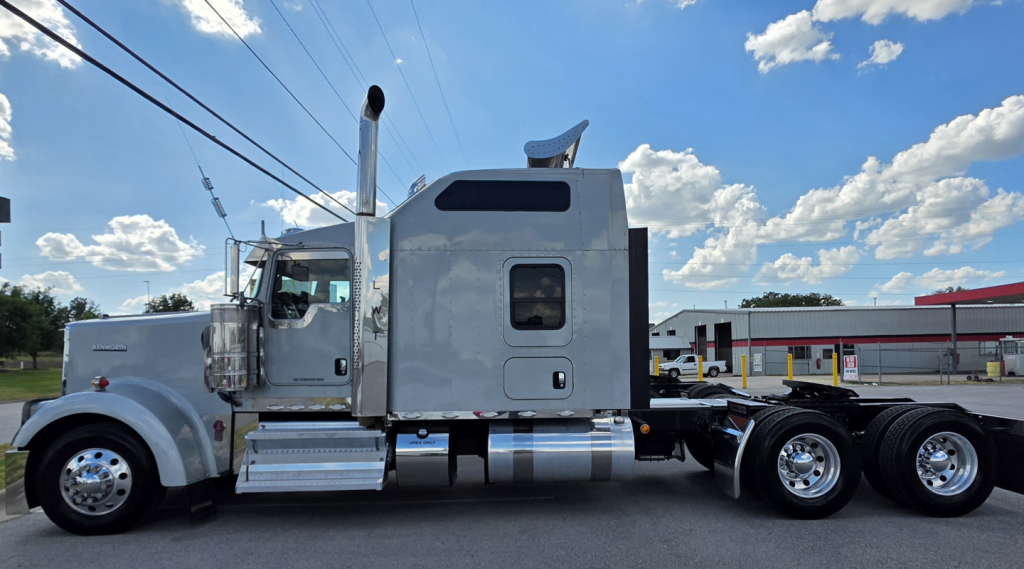
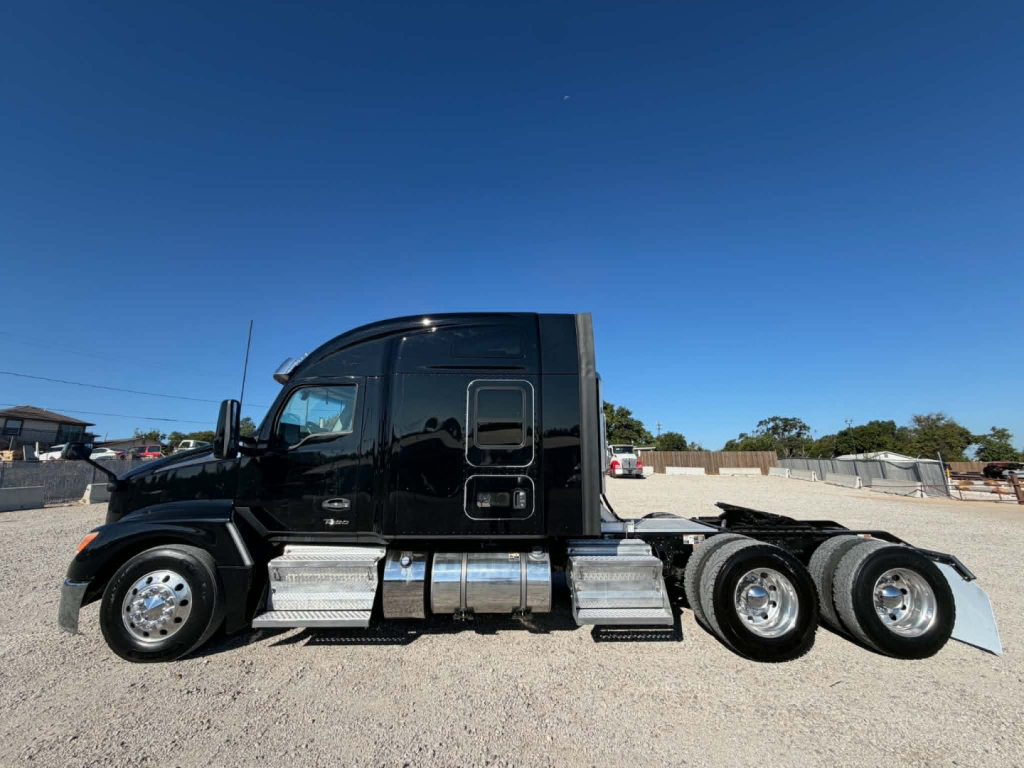
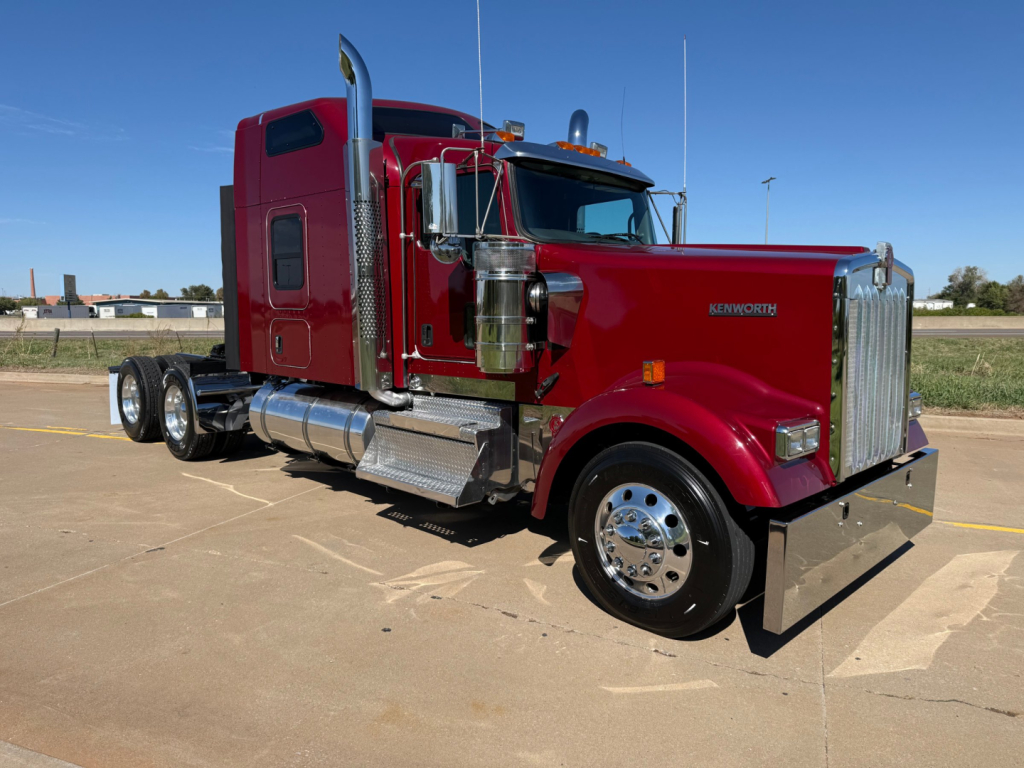
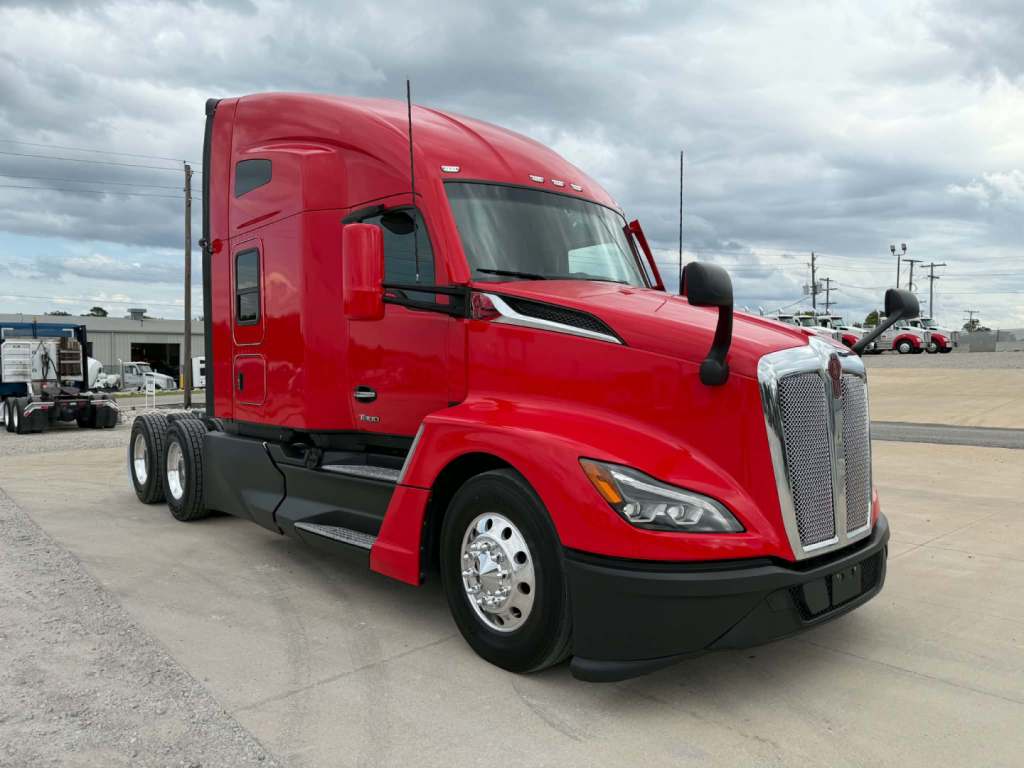
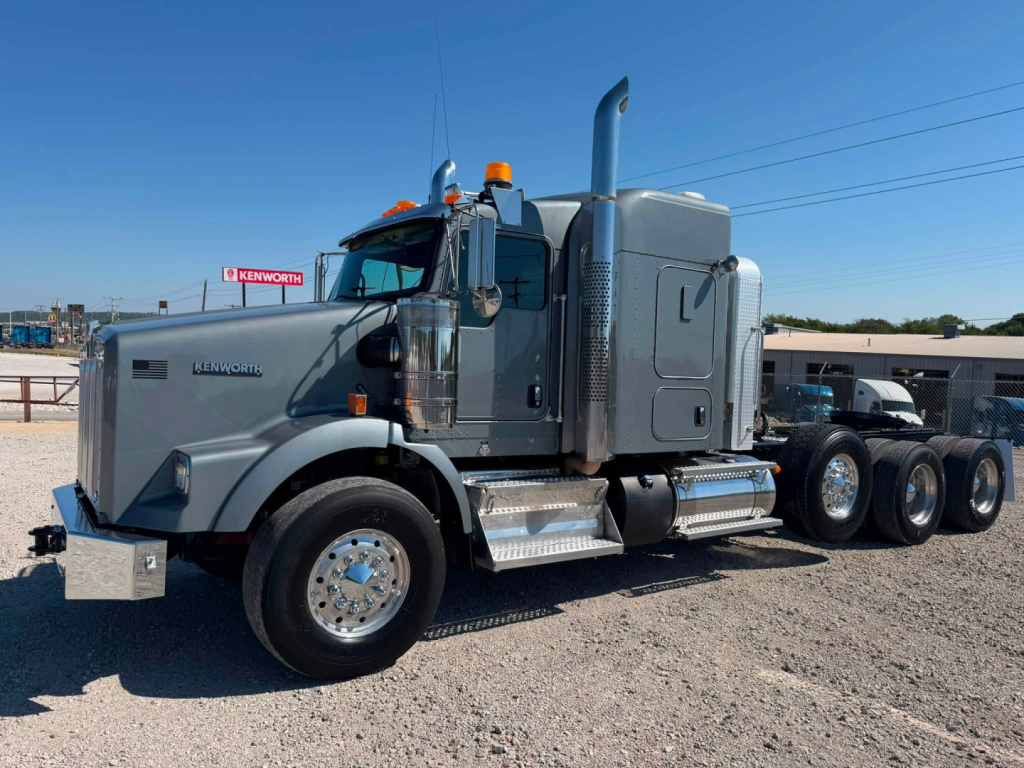
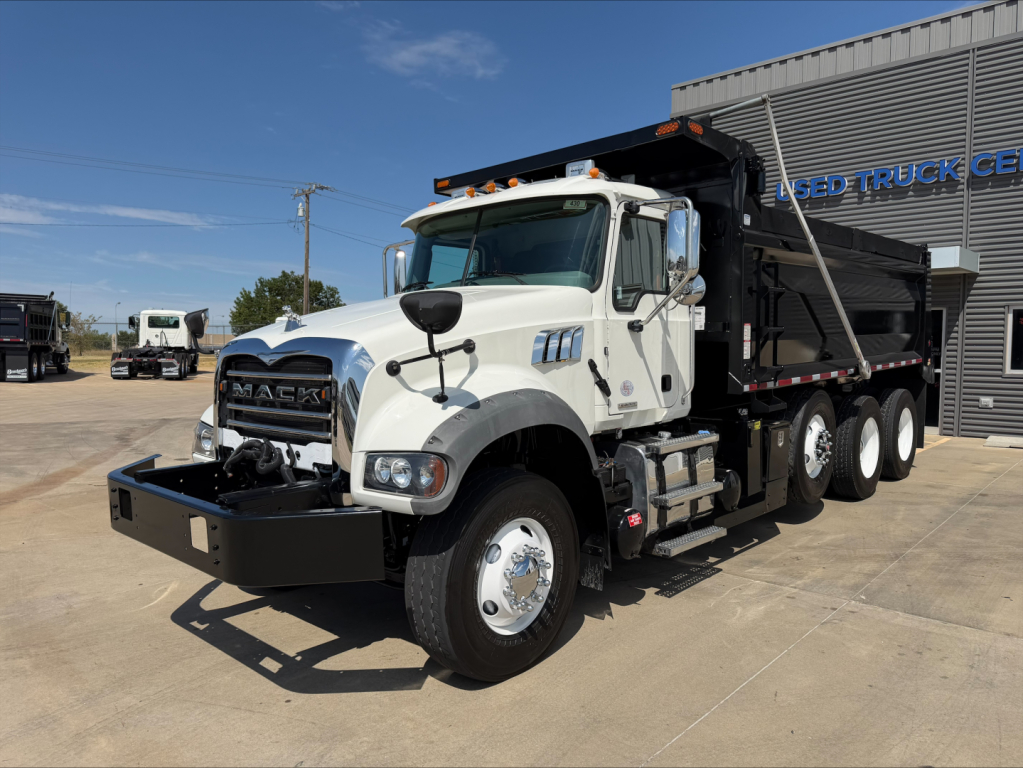
Selling a used 2023 commercial truck? List your used 2023 commercial truck for sale and reach thousands of commercial buyers.
Used 2023 Commercial Trucks in Oklahoma
The first decision is application, because 2023 trucks cover a wide range of specs. A highway day cab or conventional sleeper may carry 12,000 to 13,200 lb front axles, 40,000 lb tandem rears, air ride suspension, and rear ratios chosen for fuel economy or regional haul performance. Vocational trucks from the same model year may lean toward heavier front axles, shorter gearing, Allison automatic transmissions, double frame sections, and PTO or wet kit readiness for dump, roll-off, mixer, tanker, or equipment hauling work. Engine choices commonly land in the 350 to 500-plus horsepower range depending on the job, with popular platforms such as Cummins X15 or ISL9, Mack MP8, and Volvo D13. Buyers should compare wheelbase, suspension, axle ratings, and transmission spec before focusing on cosmetic condition.
For Oklahoma buyers, terrain and duty cycle matter. Trucks working oilfield support, aggregate, construction, or municipal routes usually need a different setup than units running steady regional freight. Long wheelbase day cabs can be attractive for specialized trailer work, fixed fifth wheel positions, or wet kit applications, while a shorter wheelbase may be better where maneuverability matters. If the truck will spend time on county roads, lease roads, or mixed surface jobsites, pay close attention to suspension type, tire size, brake configuration, and frame condition. On highway tractors, look at fuel capacity, fairings, adaptive safety systems, and service records for emissions components such as the DPF, SCR, and DEF system. On vocational trucks, inspect PTO hours, hoist or hydraulic integration, body compatibility, and any signs of frame or crossmember stress.
A smart used 2023 truck purchase usually comes down to matching the spec to the work, then verifying maintenance history and remaining life in the expensive components. Buyers should review mileage and engine hours together, pull ECM data when available, and inspect clutch wear, driveline condition, suspension bushings, brake life, and tire match. Late-model trucks can offer real gains in driver comfort, uptime, and fuel efficiency, but only if axle ratio, horsepower, transmission logic, and chassis layout fit the route and payload. In this category, the best value is rarely the cheapest truck on the page. It is the truck with the right spec, documented care, and the least compromise for the job it will actually do.
Frequently Asked Questions about Used 2023 Commercial Trucks in Oklahoma
What should I look for first when buying a used 2023 truck in Oklahoma?
Start with the truck’s intended application, then verify the chassis and drivetrain match that job. Wheelbase, axle ratings, rear ratio, suspension type, engine horsepower, and transmission spec all matter more than paint or trim. For Oklahoma operations, buyers should also consider road mix, seasonal heat, jobsite access, and whether the truck will stay on interstate freight lanes or work in construction, agriculture, or oilfield support. Once the spec looks right, review maintenance records, engine hours, emissions service history, and tire and brake condition.
Are used 2023 trucks a good value compared with older used trucks?
Used 2023 trucks can be a strong value because they are late-model units with newer powertrains, updated driver-assist features, and a better chance of having consistent service documentation. They often cost less than new while still offering modern fuel economy, automated manual transmissions, and more current interior and safety technology. The tradeoff is that repairs on emissions and electronic systems can still be expensive, so condition and maintenance history are critical. For many fleets, a 2023 model year offers a practical balance of age, capability, and capital cost.
What engine and transmission combinations are common in 2023 trucks?
Common 2023 truck specs include diesel engines such as the Cummins X15, Volvo D13, Mack MP8, and medium-heavy vocational platforms like the Cummins ISL9 in the appropriate chassis class. Horsepower commonly ranges from the mid-300s in vocational applications up into the 500-plus range for heavy highway or specialized haul work. Automated manual transmissions are very common in this model year, including systems such as Volvo I-Shift and Mack mDRIVE, while Allison automatics remain popular in vocational work that involves stop-and-go duty cycles, PTO operation, or driver turnover.
How important is wheelbase on a used 2023 truck?
Wheelbase is one of the most important fitment decisions because it affects turning radius, bridge law flexibility, body upfit options, trailer gap, ride quality, and component placement. A long wheelbase can make sense for certain dump, tanker, or specialized tractor applications, especially where fixed fifth wheel settings or wet kit packaging are needed. A shorter wheelbase is generally better for urban delivery, tight jobsites, and applications that need maneuverability. Buyers should confirm the wheelbase works with their trailers, bodies, axle spread requirements, and operating environment before moving forward.
What late-model maintenance concerns should buyers check on a used 2023 truck?
Even on a 2023 truck, buyers should inspect emissions components, cooling system health, software update history, brake wear, suspension bushings, driveline condition, and tire match across the axle set. Ask for records related to the DPF, DEF dosing system, SCR performance, injector work, and any fault-code history. It is also smart to compare odometer miles with engine hours to understand whether the truck lived on highway miles or saw more idle-heavy vocational use. A pre-purchase inspection with ECM download and fluid sampling can reveal issues that are not visible during a basic walk-around.