
Used 2023 Trucks For Sale in New York
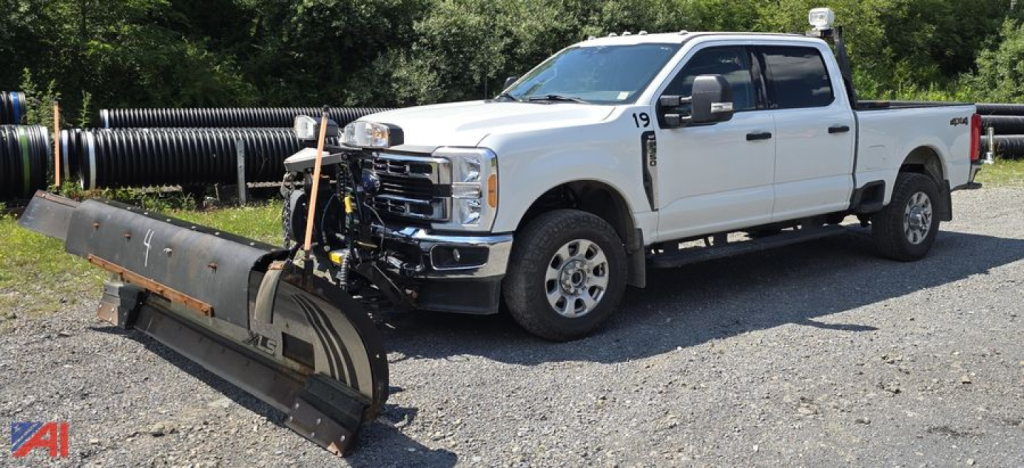
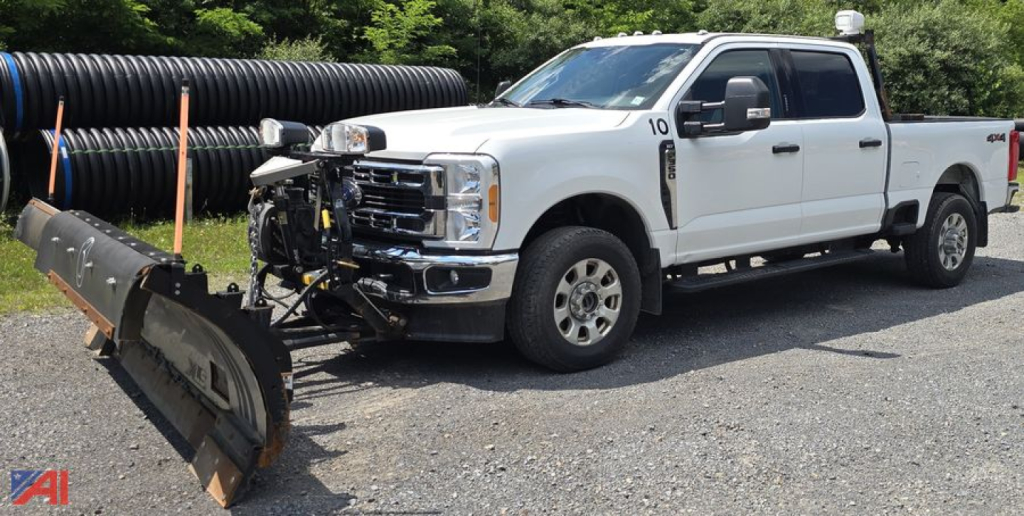
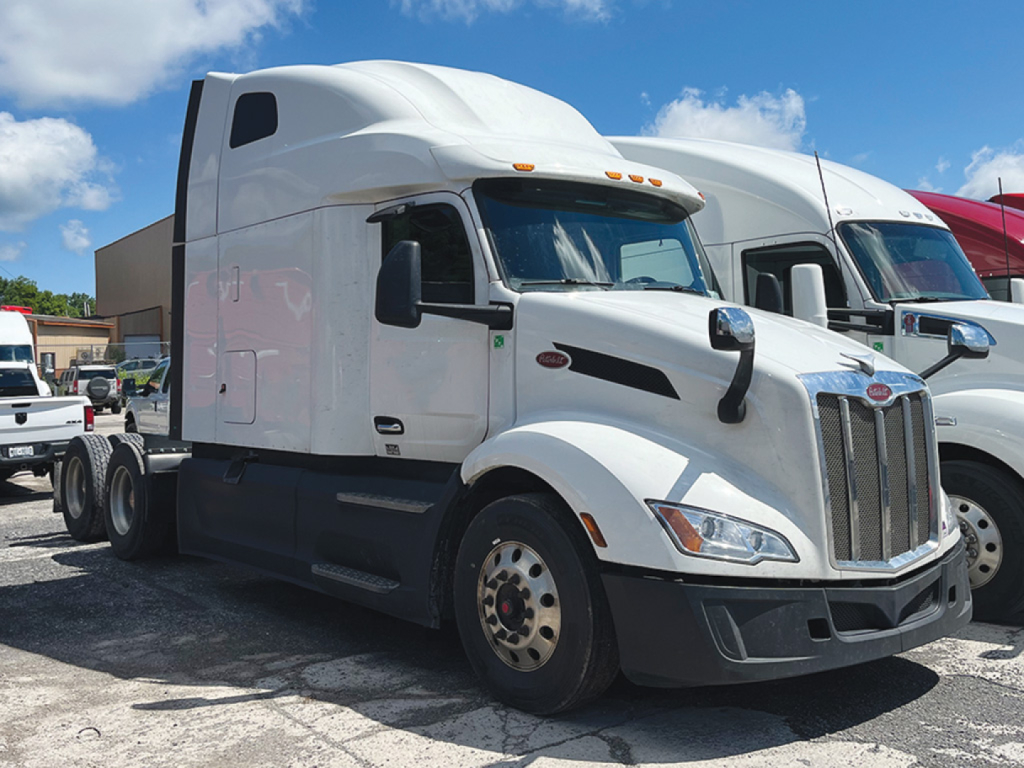

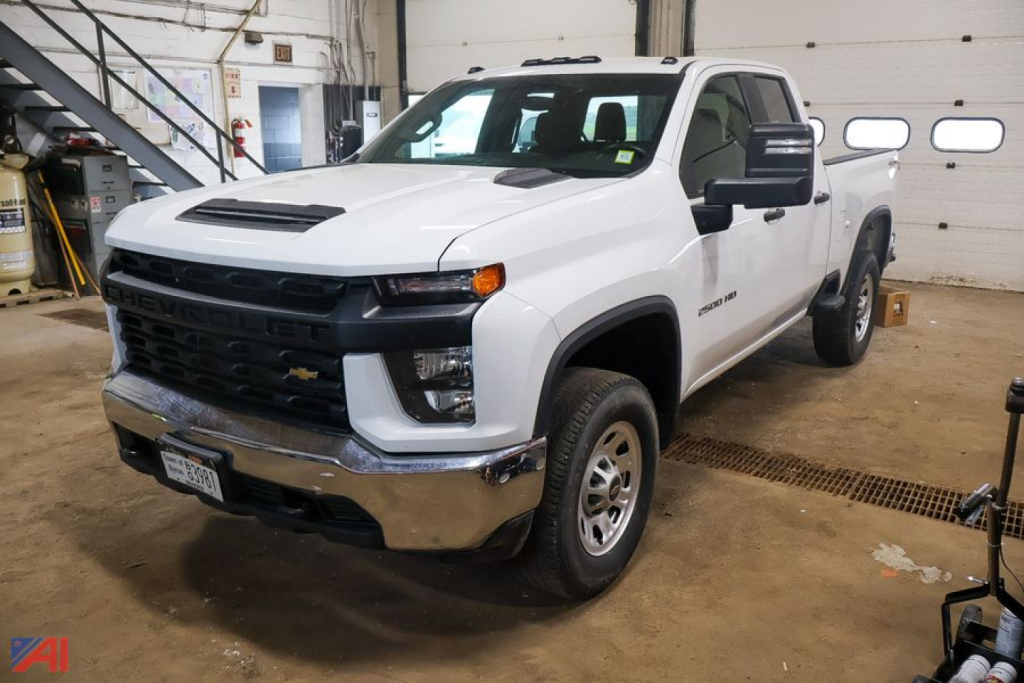
Have used 2023 truck to sell? List it here to reach thousands of buyers.
Used 2023 Trucks in New York
A used 2023 truck is still recent enough that emissions systems, safety technology, and driver comfort features are usually in the modern range. Buyers should pay close attention to engine family, horsepower, torque, and transmission spec rather than model year alone. Common setups include diesel engines from Cummins, Detroit, Paccar, Mack, and International, paired with automated manuals or traditional manual transmissions depending on duty cycle. Rear axle ratio, suspension type, front axle capacity, and brake configuration can change how a truck performs in stop-and-go delivery work versus linehaul or vocational service. If the truck is a tractor, review fifth wheel type, sliding versus stationary position, and frame condition. If it is a cab and chassis, confirm cab-to-axle, cab-to-end, PTO compatibility, and any body upfit requirements before you buy.
For New York buyers, corrosion exposure is a real factor even on newer used trucks. Road salt, municipal service, and winter operation can accelerate wear on frames, crossmembers, brake hardware, wiring connections, air tanks, and suspension components. A strong 2023 used truck should be evaluated for service history, idle hours, aftertreatment maintenance, tire wear pattern, bushing condition, and any signs of frame drilling or prior body removal. Trucks built for city work may show lower miles but much higher engine hours, which can be just as important as odometer reading. On-road buyers should also look at fuel tank size, fairings, roof profile, and sleeper or day cab configuration to match route length and payload needs.
The best value in this category usually comes from matching the truck’s original spec to your actual operation. A lightly upfitted 2023 cab and chassis may be ideal for a custom body build, while a day cab with the right wheelbase, suspension, and axle ratings can go straight to work in regional freight or port service. Buyers comparing used 2023 trucks for sale in New York should focus on legal payload, turning radius, emissions warranty status, and maintenance accessibility. A truck that is slightly overbuilt for the job often ages better in severe-duty service, but excess axle, engine, or suspension capacity can also add empty weight and operating cost. The right truck is the one with a spec sheet that supports your route, body, trailer, and compliance requirements without carrying unnecessary complexity.
Frequently Asked Questions about Used 2023 Trucks in New York
What should I look for first when buying a used 2023 truck in New York?
Start with the truck’s intended job and confirm the core chassis specs match it. Axle configuration, GVWR, wheelbase, cab-to-axle, engine rating, transmission, and suspension type will determine whether the truck fits your body, trailer, route, and legal weight requirements. In New York, maneuverability and corrosion condition are especially important because many trucks operate in tight urban environments and are exposed to winter road salt.
Is mileage or engine hours more important on a used 2023 truck?
Both matter, and they should be viewed together. A truck with moderate mileage but very high engine hours may have spent a large part of its life idling, operating PTO equipment, or running in stop-and-go service. That kind of duty cycle can affect the engine, aftertreatment system, and cooling components differently than steady highway miles. Engine hours often tell the better story on vocational trucks and local delivery units.
What truck configuration is most common for commercial buyers in this category?
The most common configurations are 4x2 and 6x4 trucks, depending on application. A 4x2 is common for lighter regional hauling, city delivery, and some cab and chassis uses where tighter turning and lower weight are priorities. A 6x4 is more common for tandem axle tractors, heavier vocational work, snow-season traction, and applications that demand higher rear axle capacity or PTO support.
Why is wheelbase so important on a used truck?
Wheelbase affects turning radius, bridge law flexibility, body fit, trailer swing clearance, and ride quality. On a tractor, wheelbase and fifth wheel placement influence trailer compatibility and axle loading. On a cab and chassis, wheelbase and cab-to-axle dimensions determine what body can be installed and how the finished truck will balance weight. A truck with the wrong wheelbase can create expensive upfit or operational limitations even if the rest of the spec looks good.
Are used 2023 trucks old enough to have meaningful maintenance history?
Yes. A 2023 truck can already have a useful service record, especially in fleet operation. Preventive maintenance intervals, warranty repairs, DPF service, brake work, tire replacement, and software updates may all be documented within the first years of service. That history can be more valuable than age alone because it shows how the truck was operated, maintained, and repaired during its early life.