
Used 2020 Commercial Trucks For Sale in Pennsylvania
Browse used 2020 trucks for sale in Pennsylvania, including day cabs and sleepers with diesel power, tandem axles, and fleet-ready specs.
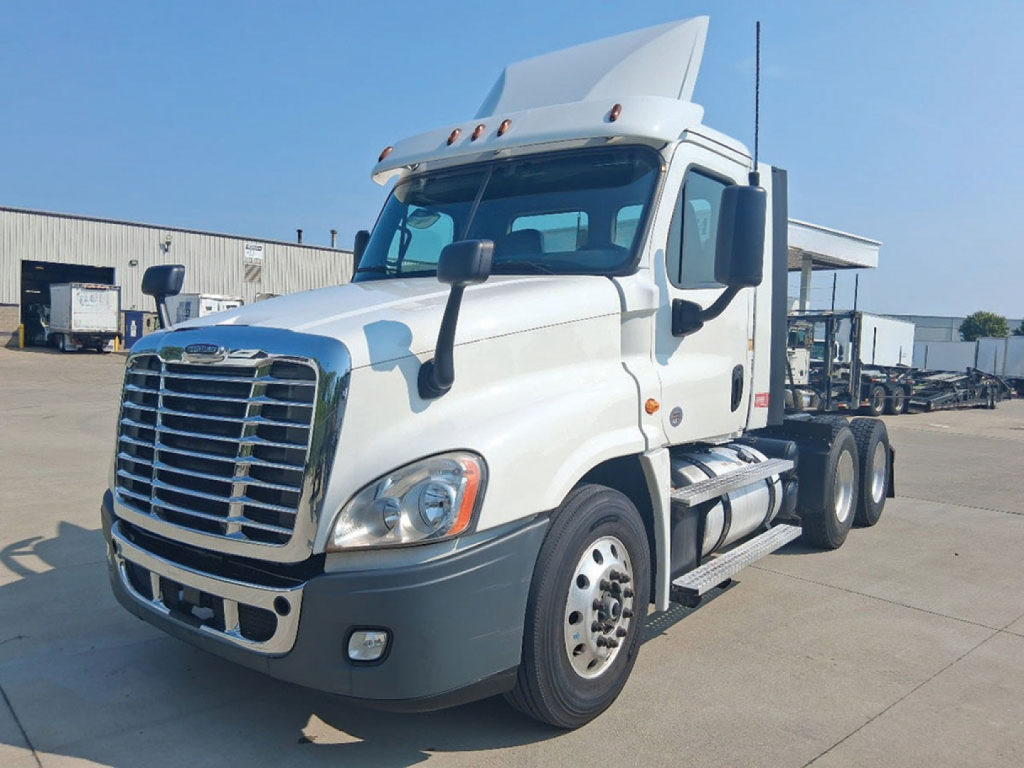
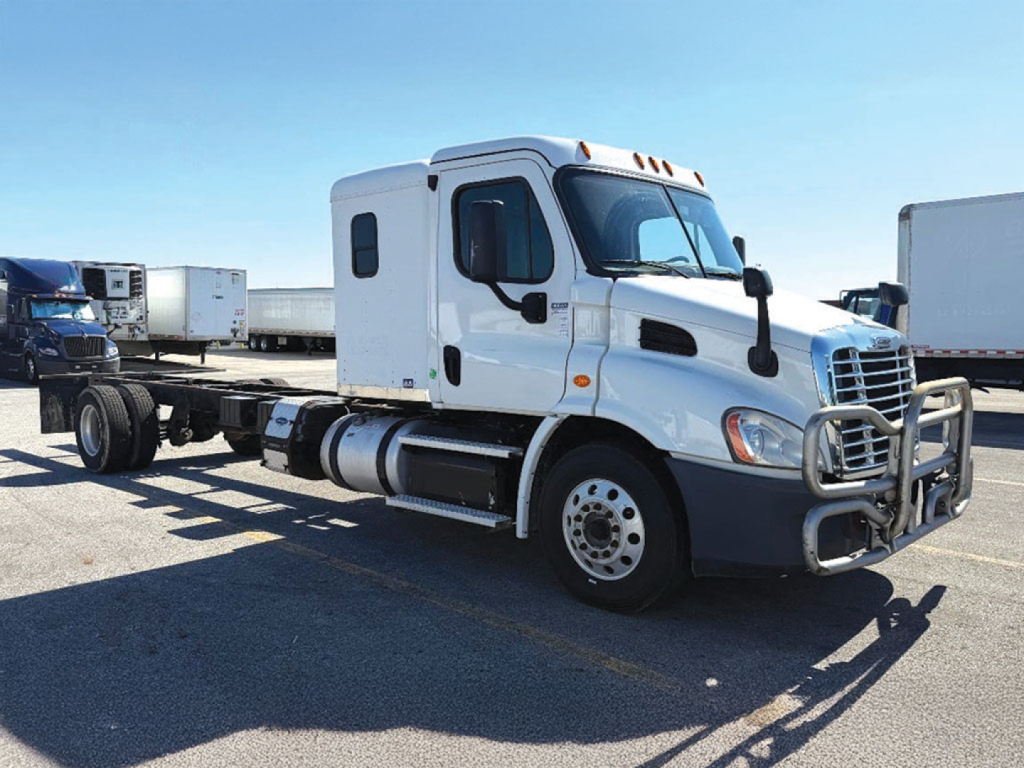
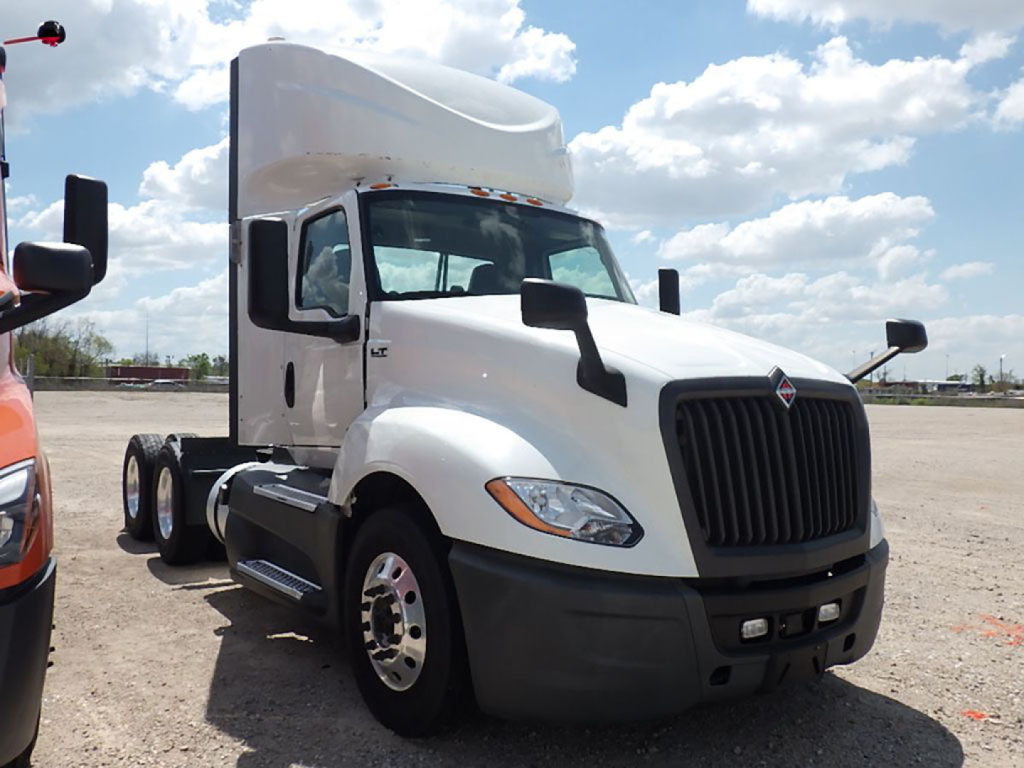
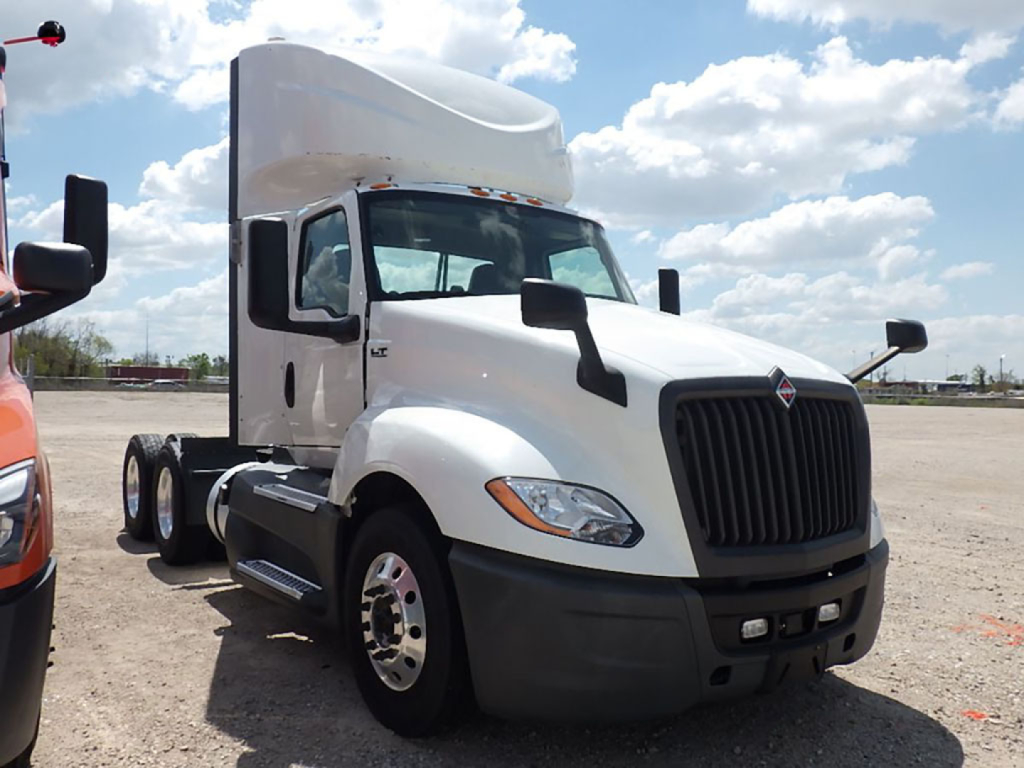
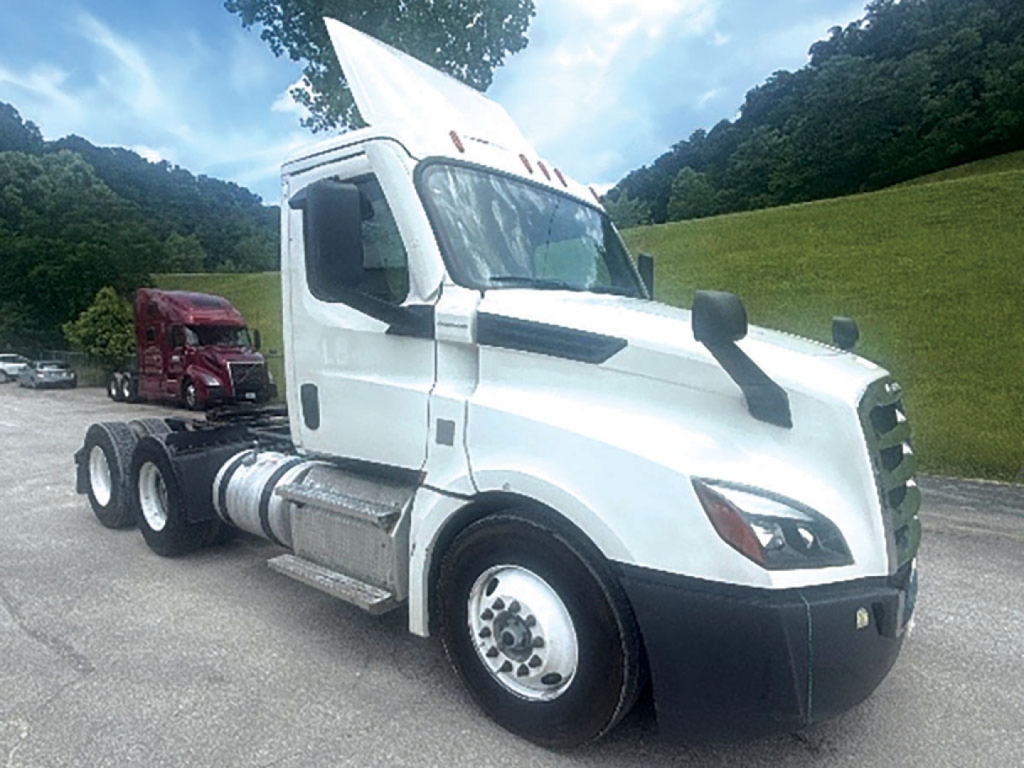
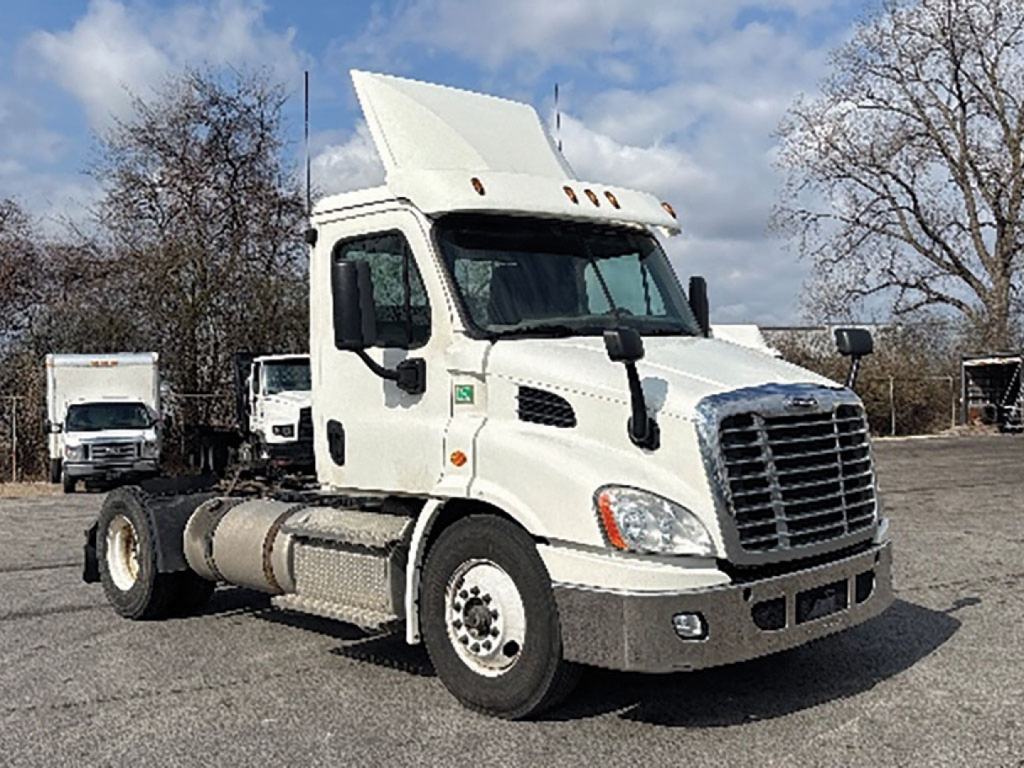
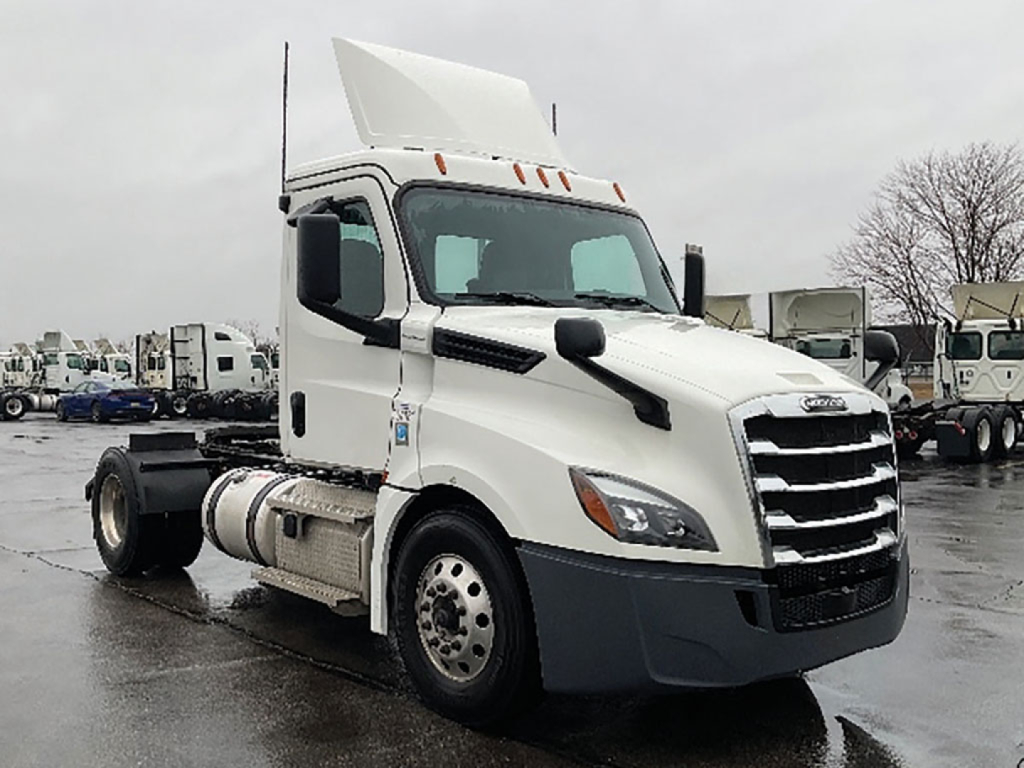
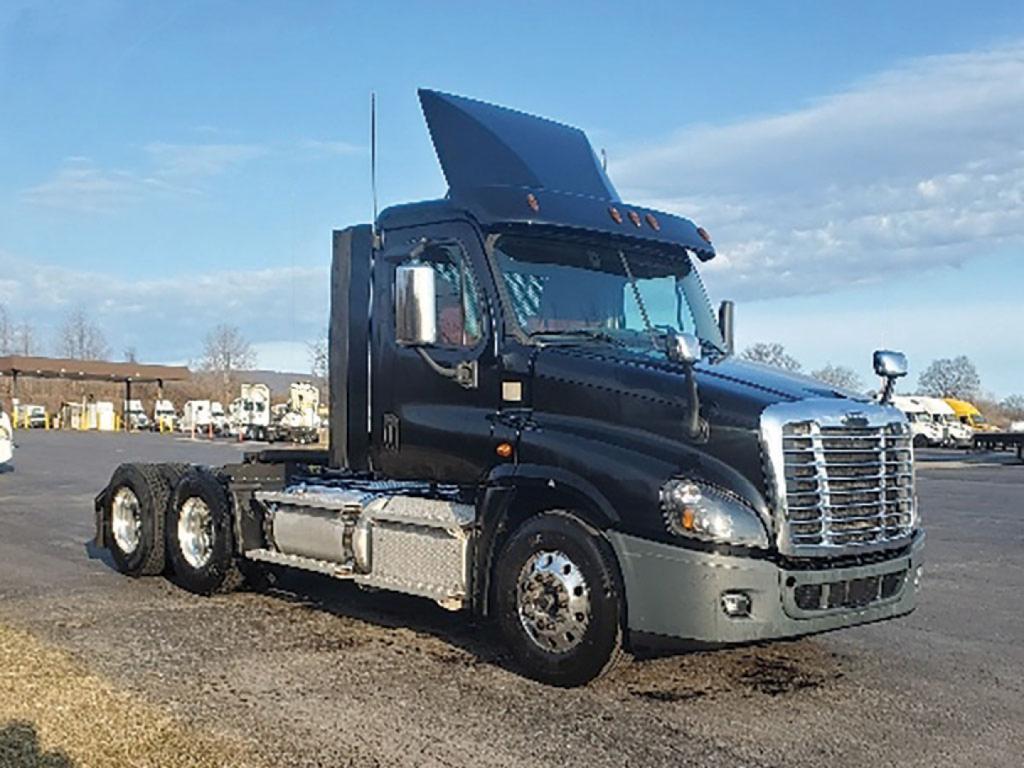
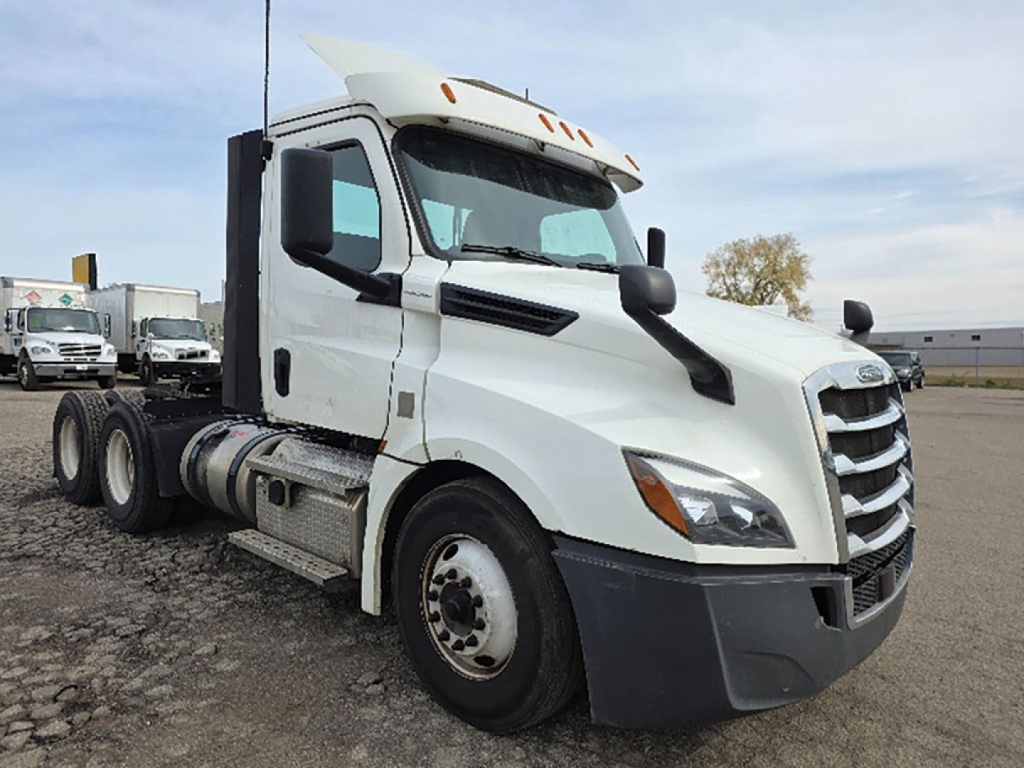
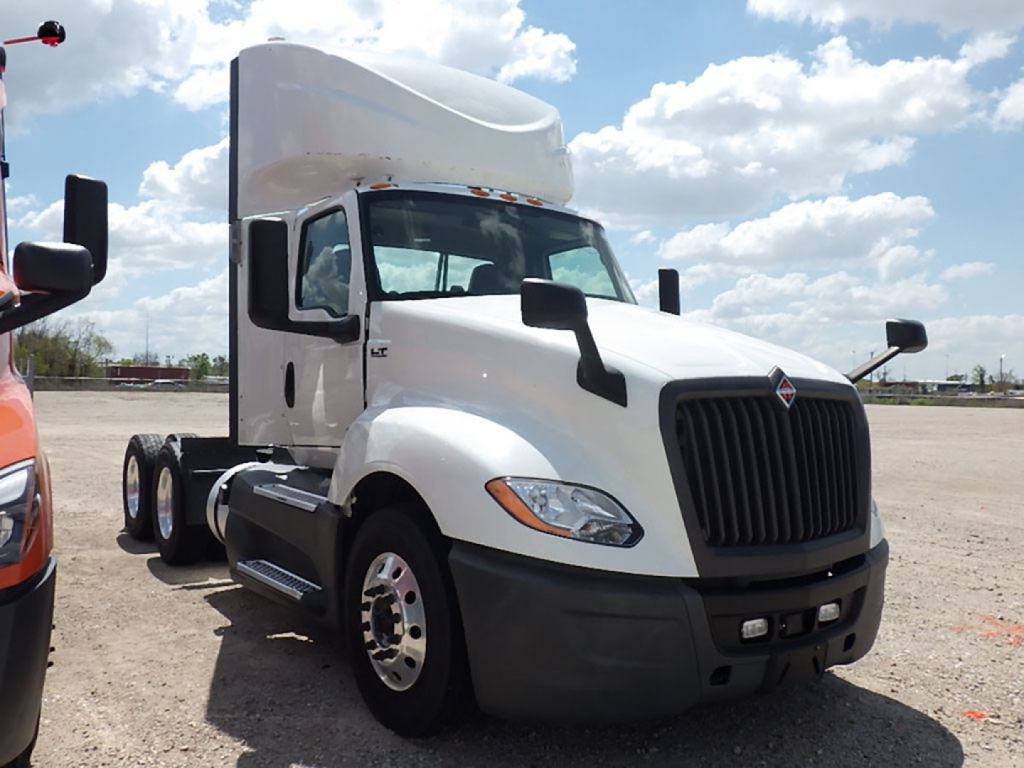
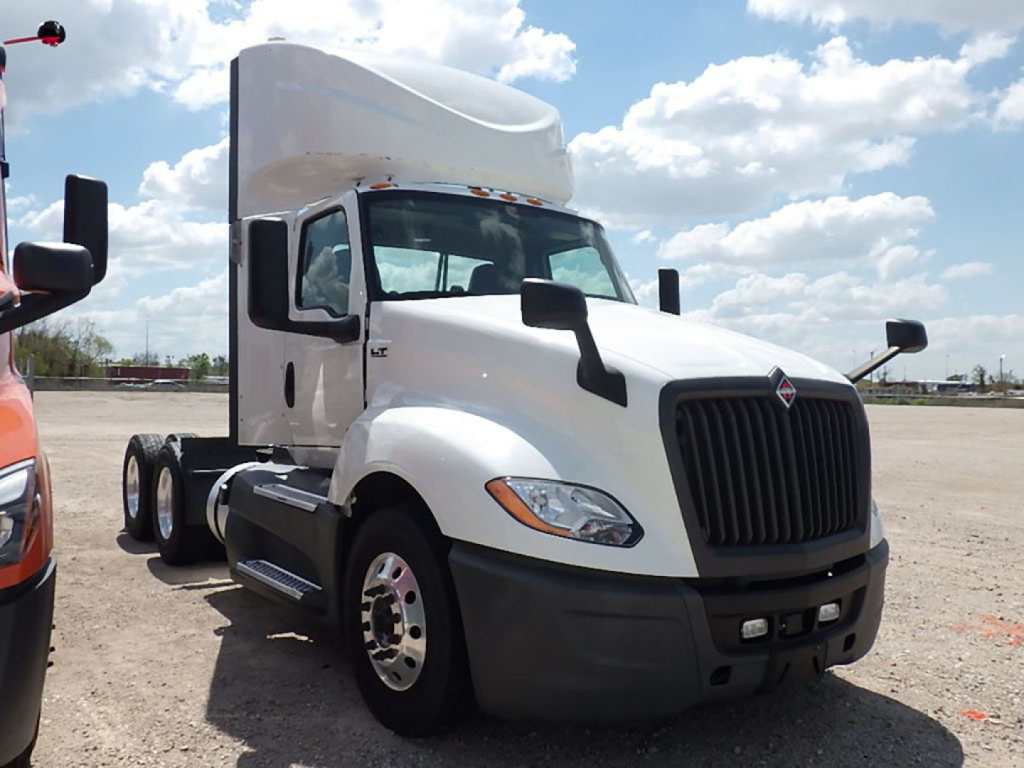
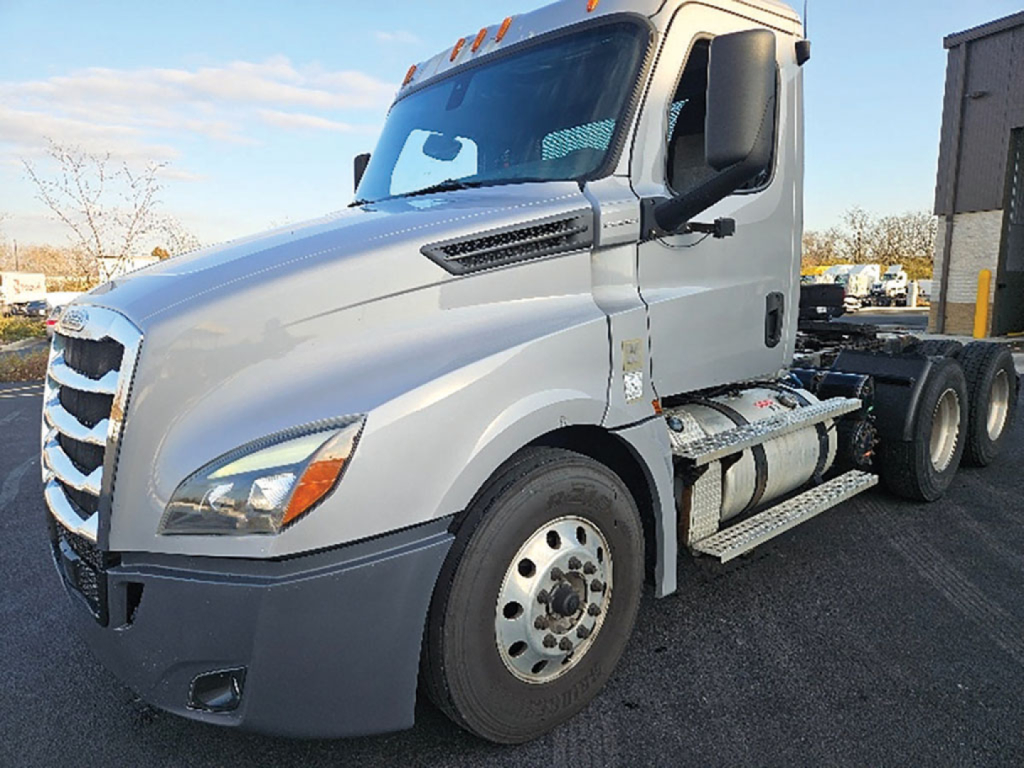
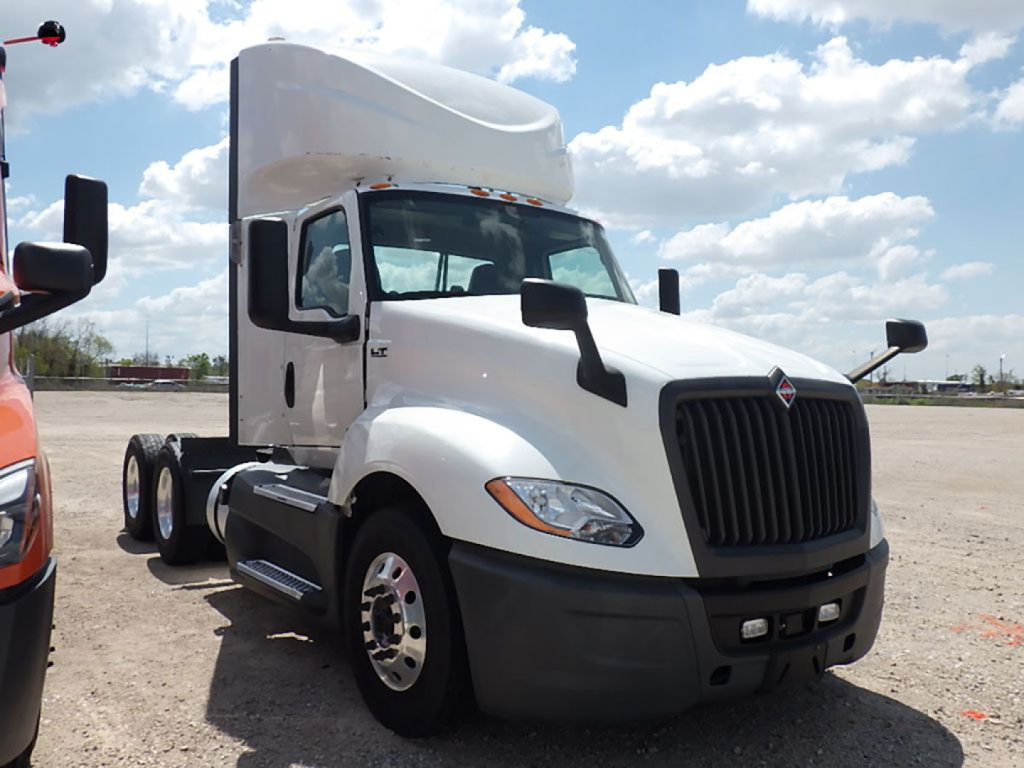
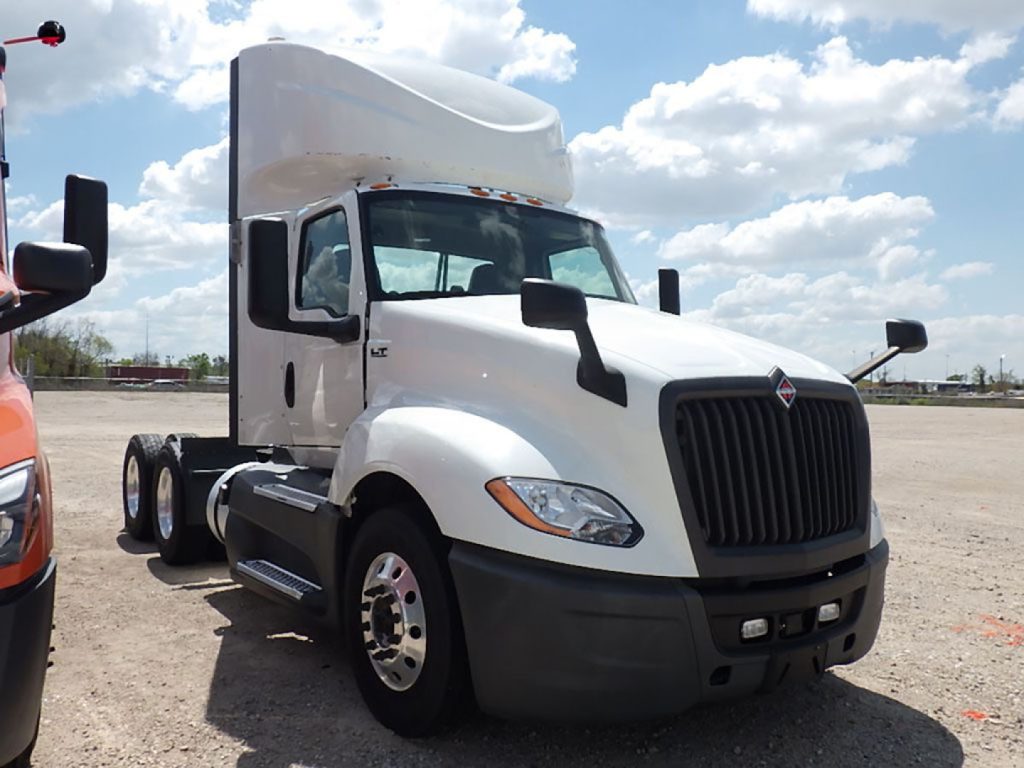

Have used 2020 commercial truck to sell? List it here to reach thousands of buyers.
Used 2020 Commercial Trucks in Pennsylvania
For highway tractors, the most common 2020 powertrains include Cummins X15, Paccar MX, Detroit DD13 or DD15, Volvo D13, and Mack MP7 or MP8 engines paired with automated manual transmissions. Horsepower in this year range commonly falls between 400 and 500 HP, with tandem rear axle ratings around 40,000 pounds on many Class 8 specs. Pennsylvania buyers should pay close attention to rear axle ratio, transmission calibration, and tire setup because those details affect startability in hill country, cruise RPM on the Turnpike, and fuel economy on longer interstate lanes. Day cabs are a strong fit for port, regional, dump, and dedicated trailer work, while high-roof sleepers make more sense for longer dispatch cycles and over-the-road freight.
A used 2020 truck should also be evaluated on the equipment that impacts uptime and driver acceptance. Air ride suspension, disc or drum brake configuration, engine brake, sliding fifth wheel, fairings, fuel capacity, and wheel material all matter in daily operation. Inside the cab, buyers often look for collision mitigation systems, lane departure warning, adaptive cruise, power accessories, and telematics integration because many 2020 fleet trucks were ordered with more driver-assist technology than earlier generations. On Pennsylvania routes with winter weather, stop-and-go traffic, and mixed terrain, tread condition, ABS status, service records, DPF and SCR maintenance history, and any fault code history deserve close review before purchase.
Because 2020 trucks are still modern enough to support broad parts availability and service familiarity, they appeal to both fleets and owner-operators looking for a balanced cost-per-mile. The best spec depends on use case. A short wheelbase day cab with a 2.64 to 3.25 ratio may fit regional van or intermodal work, while a heavier sleeper with a 3.42 or deeper ratio can be better suited for bulk, flatbed, heavier pulls, or mixed-grade operation. Buyers comparing used 2020 trucks for sale in Pennsylvania should focus on maintenance documentation, emissions health, idle hours, axle configuration, and prior application just as much as odometer miles.
Frequently Asked Questions about Used 2020 Commercial Trucks in Pennsylvania
What should I look for first on a used 2020 truck?
Start with the truck's prior application, engine hours, maintenance records, and emissions system history. A 2020 model can still have strong remaining life, but DPF cleanings, SCR repairs, fault code history, and idle time matter as much as mileage. After that, verify axle ratings, wheelbase, transmission type, and rear axle ratio so the truck's spec matches the freight and terrain it will actually run.
Are 2020 trucks a good choice for Pennsylvania operations?
Yes, 2020 trucks are often a strong fit for Pennsylvania because they combine newer cab technology and emissions systems with lower acquisition cost than late-model units. Buyers running through Pittsburgh, Philadelphia, the Turnpike corridor, or hilly regional routes should pay close attention to gearing, engine brake performance, suspension condition, and winter traction setup. A truck that is efficient on flat interstate lanes may feel under-spec'd in western Pennsylvania grades if the ratio is too fast for the load.
What engines and transmissions are common in used 2020 trucks?
Common engines in 2020 highway trucks include the Cummins X15, Detroit DD13 and DD15, Paccar MX-13, Volvo D13, and Mack MP7 or MP8. Most were paired with automated manual transmissions, although some vocational or specialty applications still used manual gearboxes. Buyers should confirm horsepower, torque rating, transmission model, and software calibration because trucks with similar badges can be spec'd very differently for fuel economy, heavy haul, or regional stop-and-go work.
Is a 2020 day cab or sleeper better for my operation?
A 2020 day cab is usually the better fit for local and regional hauling, dedicated lanes, drayage, and vocational trailer work where lower weight, shorter wheelbase, and easier maneuverability matter. A 2020 sleeper is the better choice for over-the-road freight, longer dispatch cycles, and applications where driver retention depends on cab space and storage. The key is not just cab style, but also fuel capacity, wheelbase, fifth wheel travel, and drivetrain spec.
How important is emissions maintenance on a used 2020 truck?
It is critical. By 2020, modern diesel emissions systems were well established, but their condition still has a direct impact on uptime and operating cost. Buyers should review DPF service intervals, DEF system repairs, sensor replacements, parked regeneration frequency, and any records related to EGR, SCR, or aftertreatment faults. A clean service history on the emissions side can be more valuable than cosmetic condition alone.