
Used 2018 Commercial Trucks For Sale in Alabama
Shop used 2018 trucks in Alabama, including Class 8 sleepers, day cabs, and vocational units with specs for regional, long-haul, and jobsite work.
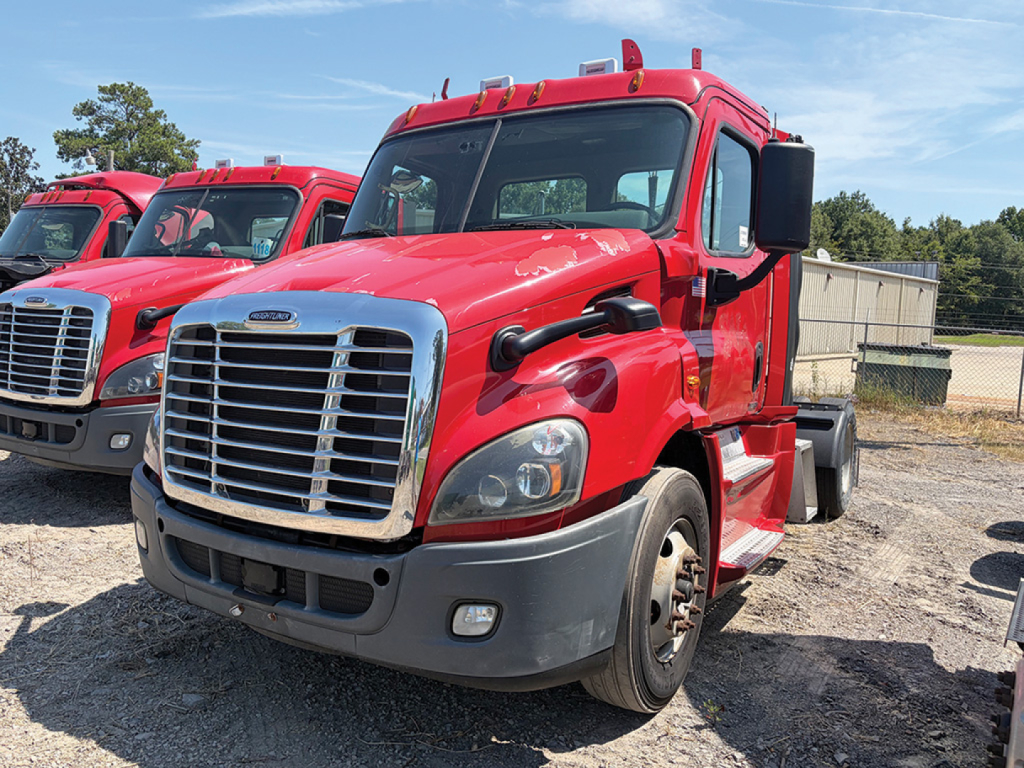
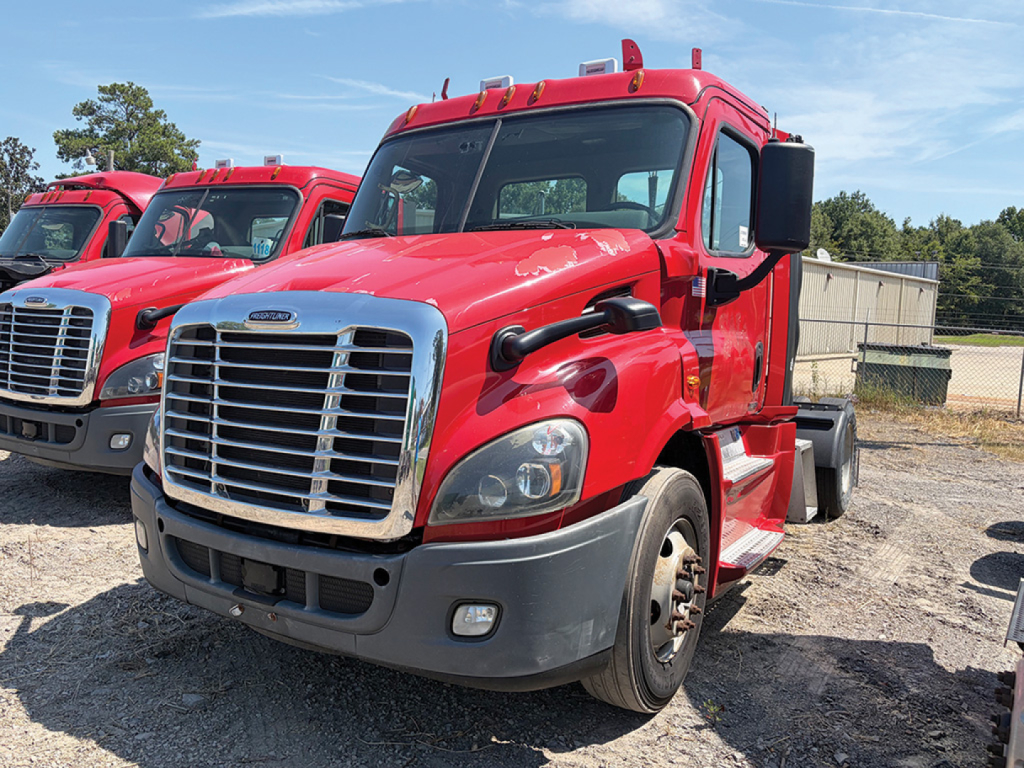
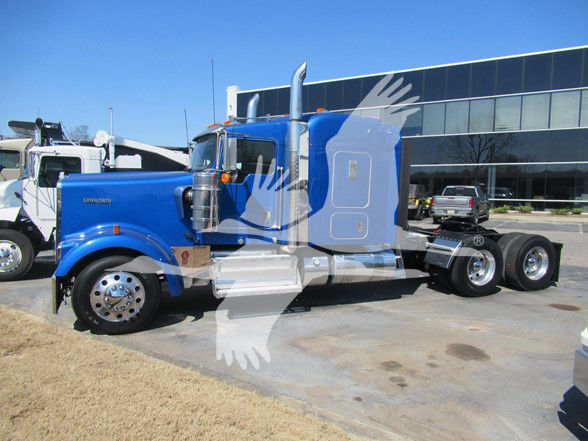

Have used 2018 commercial truck to sell? List it here to reach thousands of buyers.
Used 2018 Commercial Trucks in Alabama
For highway trucks, common 2018 specs in Alabama include tandem axle 6x4 configurations, automated manual transmissions, air ride suspension, and diesel engines in the 400 to 500 horsepower range. Day cabs are typically chosen for regional freight, port work, dedicated lanes, and short-cycle trailer moves. Sleeper trucks, also known as road tractors or conventional sleepers, are better suited for longer haul operations where wheelbase, fuel capacity, sleeper height, and bunk layout matter. Buyers should pay close attention to rear axle ratio, wheelbase, fifth wheel type, and suspension setup because those details affect fuel economy, trailer compatibility, turning radius, and how well the truck matches its intended route structure.
For vocational and medium-duty 2018 trucks, application-specific equipment matters more than cosmetic condition. In Alabama, that often means reviewing PTO operation, body condition, hydraulic systems, outrigger condition, boom or crane function, and any signs of frame modification or corrosion around mounting points. A utility truck, boom truck, dump truck, or loader truck needs to be evaluated as both a chassis and a working tool. Engine hours, idle time, brake type, front axle capacity, and body manufacturer can be just as important as mileage. If the truck will stay local, buyers may prioritize maneuverability and PTO performance. If it will run between jobs or across counties, road speed, gearing, and cab comfort start to matter more.
A used 2018 truck buyer should also look closely at maintenance history, emissions service records, tire condition, brake life, and signs of prior fleet maintenance. Alabama operators often need equipment that can handle heat, humidity, mixed interstate and secondary road use, and occasional heavy payload demands. Trucks from this year may include collision mitigation systems, telematics compatibility, and proven engine and transmission combinations that are still widely supported by dealer and aftermarket service networks. The best 2018 truck is the one with a spec that fits the work, a service history that makes sense, and a chassis configuration that will not force compromises after the sale.
Frequently Asked Questions about Used 2018 Commercial Trucks in Alabama
What should I look for first when buying a used 2018 truck in Alabama?
Start with the intended application. A 2018 sleeper tractor, day cab, and vocational truck can all be the same model year but serve completely different jobs. After identifying the use case, review the chassis specs that affect performance and compatibility, including axle configuration, wheelbase, engine rating, transmission type, rear axle ratio, GVWR, and suspension. In Alabama, it also makes sense to inspect cooling system condition, A/C performance, tire wear, and brake condition because trucks often see hot weather and mixed highway and local service.
Is a 2018 truck a good value compared with newer used trucks?
For many buyers, yes. A 2018 truck often sits in a useful middle ground where the purchase price is more accessible than a newer unit, but the truck can still offer modern drivetrains, better cab ergonomics, updated safety systems, and strong parts availability. The real value depends on miles, engine hours, maintenance records, prior application, and overall spec. A well-maintained 2018 truck with the right configuration can be a better buy than a newer truck with the wrong gearing, wheelbase, or body setup.
What are common specs for used 2018 highway trucks?
Many used 2018 highway trucks are Class 8 conventionals with tandem rear axles, 6x4 drivetrains, diesel engines in the 400 to 500 horsepower range, and either automated manual or manual transmissions. Day cabs often have shorter wheelbases for regional hauling and terminal work, while sleeper trucks typically include larger fuel capacity, sliding fifth wheels, and mid-roof or raised-roof sleeper configurations. Rear axle ratios and transmission calibration are important because they directly affect cruise RPM, gradeability, and fuel economy.
How important is maintenance history on a used 2018 truck?
Maintenance history is one of the most important parts of the buying decision. On a 2018 truck, service records can confirm oil change intervals, emissions repairs, transmission service, suspension work, brake replacement, and major component history. Records also help explain how the truck was used, such as long-haul fleet service versus stop-and-go vocational duty. A clean maintenance file will not guarantee a trouble-free truck, but it gives a buyer a much clearer picture of remaining life and likely near-term repair needs.
Are 2018 vocational trucks evaluated differently than 2018 road tractors?
Yes. A road tractor is evaluated heavily on powertrain spec, mileage, axle ratio, wheelbase, and trailer compatibility. A vocational truck requires those same checks, but also needs close inspection of the upfit and work equipment. Buyers should inspect hydraulic functions, PTO engagement, body mounts, frame condition, outrigger operation, boom wear points, and any auxiliary systems tied to the job application. On many vocational trucks, the body and installed equipment can drive the buying decision just as much as the cab and engine.