
Used 2016 Commercial Trucks For Sale in North Carolina
Browse used 2016 trucks for sale in North Carolina, including day cabs, sleepers, and straight trucks with diesel powertrain options.
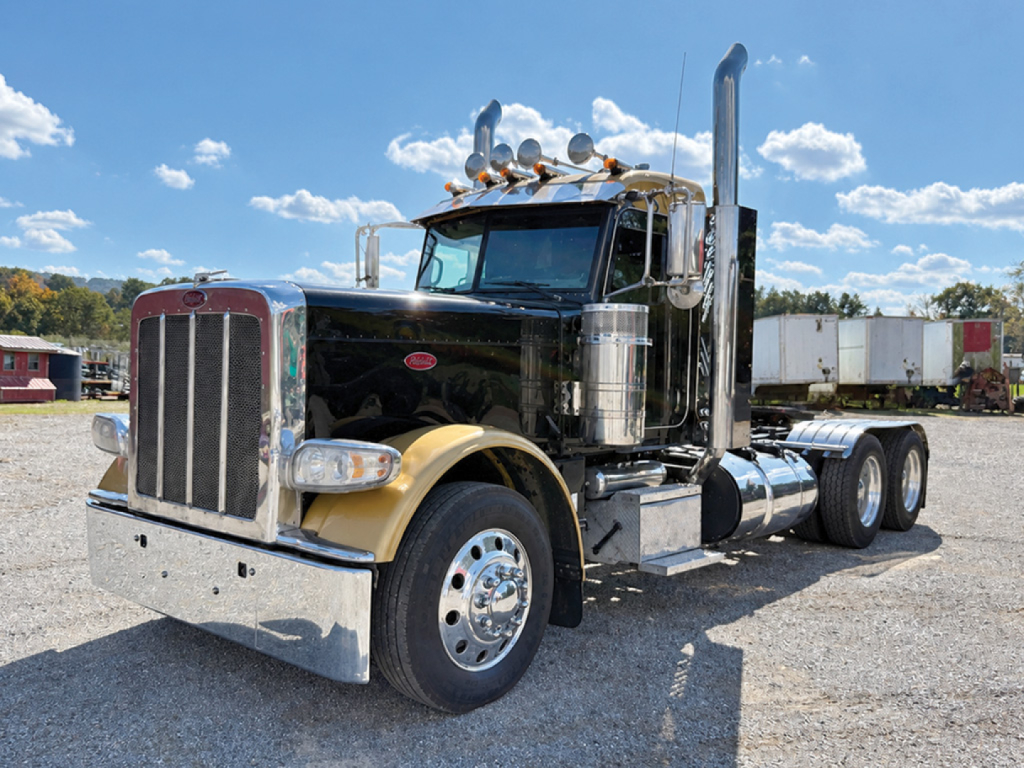
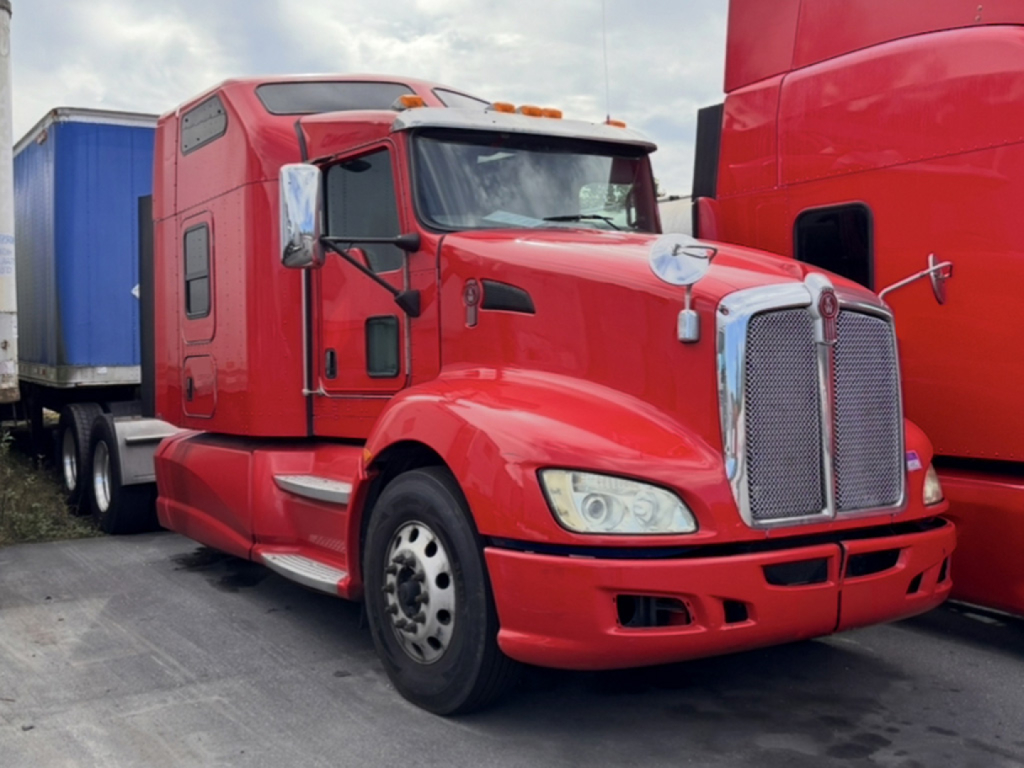
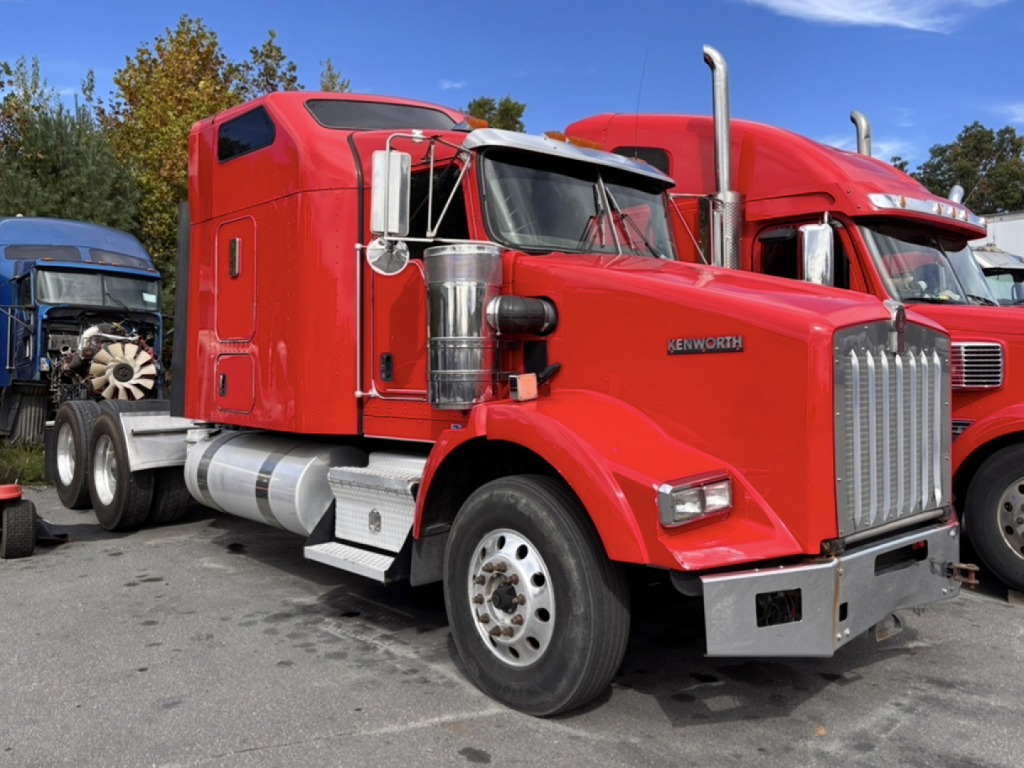
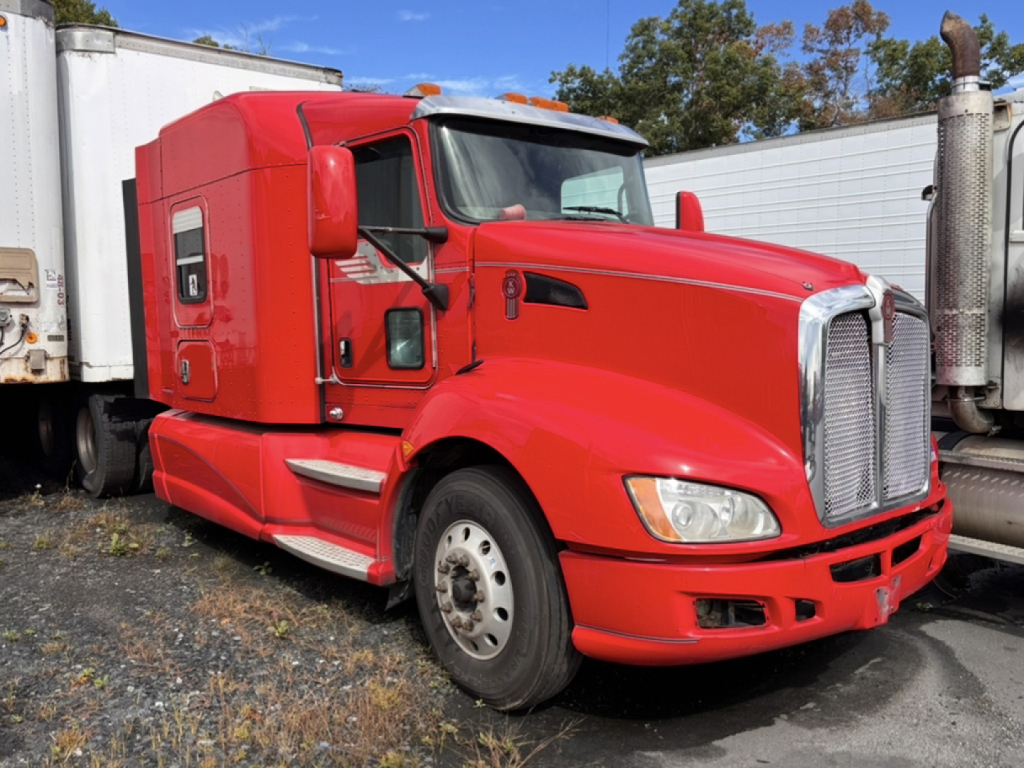

Selling a used 2016 commercial truck? List your used 2016 commercial truck for sale and reach thousands of commercial buyers.
Used 2016 Commercial Trucks in North Carolina
The first buying decision is usually truck type. On-highway tractors in this year group commonly include conventional sleeper and conventional day cab configurations, with tandem rear axles, air ride suspension, and automated or manual transmissions. Typical engines in the 2016 market include Cummins, Detroit, Paccar, Volvo, and Navistar platforms, often rated anywhere from the mid-300s to 500 horsepower depending on application. Rear axle ratios, wheelbase, fuel capacity, and fifth wheel setup matter more than headline horsepower alone. A regional day cab with a 3.08 or 3.36 ratio, for example, is a different tool than a sleeper spec'd for heavier gross weights or more mountainous lanes. If the truck is a straight truck, buyers should look closely at body length, liftgate capacity, floor condition, E-track, scuff liners, and door configuration in addition to the chassis specs.
In North Carolina, application and terrain should influence the spec you target. Trucks running I-40, I-85, Charlotte freight lanes, port-related freight, or Appalachian grades benefit from the right balance of engine brake performance, gearing, and cooling system condition. For regional carriers, an aerodynamic sleeper or day cab can help with fuel economy, while local vocational or delivery work may place more value on tighter wheelbase, automatic transmission choice, and easier cab access. On any used 2016 truck, service history is critical. Buyers should pay close attention to aftertreatment maintenance, transmission calibration and clutch wear if equipped, suspension condition, brake type, tire wear patterns, and signs of frame or body corrosion. ECM downloads, idle hours, and prior use case often tell more than odometer miles by themselves.
A good 2016 truck should be matched to the freight first and the badge second. Cab configuration, axle rating, PTO provision, wheelbase, and body or trailer interface will determine how productive the truck is in daily use. For tractor buyers, check kingpin setting compatibility, sliding fifth wheel travel, fairings, and tank placement. For straight truck buyers, confirm cargo box specs and rear access equipment against the loads you actually haul. The strongest value in this category usually comes from a truck with a clear maintenance record, a proven engine and transmission combination, and a spec that fits your lane, payload, and operating radius without unnecessary extras.
Frequently Asked Questions about Used 2016 Commercial Trucks in North Carolina
What types of used 2016 trucks are most common in North Carolina?
Used 2016 trucks in North Carolina typically include conventional sleeper tractors, conventional day cabs, and medium-duty straight trucks such as van bodies or box trucks. The mix reflects the state's freight profile, which includes long-haul interstate traffic, regional distribution, port-related movement, and local delivery work. Buyers will usually see both tandem-axle highway tractors and single-axle medium-duty chassis depending on the intended application.
Is a 2016 truck a good model year for fleet or owner-operator use?
A 2016 truck can be a strong fit for both fleets and owner-operators if the maintenance history is solid and the spec matches the job. This model year is old enough to offer lower acquisition cost than newer late-model trucks, but still modern enough to provide good cab comfort, broad parts availability, and common engine and transmission platforms. The real value depends on prior use, emissions system condition, and how well the truck was maintained.
What should I inspect first on a used 2016 diesel truck?
Start with the engine, aftertreatment system, transmission, and rear axle specs, then move to brakes, suspension, tires, and frame condition. On emissions-era trucks, DPF and DEF system service records are especially important. Buyers should also review ECM data, engine hours, idle time, fluid leak history, and any signs of recurring electrical or fault-code issues. For straight trucks, body condition and liftgate operation should be inspected as closely as the chassis.
Which specs matter most when comparing used 2016 tractors?
The most important tractor specs are engine rating, transmission type, rear axle ratio, wheelbase, suspension, fuel capacity, and fifth wheel configuration. These determine how the truck performs in your actual operation. A day cab for regional freight, a sleeper for long-haul lanes, and a heavier-haul spec for tougher terrain can all have very different ideal setups even within the same model year.
Are used 2016 straight trucks a practical option for delivery work?
Yes, used 2016 straight trucks are often a practical choice for local and regional delivery because they can provide a lower purchase cost while still offering dependable medium-duty diesel powertrains and body options. Buyers should verify cargo box length, floor integrity, scuff protection, E-track, roll-up door condition, and liftgate capacity. For route work, transmission type, turning radius, and cab entry height can also make a major difference in day-to-day productivity.