
Used 2016 Trucks For Sale in Maine
Browse used 2016 trucks for sale in Maine, including medium and heavy-duty work trucks with diesel power, PTO options, and vocational bodies.
Learn more
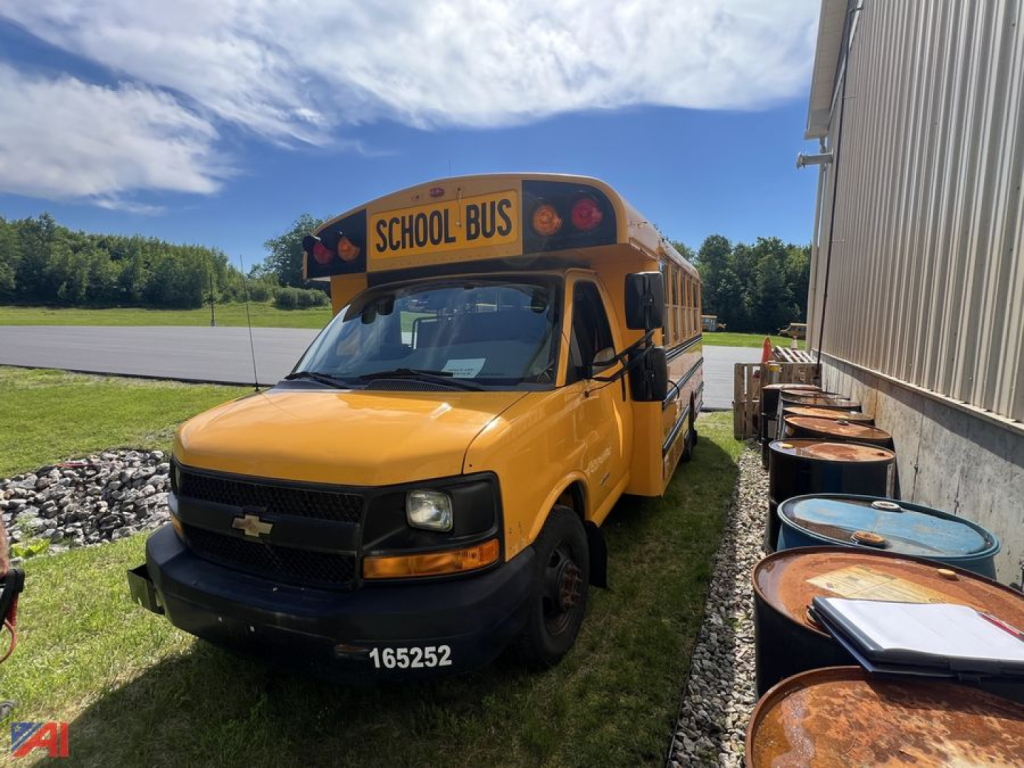
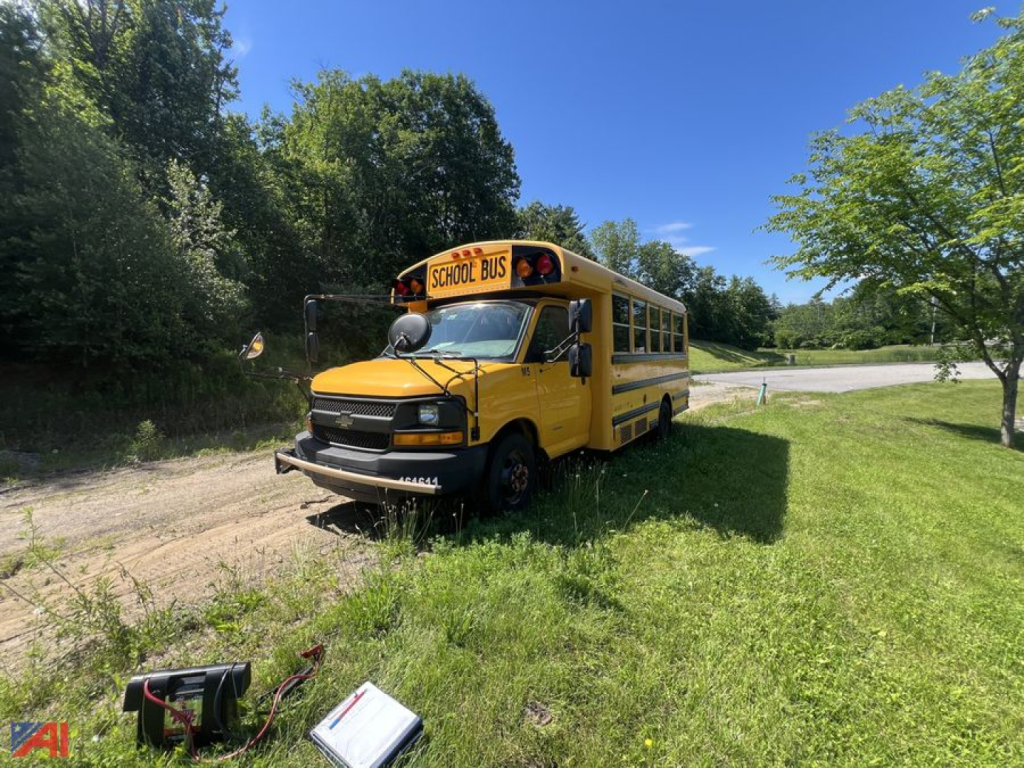
Have used 2016 truck to sell? List it here to reach thousands of buyers.
About Used 2016 Trucks in Maine
The biggest buying decision is application. A 2016 truck can range from a light-duty van or cutaway to a Class 8 vocational chassis. In Maine, that usually means looking closely at corrosion, frame condition, cab corners, brake lines, wiring, crossmembers, suspension hangers, and body mounts. Rust matters as much as mileage on older northern trucks. Diesel models from this era may include DEF-equipped emissions systems, so service records for the DPF, SCR components, EGR system, injectors, and turbocharger are worth reviewing. On gas-powered units, pay attention to transmission history, cooling system condition, and idle hours if the truck served municipal or school duty.
Specs should match the work. Medium-duty trucks commonly use GVWR ranges from 14,000 to 33,000 pounds and are often set up for delivery, utility, landscape, towing, bus, or contractor use. Heavy-duty vocational trucks may carry larger front axles, locking rears, air ride or spring suspension, and manual, automated manual, or automatic transmissions depending on the job. Wheelbase affects body length and turning radius. Rear axle ratio affects launch, gradeability, and cruise RPM. If the truck has a service body, dump body, tank, box, bus configuration, or passenger setup, inspect the upfit as carefully as the chassis. Hydraulic systems, pumps, liftgates, school bus seating, emergency equipment, and tank certifications can drive total ownership cost faster than the engine itself.
A used 2016 truck buyer should also account for Maine operating conditions. Cold-weather starts, heater performance, block heater operation, tire type, traction setup, and the condition of batteries and charging systems all matter in northern service. Look for maintenance records that show regular fluid changes, brake work, suspension repairs, and state inspection history. A clean pre-purchase inspection should include fault-code scans, blow-by check, brake measurement, suspension wear, driveline condition, and verification that VIN, door tag, axle ratings, and body configuration all align with the intended application. The best value in this category is a truck with the right spec for the job, a solid frame, documented maintenance, and no mismatch between chassis capacity and body demands.
Frequently Asked Questions
What should I check first on a used 2016 truck in Maine?
Start with frame and underbody condition. Maine trucks often see road salt, so corrosion on frame rails, brake lines, fuel tanks, crossmembers, spring mounts, cab supports, and wiring can be more important than odometer reading. After rust inspection, review engine hours, maintenance records, tire condition, brake life, and any active fault codes. If the truck has a vocational body or passenger configuration, inspect that equipment separately because body repairs and hydraulic or electrical issues can add significant cost.
Are 2016 diesel trucks a good value for commercial buyers?
2016 diesel trucks can be a strong value because they usually offer modern power, better cab comfort, and broad parts availability without the price of newer late-model equipment. The key is emissions-system condition. Buyers should confirm proper operation of the DPF, DEF, SCR, EGR, and related sensors, and look for documentation of any recent repairs. A well-maintained 2016 diesel can deliver many more service miles, but deferred emissions maintenance can quickly erase the savings of a lower purchase price.
How do I choose the right 2016 truck class for my operation?
Match the truck to payload, body type, route profile, and licensing requirements. Light-duty and cutaway trucks fit passenger, small delivery, and service work. Medium-duty trucks are common for box trucks, dumps, utility bodies, and buses. Heavy-duty trucks are better suited for tank, severe-service, and high-GVWR vocational applications. Check GVWR, GAWR, wheelbase, engine horsepower, torque, transmission type, and rear axle ratio to make sure the truck is built for the work instead of merely capable of moving it.
Does mileage matter more than hours on a used 2016 truck?
Not always. Mileage is important for chassis wear, but engine hours can tell you more about idle-heavy applications such as municipal service, school transportation, utility work, and PTO use. A truck with moderate miles but very high idle hours may show more engine wear, emissions-system loading, and cooling-system stress than expected. The best evaluation uses both numbers along with maintenance history, ECM data, and the truck's prior job type.
What makes one used 2016 truck listing better than another?
The best listings usually show a truck with a clear application match, complete maintenance history, consistent specs, and signs of proper fleet care. Buyers should favor units with documented service intervals, clean titles, readable data plates, matching tire sizes, straight frame rails, and no evidence of overload or poor repairs. On body-equipped trucks, a sound upfit with working PTO, hydraulics, liftgate, seating, or tank components can make a major difference in real operating value.