
Used 2016 Commercial Trucks For Sale in Alabama
Browse used 2016 trucks for sale in Alabama, including medium-duty and heavy-duty models for hauling, vocational work, regional routes, and fleets.
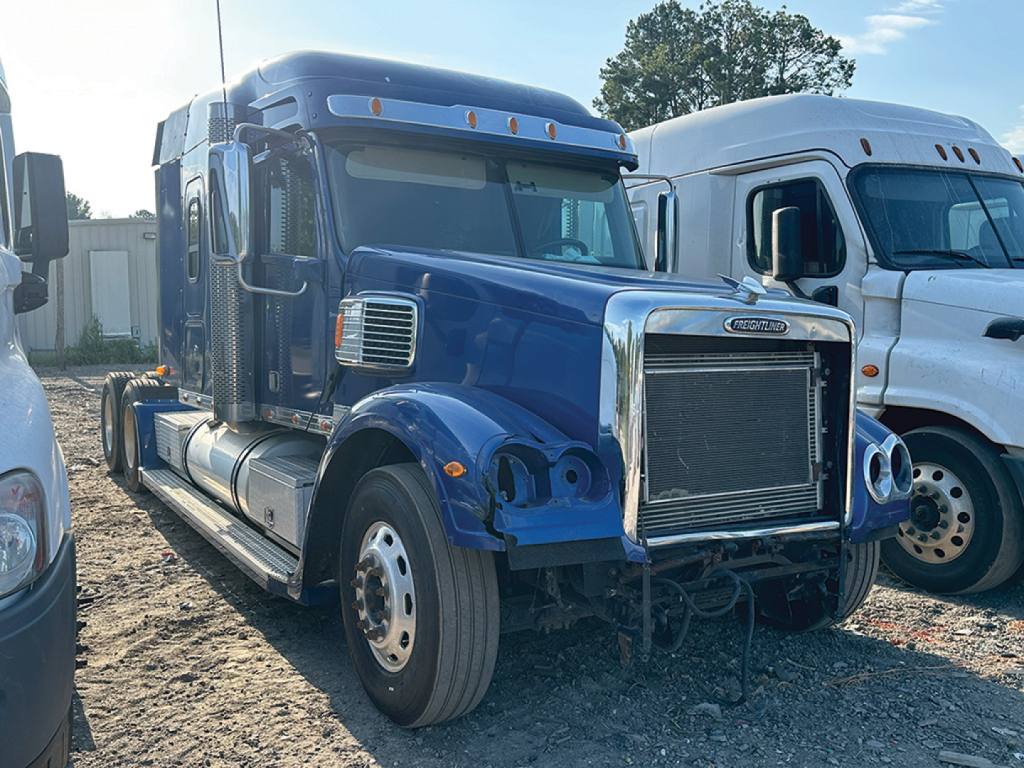

Have used 2016 commercial truck to sell? List it here to reach thousands of buyers.
Used 2016 Commercial Trucks in Alabama
For highway tractors, 2016 trucks commonly show up with 6x4 tandem drive layouts, air ride suspension, 10-speed, 13-speed, or automated manual transmissions, and horsepower ratings suited for regional or over-the-road service. A buyer comparing a day cab to a sleeper should pay close attention to wheelbase, rear axle ratio, fifth wheel type, and fuel capacity. In Alabama, route profile matters. A truck running I-65 or I-20 in regional freight may be geared differently than one set up for vocational work, lowboy hauling, or heavier stop-and-go service. Engine history is critical on any used 2016 truck, especially emissions-related maintenance involving DPF, DEF, EGR, and aftertreatment components.
On the vocational side, 2016 trucks can include dump trucks, utility trucks, service bodies, and other work-focused configurations. These units are often selected less by mileage alone and more by frame condition, PTO operation, hydraulic performance, axle ratings, and body integrity. For dump applications, buyers should inspect hoist condition, floor and sidewall wear, suspension type, and tire match across the rear. For service and utility setups, look at compartment layout, generator or compressor provisions, bed corrosion, and whether the chassis GVWR fits the tools and material load the truck is expected to carry. In used vocational trucks, maintenance records and evidence of municipal or fleet care can be just as important as powertrain specs.
A strong 2016 truck should be evaluated as a total operating package. Check miles versus engine hours, cold-start behavior, blow-by, transmission engagement, suspension wear, brake condition, steer tire wear pattern, and signs of frame repair or body damage. Alabama buyers should also consider rust exposure, especially on units that may have spent time outside the Southeast before resale. The best used 2016 trucks are the ones with a clear service history, the right spec for the intended work, and enough remaining life in the driveline, chassis, and body to keep cost per mile or cost per hour under control.
Frequently Asked Questions about Used 2016 Commercial Trucks in Alabama
What should I look for first when buying a used 2016 truck?
Start with application fit before you look at cosmetic condition. Confirm the truck’s GVWR or GCWR, axle configuration, wheelbase, engine horsepower, transmission type, and rear axle ratio all match the work it will do. After that, review maintenance records, engine hours, emissions system service, tire condition, brake wear, suspension wear, and any signs of frame damage or body repairs. A truck with average appearance and strong maintenance history is usually a better buy than a cleaner truck with weak service documentation.
Are 2016 trucks a good value for fleet or owner-operator use?
Yes, 2016 trucks often represent a useful middle ground between price and capability. They are old enough to cost less than newer late-model trucks, but recent enough to offer modern power, cab comfort, and common parts availability across many makes. The real value depends on prior use and maintenance. A fleet-maintained 2016 tractor or vocational truck with documented repairs can deliver strong service life, while a poorly maintained unit can become expensive quickly through downtime and aftertreatment repairs.
How important is emissions system history on a used 2016 diesel truck?
It is one of the most important parts of the inspection. Most 2016 diesel trucks rely on emissions components such as DPF, DEF, SCR, and EGR systems, and repairs in these areas can be costly. Buyers should ask for records showing forced regens, sensor replacements, DEF system work, injector history, and any aftertreatment cleaning or replacement. Fault codes, derate history, and signs of deleted or altered emissions equipment should also be checked carefully, especially for buyers who need a truck that can stay compliant and avoid downtime.
What is the difference between buying a 2016 day cab, sleeper, and vocational truck?
The difference is mainly in the duty cycle and chassis setup. A 2016 day cab is usually chosen for local or regional hauling, shorter turns, and easier maneuverability. A sleeper is better suited for over-the-road work, longer dispatches, and higher onboard fuel and driver comfort needs. A vocational truck such as a dump or service truck is built around body equipment, PTO function, axle ratings, and durability under jobsite conditions. The right choice depends on route length, payload, trailer type, and how often the truck operates off-highway or under load at low speed.
Why do miles and engine hours both matter on a used 2016 truck?
Miles show how far the truck has traveled, but engine hours show how long the engine has actually run. This matters because a truck can have moderate miles but high idle time, which increases wear on the engine and emissions system. High-hour trucks are common in vocational work, municipal service, and some regional operations with long idle periods or PTO use. Comparing miles to hours gives a more accurate picture of total wear, especially when evaluating engine condition, maintenance intervals, and expected remaining service life.