
Used 2012 Commercial Trucks For Sale in Texas
Browse used 2012 trucks for sale in Texas, including day cabs, sleepers, and straight trucks with specs that fit regional and long-haul work.

Have used 2012 commercial truck to sell? List it here to reach thousands of buyers.
Used 2012 Commercial Trucks in Texas
For 2012 model trucks, engine and emissions spec matter as much as make and model. Most trucks from this year run diesel particulate filter and DEF-based SCR emissions systems, so service history on the aftertreatment side is important. Common engines in this class include Cummins ISX and ISB variants, Detroit DD13 and DD15, Paccar MX engines, Volvo D11 and D13, and medium-duty platforms such as the PX-6 or PX-8. Transmission choices can range from Fuller manual boxes to Allison automatics and automated manuals, depending on whether the truck was ordered for highway, stop-and-go, or vocational service. Rear axle ratings, suspension type, and gear ratio should line up with the freight and terrain. Texas operators often pay close attention to cooling system condition, A/C performance, and signs of idling wear because of the climate and long operating hours.
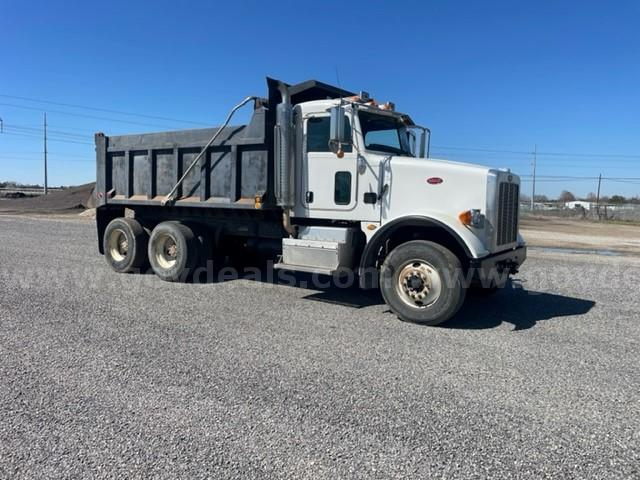
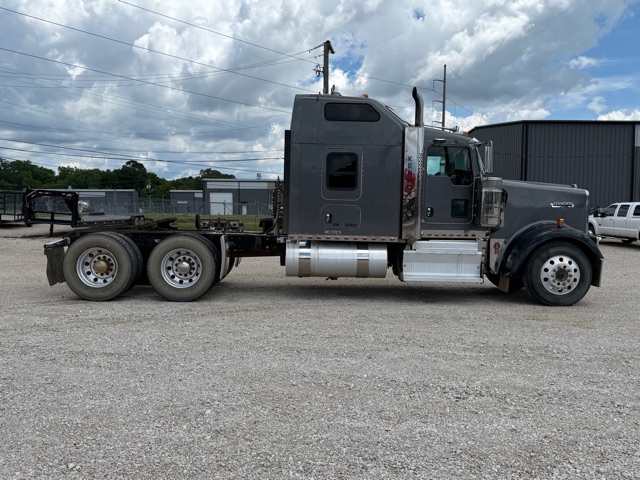
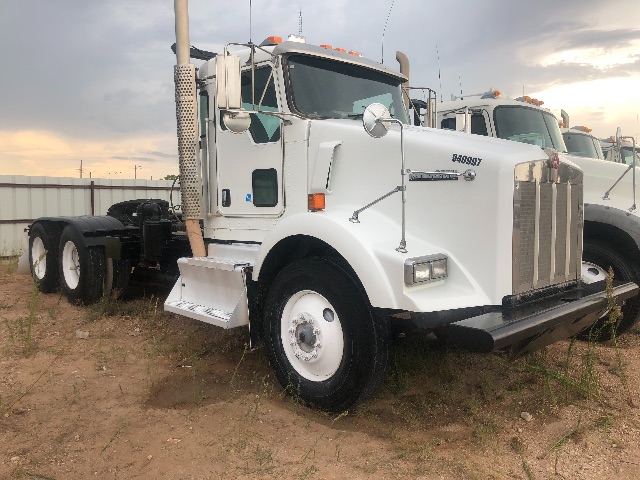
Cab configuration has a direct effect on value and usability. A 2012 conventional sleeper tractor, also known as a road tractor or semi truck, may offer 72-inch to 80-inch sleeper sizes, fairings, dual fuel tanks, and sliding fifth wheels for longer runs. A 2012 day cab usually brings a shorter wheelbase and lower tare weight, which can help in tight yards, port work, and regional drop-and-hook operations. Straight trucks from this year may include van bodies, flatbeds, dumps, service bodies, or reefer bodies, and buyers should inspect body condition as closely as the chassis. Wheelbase, frame modifications, PTO setup, brake type, and tire size all affect how easily the truck can be repurposed.
For a used 2012 truck, condition is everything. Engine hours, ECM data, maintenance records, clutch or transmission wear, suspension condition, and evidence of aftertreatment repairs can tell you more than the odometer alone. In Texas, buyers also tend to look for clean frame rails, minimal corrosion, and axle, kingpin, and bushing wear that matches the truck’s claimed use. The best 2012 trucks are usually the ones with a clear maintenance pattern, the right spec for the job, and no mismatch between axle ratings, body type, and intended payload.
Frequently Asked Questions about Used 2012 Commercial Trucks in Texas
What should I check first on a used 2012 truck?
Start with the engine, emissions system, and service history. On a 2012 truck, the diesel particulate filter, DEF system, sensors, and related aftertreatment components are major cost areas, so repair records matter. After that, check ECM miles and hours, transmission operation, suspension wear, brake condition, tire wear patterns, and any frame or body modifications. A truck with average cosmetics but strong records is usually a better buy than one that looks clean but has no maintenance documentation.
Are 2012 trucks a good choice for Texas operations?
They can be, especially for buyers who want a lower purchase price and a truck with established parts availability. Texas use puts extra attention on cooling systems, air conditioning, radiator condition, and signs of extended idle time. Highway tractors may do well on long regional routes, while day cabs and straight trucks are common for metro delivery, oilfield support, and construction-related work. The best fit depends on axle rating, gearing, cab style, and whether the truck was built for local or over-the-road service.
What engines are common in used 2012 trucks?
Common 2012 truck engines include Cummins ISX and ISB families, Detroit DD13 and DD15, Paccar MX series, Volvo D11 and D13, and medium-duty engines such as the PX-6 or PX-8. The right engine depends on application. Heavy highway tractors generally call for larger displacement engines with higher torque, while medium-duty delivery trucks often use smaller engines paired with automatic transmissions. Buyers should look beyond brand name and review horsepower, torque, emissions history, and how the engine was matched to the transmission and rear axle ratio.
Is a 2012 day cab better than a 2012 sleeper tractor?
Neither is better across the board. A 2012 day cab is usually better for local hauling, dedicated regional routes, port work, and operations that value maneuverability and lower empty weight. A 2012 sleeper tractor is better for longer routes, team operations, or applications where the driver needs onboard living space and larger fuel capacity. The better choice comes down to route length, trailer type, payload, and how often the truck will operate away from the home terminal.
How important are axle ratio and suspension type on a used 2012 truck?
They are critical because they affect performance, fuel economy, ride quality, and payload suitability. A taller highway ratio can improve fuel economy on linehaul routes, while a deeper ratio can help with heavy loads, frequent starts, or mixed terrain. Air ride suspension is common on highway tractors and many regional units, while spring suspension often appears on vocational and medium-duty applications. If the gearing and suspension do not match the work, the truck can feel underpowered, inefficient, or harder on components over time.