
Used 2012 Commercial Trucks For Sale in North Carolina
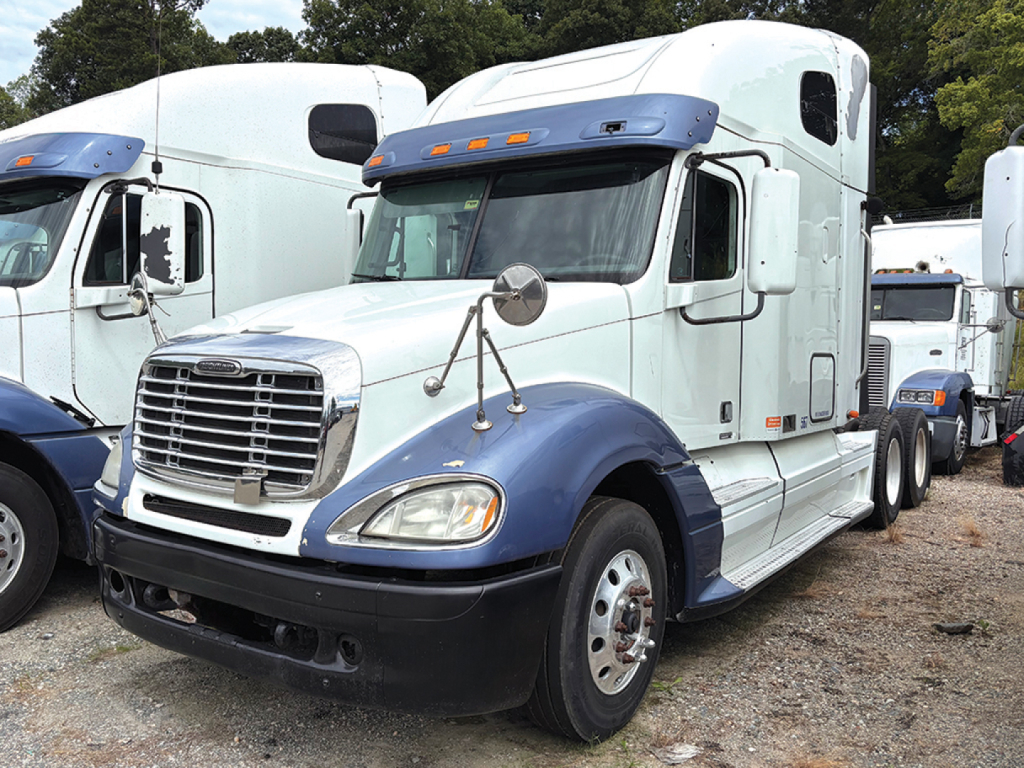

Have used 2012 commercial truck to sell? List it here to reach thousands of buyers.
Used 2012 Commercial Trucks in North Carolina
Powertrain selection is where a used 2012 truck really needs close attention. This is a key emissions-era year, so engine history, aftertreatment condition, and service documentation matter as much as make and horsepower. Typical engines in this class include Detroit DD13 and DD15, Cummins ISX variants, Paccar MX series, Volvo D13, Mack MP8, and in some cases pre-emissions or glider-related configurations depending on prior ownership and spec. Horsepower on highway units often falls in the 400 to 500 HP range, paired with 10-speed, 13-speed, or automated manual transmissions. Rear axle ratings around 40,000 pounds, ratios such as 3.08, 3.25, 3.42, or 3.55, and wheelbases from roughly 178 to 240 inches are common. Lower ratios generally favor fuel economy at highway speed, while deeper ratios can better support heavier loads, steeper grades, or more stop-and-go work.
A buyer comparing 2012 trucks should also look beyond engine and transmission to the chassis spec that affects daily use. Suspension type, fifth wheel setup, front axle rating, brake configuration, and tire size all influence how the truck fits the trailer and the route. Air ride suspension is common on highway tractors, while some vocational trucks in this year may have heavier spring setups, PTO provisions, or wet kits for dump, tanker, or equipment-hauling applications. Features like an air slide fifth wheel, locking diffs, aluminum wheels, fairings, disc brakes, and dual fuel tanks can make a noticeable difference in productivity and operating cost. In North Carolina, truck buyers often balance interstate efficiency with the need to handle mixed terrain, urban deliveries, port access, and regional freight lanes across the Southeast.
Condition matters more than age alone on a 2012 truck. A well-maintained unit with documented overhead work, DPF and SCR service, transmission repairs, and axle or suspension maintenance can be a stronger value than a newer truck with gaps in its records. Buyers should check engine hours against mileage, review ECM data if available, inspect the frame for corrosion or modifications, and confirm the truck's current emissions compliance and registration fit for their operating area. For many fleets and owner-operators, a used 2012 truck still represents a workable balance of purchase price, proven driveline options, and spec flexibility, especially when the truck matches the intended lane, trailer type, and annual mileage.
Frequently Asked Questions about Used 2012 Commercial Trucks in North Carolina
What should I look for first on a used 2012 truck?
Start with the engine emissions system, maintenance records, and the truck's original and current application. A 2012 model falls in a critical emissions period, so DPF, SCR, EGR, injector, turbo, and sensor history should be reviewed closely. After that, confirm the cab type, wheelbase, rear axle ratio, transmission, and axle ratings match the work you plan to do. Mileage alone does not tell the full story. Engine hours, idle time, prior load type, and repair documentation are often better indicators of value.
Are 2012 trucks a good choice for owner-operators or small fleets?
They can be, especially for buyers focused on a lower acquisition cost and a truck with a proven spec. A used 2012 truck can still be productive in regional haul, local dedicated freight, or long-haul service if it has been maintained correctly and the emissions system is in good order. The best fit depends on your tolerance for repair risk, your in-house maintenance capability, and the type of freight you run. Buyers who need lower monthly payments often consider this model year, but they should budget realistically for inspections and possible aftertreatment or driveline repairs.
What engine and transmission specs are common in used 2012 trucks?
Common 2012 highway truck specs include diesel engines in the 400 to 500 horsepower range and transmissions such as 10-speed manuals, 13-speeds, and automated manuals. Rear axle ratings around 40,000 pounds are typical for Class 8 tractors, with axle ratios often ranging from 3.08 to 3.55. A fuel-economy spec usually leans toward an aerodynamic truck, automated transmission, and taller gearing. A heavier or more demanding application may call for more horsepower, a manual transmission, and a deeper rear ratio.
Should I buy a 2012 day cab or sleeper truck?
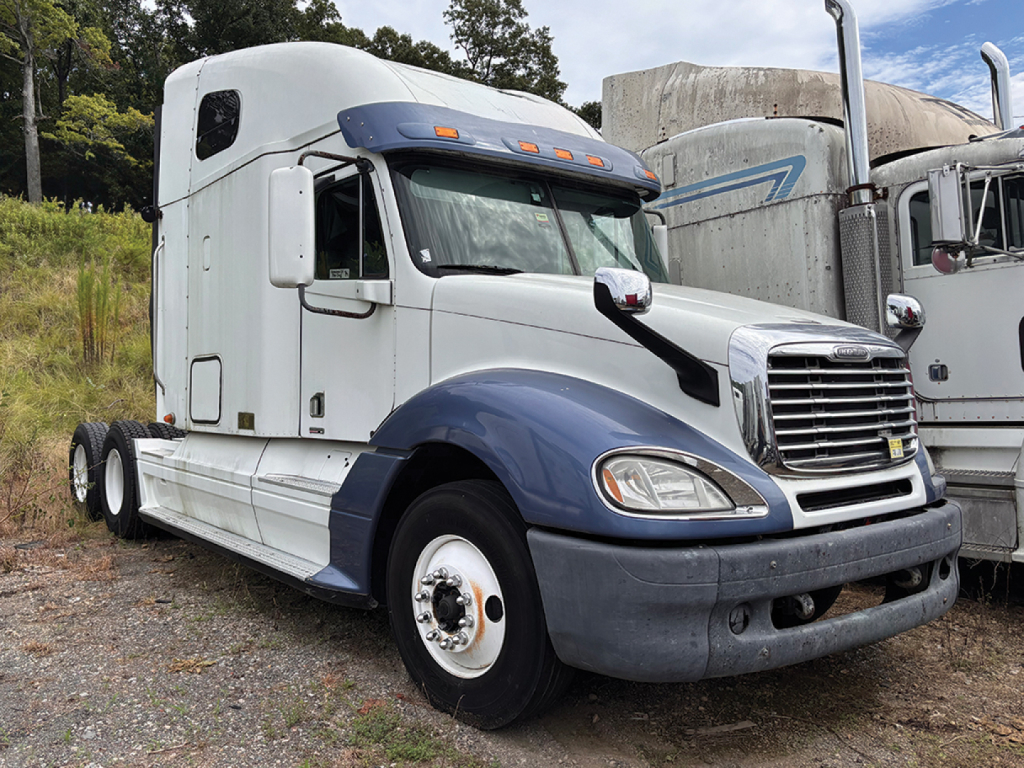
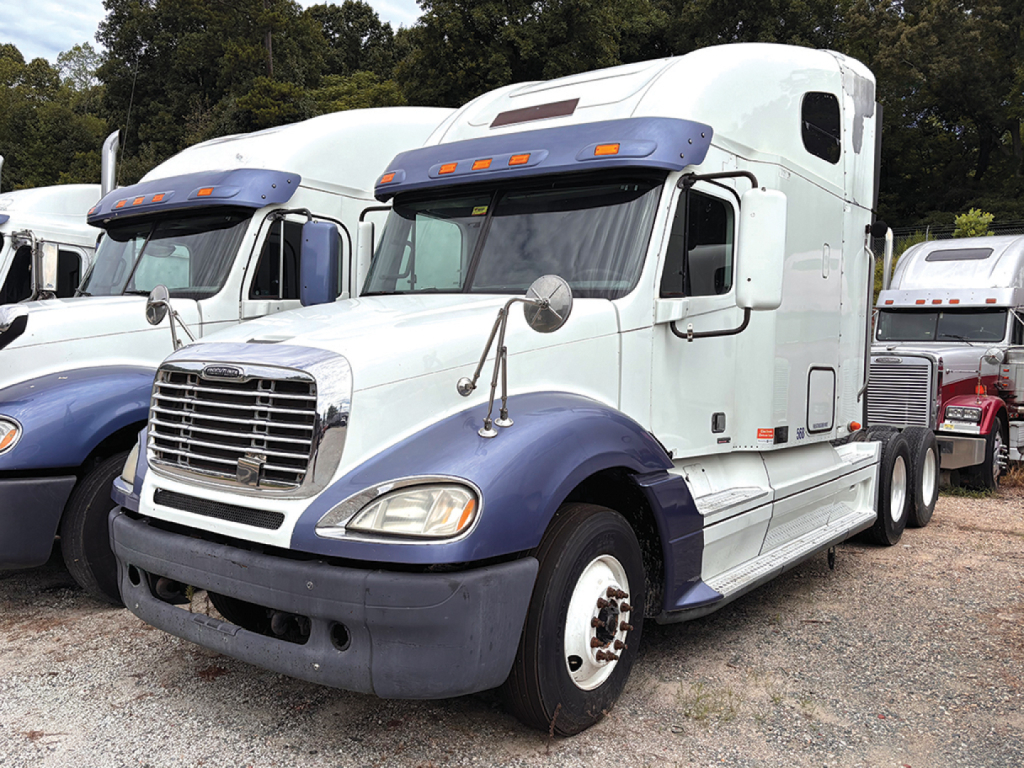
That decision depends on route length, trailer type, and how often the driver needs to stay with the truck overnight. A 2012 day cab is generally better for regional lanes, local deliveries, drayage, and terminal-to-terminal work because it is lighter, shorter, and easier to maneuver. A 2012 sleeper truck is better suited to long-haul operations, team driving, and routes where driver comfort, storage, and fuel range matter. The right choice usually comes down to utilization rather than price alone.
Why does rear axle ratio matter on a 2012 truck?
Rear axle ratio affects launch feel, cruise RPM, fuel economy, and grade performance. Ratios like 3.08 or 3.25 are commonly used in highway applications where lower engine speed at road speed helps fuel mileage. Ratios such as 3.42 or 3.55 can offer better pulling power for heavier freight, more frequent starts, or hillier terrain, but they may increase engine RPM at highway speed. The ratio should be evaluated together with tire size, transmission gearing, and the truck's actual gross combination weight target.