
Used 2008 Trucks For Sale in Missouri
Shop used 2008 trucks for sale in Missouri. Compare engines, transmissions, emissions, and specs for sleeper, day cab, box, and vocational models.
Learn more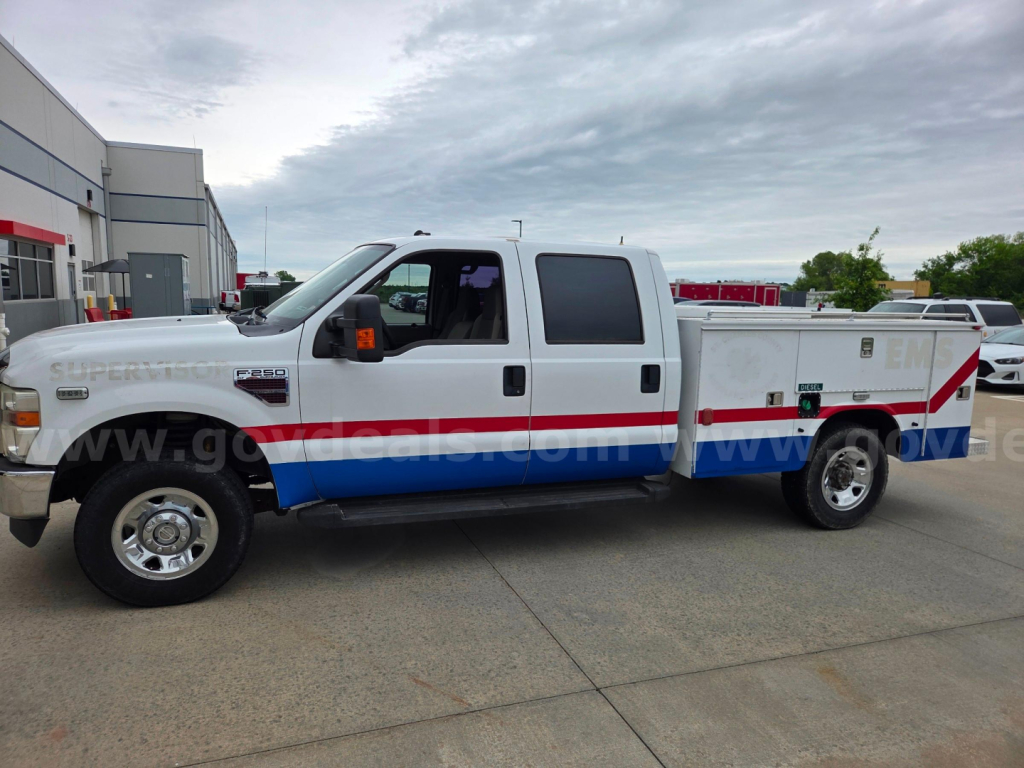
Have used 2008 truck to sell? List it here to reach thousands of buyers.
About Used 2008 Trucks in Missouri
Powertrains from this year are familiar to most shops. You will commonly see Cummins ISX 435-500 hp, Detroit Series 60 14.0L, Cat C13 and C15 ACERT, and International MaxxForce in ProStar and DuraStar models. Medium duty choices include Cummins ISB or ISC and Caterpillar C7. Transmissions trend toward Eaton Fuller 10-speed and 13-speed manuals, with some early UltraShift automated units. Spec choices to watch: 3.36 to 3.73 axle ratios for highway and rolling terrain, 6x4 tandems with interaxle lock, air-ride suspensions, and 22.5 rubber. Sleeper tractors from this era often have 70-inch class bunks, cabinets, and optional APUs that reduce idle hours, which directly helps the DPF and engine life.
Missouri duty cycles matter. Interstate hauls on I-70 or I-44 favor taller gearing, cruise-friendly torque curves, and engine brakes for Ozark grades. Urban pickup and delivery around Kansas City or St. Louis can be hard on DPFs due to short runs, so look for units that show consistent passive regen, clean differential pressure sensor trends, and minimal idle time. Inspect frame rails, crossmembers, spring hangers, and cab mounts for Midwest corrosion, and check for aluminum pitting on tanks and wheels. A quick ride height and bushing check will reveal a lot about prior load and road conditions.
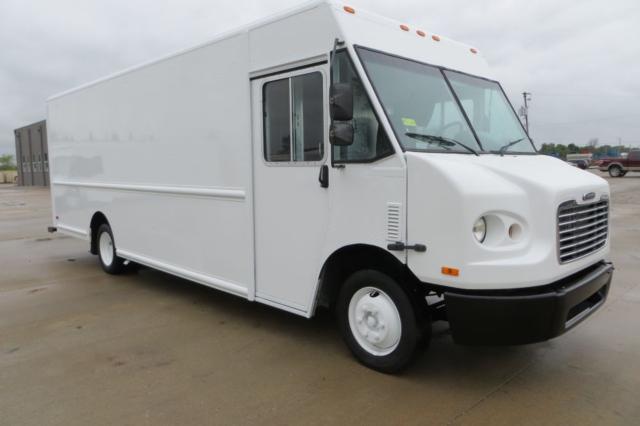
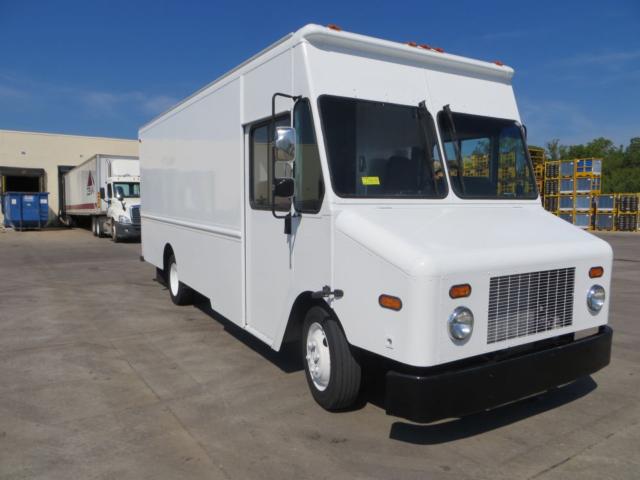
Match the truck to the job. For 53-foot dry van or reefer at 80,000 lb GCW, target 450 to 500 hp with 1,650 to 1,850 lb-ft, 10 or 13 speeds, a 47 to 50 inch fifth wheel height, and a 121 to 150 inch BBC depending on aero model. Regional day cabs benefit from tighter wheelbases for dock work and a ratio that keeps the engine in its 1,250 to 1,500 rpm sweet spot at cruise. Vocational 2008 trucks, like dumps or wet-kit tractors pulling end dumps or lowboys, should have full-locking rears or at least crosslocks, heavy single or double frame, and PTO provision. Box and stake bodies in the 26,000 to 33,000 GVWR range often carry rail liftgates and aluminum boxes; confirm floor rating, roof condition, and door operation. As you compare used 2008 trucks for sale in Missouri, weigh tare weight, maintenance records, and spec alignment against your lanes to keep fuel burn, uptime, and compliance on target.
Frequently Asked Questions
Do 2008 trucks use DEF fluid?
Most 2008 trucks do not use DEF. They are typically EPA 2007 configurations with EGR and a DPF only. That reduces fluid logistics, but you must stay on top of DPF cleaning intervals, sensor health, and regen performance to avoid derates. DEF and SCR systems became common in the 2010 model year.
What mileage is typical for a 2008 Class 8 and what should I inspect?
Expect 600,000 to 900,000 miles on many sleeper and day cab tractors. Prioritize engine oil analysis, any in-frame rebuild documentation, DPF clean or replace records, EGR cooler and turbo history, clutch wear or transmission service, differential noise, and suspension bushings. Check steer tire wear for alignment and kingpin condition, and scan the ECM for fault history and idle percentage.
Are 2008 trucks a good fit for intrastate Missouri routes?
Yes, with the right spec. For stop-and-go work, look for healthy DPF data and consider axle ratios in the 3.55 to 3.90 range to keep the engine in its torque band at local speeds. For Ozark grades, an effective engine brake and adequate cooling package help manage heat. Short-haul fleets should verify frequent successful passive regens or plan periodic parked regens to protect uptime.
Can a 2008 tractor comfortably pull a 53-foot trailer at 80,000 lb?
A properly spec’d 2008 tractor with 450 to 500 hp and 1,650 to 1,850 lb-ft, paired with a 10 or 13 speed and highway-friendly axle ratios, will handle 80,000 lb GCW efficiently. Match tire size, fifth wheel height, and wheelbase to your trailer fleet, and confirm rear axle ratios align with your cruise speed to keep the engine in its most fuel-efficient rpm range.
How do I evaluate the aftertreatment system on a 2008 truck before purchase?
Pull ECM data for ash load, regen frequency, and active fault codes, and inspect the DPF, DOC, and differential pressure sensors. Ask for receipts showing DPF cleaning or replacement and verify the last time the sensors and dosing components were serviced. A smoke test for exhaust leaks upstream of the DPF and a thorough coolant system check help prevent future regen and derate issues.