
Used 2007 Commercial Trucks For Sale in Missouri
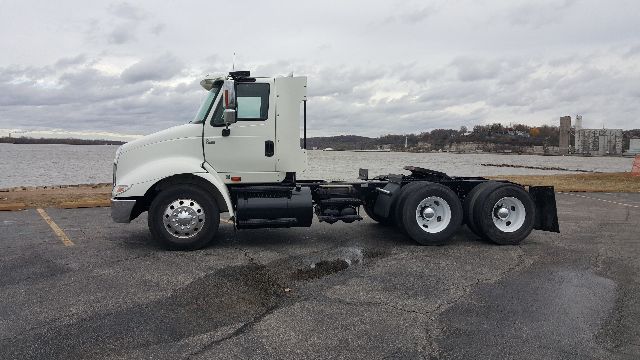
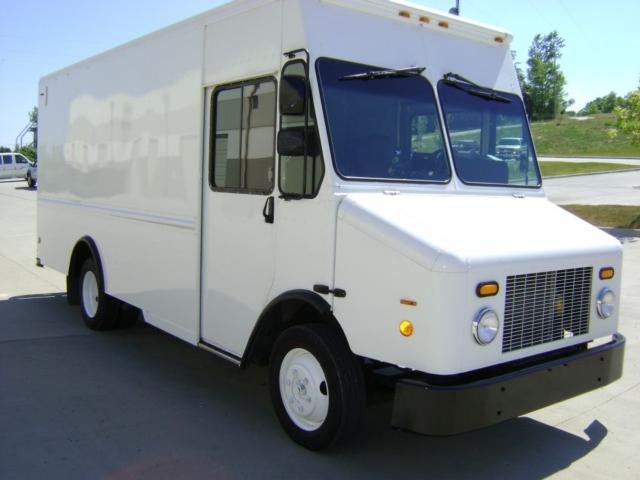
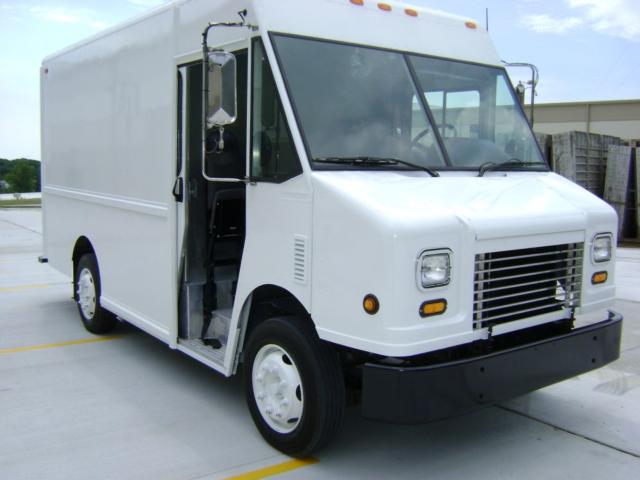
Have used 2007 commercial truck to sell? List it here to reach thousands of buyers.
Used 2007 Commercial Trucks in Missouri
Engines you will see include Cummins ISX and ISM, Detroit Series 60 14L, Caterpillar C15 ACERT and C13, Mercedes MBE4000, and medium duty options like Cummins ISC/ISB, International DT466, and Cat C7. Highway tractors typically run 350 to 500 horsepower with 10, 13, or 18 speed Eaton Fuller boxes, while vocational dump and mixer builds lean on deeper gearing and Allison automatics for start-stop work. Rear axle ratios around 3.25 to 3.55 favor linehaul at 65 to 70 mph, 3.70 to 3.90 fit mixed regional duty, and 4.10 plus is common in off-road and heavy PTO applications. On the chassis side, expect air suspensions like Peterbilt Low Air Leaf, Freightliner AirLiner, or Hendrickson, aluminum or steel wheels, and drum brakes with the occasional air disc retrofit. For straight trucks, look at body condition, roof bows and rails, door seals, reefer hours if equipped, and liftgate capacity.
Missouri routes demand a balance of gearing and cooling. I-70 and I-44 reward fuel efficient ratios and tall rubber, while the Ozarks and river bluffs push buyers toward multi-speed transmissions and engine brakes that hold speed on grades. Midwest winters mean corrosion checks are not optional. Inspect frame flanges and crossmembers, spring hangers, fifth wheel mounting plates, brake chambers and lines, battery boxes, aluminum cab mounts, and belly wiring harness runs for road salt damage. Plan tire spec and snow traction around mixed weather, and consider block heaters and fuel tank warmers if the truck will live outdoors.
For any 2007 semi truck, day cab, dump, or box truck, documentation decides value. Ask for service records that cover DPF cleanings, EGR valve and cooler replacements, overhead sets, injector work, and in-frame history on higher mileage engines. Do an oil analysis for wear metals and coolant, a blow-by or crankcase pressure test, and a dyno pull if possible. Check steer tire wear for alignment or kingpin issues, air suspension bushings and ride height valves, U-joints and carrier bearings, and cab HVAC function. Confirm wheelbase and kingpin setting match your trailer and bridge needs, verify PTO provisions for wet kits, and make sure the electrical system supports any liftgates, APUs, or auxiliary lighting you plan to run.
Frequently Asked Questions about Used 2007 Commercial Trucks in Missouri
What is unique about 2007 emissions on used trucks?
Most 2007 engines use EGR with a diesel particulate filter and no DEF or SCR. Reliability centers on a clean DPF, healthy sensors, a tight charge air system, and proper regen strategy. Expect periodic ash cleaning and more heat in the exhaust stream. Some 2007-titled trucks carry pre-DPF engines built before the cutoff, so confirm the engine family and build date on the emissions tag.
Are 2007 trucks restricted in certain states or cities?
Compliance varies. Many areas accept 2007 engines, but some low emission zones and California rules have phased out older engines for most operations. If you plan interstate work, check current requirements for your lanes, insurance carriers, ports, and any municipal contracts that specify 2010 or newer engines.
What gearing works best for Missouri routes?
For linehaul on I-70 or I-44 at 65 to 70 mph, pair a direct or overdrive 10 or 13 speed with rear ratios around 3.25 to 3.55 depending on tire size and target cruise RPM. In hillier Ozark routes or heavy local haul, a 13 or 18 speed gives tighter steps, and 3.70 to 4.10 ratios improve startability and engine brake control on grades.
How many miles is too many for a 2007 truck?
Platform matters more than odometer alone. Many Class 8 tractors run well past 1 million miles with documented in-frame work and steady oil analysis. Look for proof of injector and overhead service intervals, turbo and EGR component replacements, and recent DPF maintenance. Evaluate blow-by, cold start behavior, transmission and clutch health, and differential noise before you decide.
How can I confirm if a 2007 truck is pre-DPF?
Check the emissions label on the valve cover or engine block for the engine family and manufacturing date, inspect the exhaust for a DPF canister, and review ECM calibration and fault history. A truck titled as 2007 may carry a late-2006 engine, which usually means no DPF. Documentation from prior owners and dealers helps validate this.