
Used 2000 Commercial Trucks For Sale in Florida
Have used 2000 commercial truck to sell? List it here to reach thousands of buyers.
Used 2000 Commercial Trucks in Florida
The biggest separator in this category is truck type. A 2000 day cab or sleeper tractor is built for a different duty cycle than a straight truck, dump truck, rollback, service truck, or cab and chassis. Buyers should start with GVWR or GCWR needs, axle configuration, and wheelbase before looking at cosmetics. In this age range, common setups include single-axle and tandem-axle configurations, manual transmissions along with Allison automatics in vocational applications, and diesel engines from Caterpillar, Cummins, Detroit Diesel, Mack, and International. Rear axle ratios can vary widely, so a truck geared for low-speed vocational work will perform very differently from one spec'd for highway miles. Suspension type also matters. Air ride is usually preferred for ride quality and freight protection, while spring suspension remains common in severe-service and municipal applications.
Florida buyers should pay close attention to corrosion, cooling system health, A/C performance, tires, and signs of long idle time. The state is not known for heavy road salt, which can help frame and underbody condition, but coastal exposure can still create corrosion issues on wiring, aluminum components, battery boxes, and hardware. Heat and humidity are hard on interiors, seals, hoses, and electrical systems, so cab condition and climate control should not be treated as minor issues. On older trucks, service history often matters more than mileage alone. Engine hours, blow-by, oil leaks, injector condition, transmission operation, suspension wear, brake system condition, and evidence of proper maintenance are usually more important than a polished exterior.
For buyers comparing used 2000 trucks for sale, the best value is usually the truck with the clearest job fit and the strongest maintenance story. Verify engine model, transmission, axle ratings, PTO or hydraulic equipment if equipped, and body specifications if the truck is already upfitted. Check for title status, DOT inspection readiness, tire date codes, and any signs of frame modification or hard vocational use. A well-kept 2000 model can still serve effectively in regional, local, agricultural, or specialty applications, especially where low upfront cost and mechanical simplicity matter more than late-model technology.
Frequently Asked Questions about Used 2000 Commercial Trucks in Florida
What should I look for first when buying a used 2000 truck?
Start with the truck's intended job, then verify the core specifications that support that application. Check axle configuration, wheelbase, GVWR or GCWR, engine model, transmission type, suspension, and any PTO or body equipment. After that, focus on condition items that are expensive to correct on an older truck, including engine health, transmission operation, brake system condition, steering play, tire age, cooling system performance, and frame integrity. Maintenance records and evidence of consistent service usually tell you more than appearance alone.
Are 2000 model year trucks easier to maintain than newer trucks?
In many cases, yes. Many 2000 trucks appeal to buyers because they predate the more complex emissions systems found on later diesel trucks. That can mean fewer sensors, less aftertreatment-related downtime, and easier diagnostics for fleets or owner-operators comfortable with older equipment. That said, age creates its own maintenance demands. Hoses, seals, wiring, interior components, suspension parts, and air system components may all need attention simply due to time in service.
Is mileage or engine hours more important on a used 2000 truck?
Both matter, but neither should be viewed in isolation. Mileage helps indicate road use, while engine hours can reveal how much the truck spent idling or working at low speeds. A vocational truck with moderate miles may still show substantial wear if it has high engine hours, frequent PTO use, or heavy stop-and-go duty. The better approach is to compare mileage, hours, maintenance history, wear patterns, and the truck's configuration to understand how it was actually used.
What truck types are common in the used 2000 truck market?
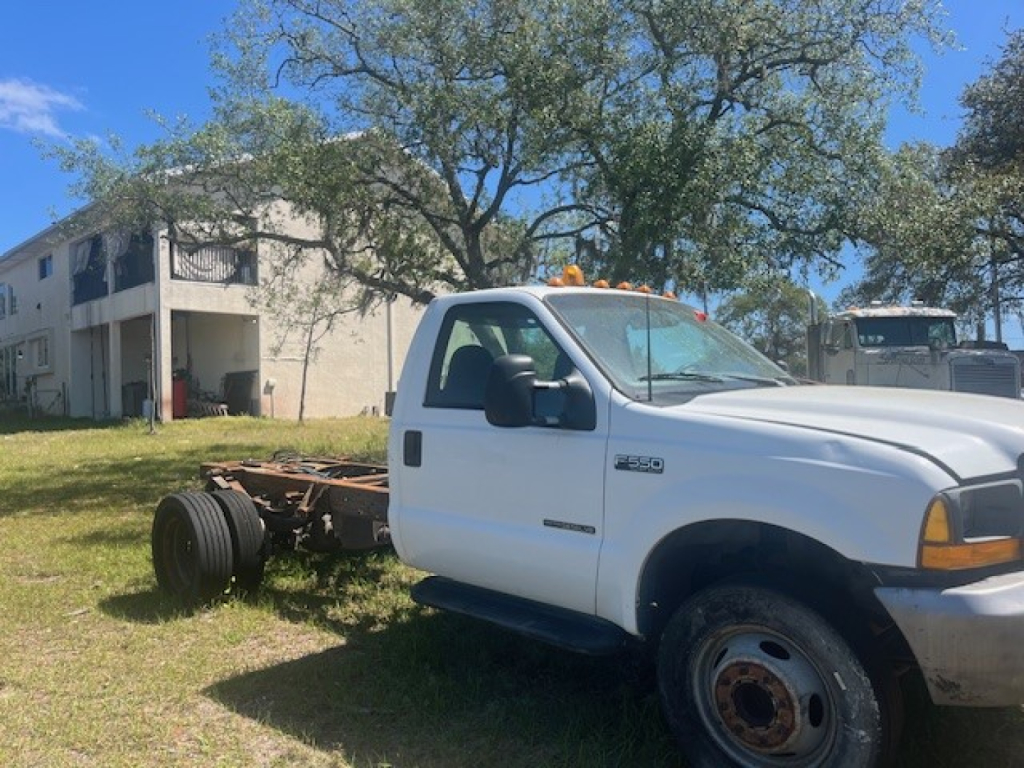
This category can include highway tractors, day cabs, sleeper trucks, straight trucks, dump trucks, rollback wreckers, box trucks, service trucks, and bare cab and chassis units. The 2000 model year appears across both on-highway and vocational segments, so body type and chassis spec vary widely. That is why buyers should confirm not only the cab style and axle setup, but also the actual body dimensions, lift or towing equipment, hitch setup, and hydraulic systems when applicable.
Are older trucks in Florida less likely to have rust problems?
Florida trucks often avoid the heavy road-salt corrosion seen in northern states, which can be a real advantage for frame and undercarriage condition. However, coastal air and humidity can still cause corrosion on electrical connections, fasteners, aluminum parts, and exposed components. Buyers should inspect battery compartments, wiring, air tanks, crossmembers, cab mounts, and body hardware closely. A Florida truck may present better structurally than a northern truck of the same age, but it still needs a careful underbody and electrical inspection.