
Used 2000 Commercial Trucks For Sale in Colorado
Browse used 2000 trucks for sale in Colorado, including day cabs and sleepers with specs on engines, transmissions, axles, wheelbase, and setup.
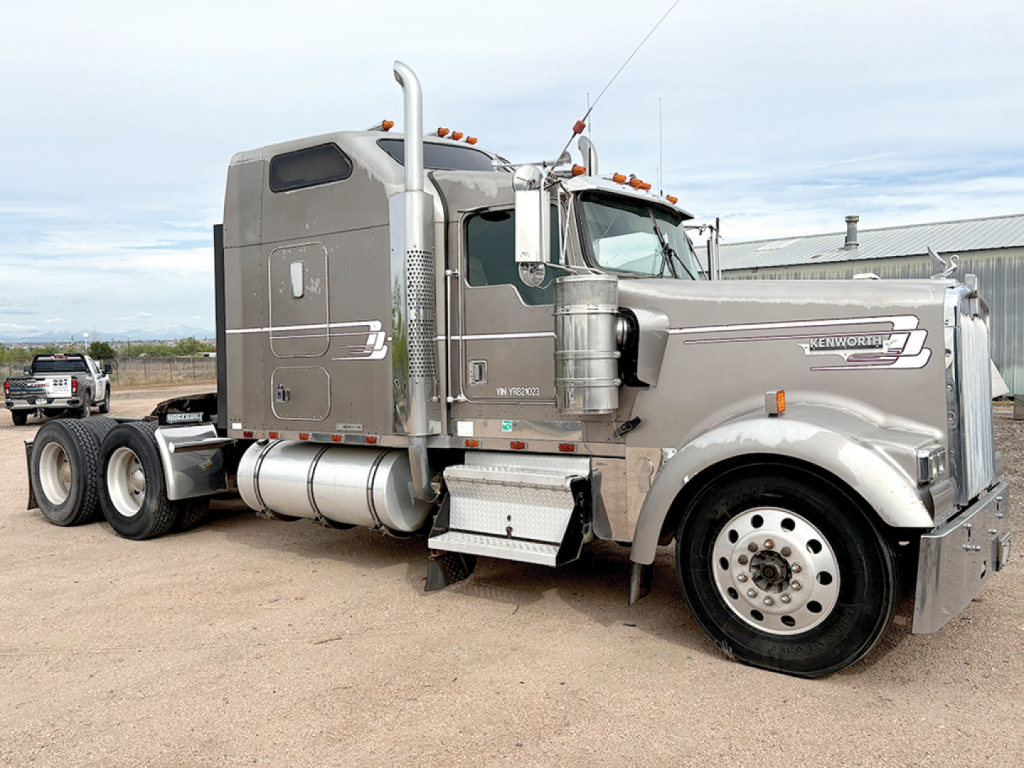
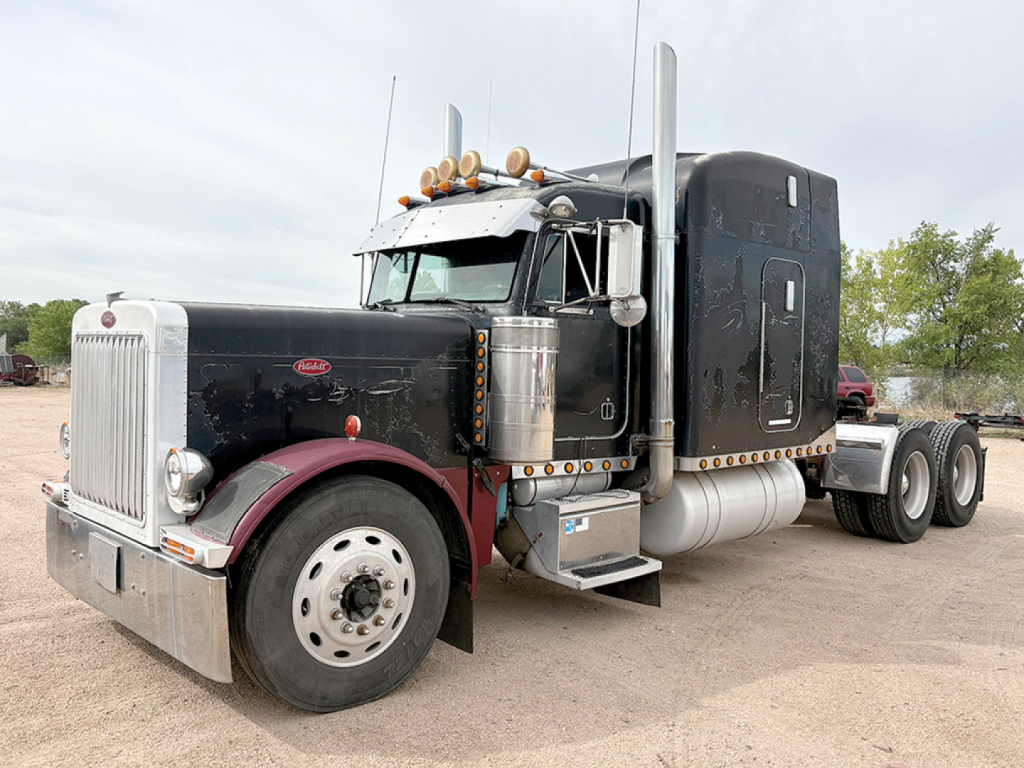
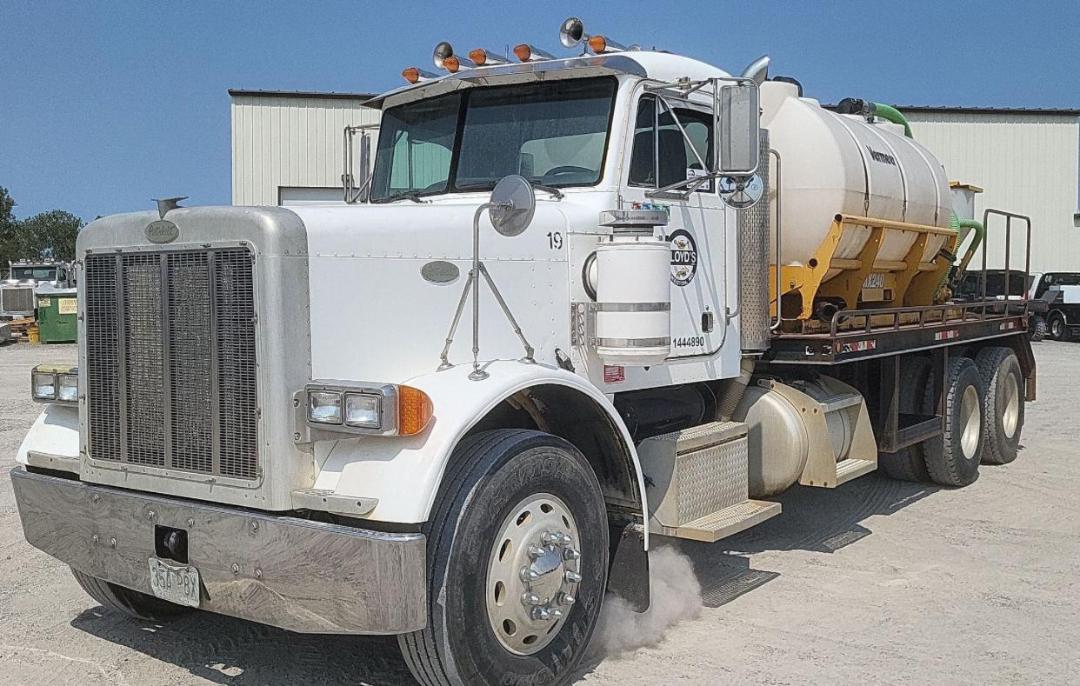
Have used 2000 commercial truck to sell? List it here to reach thousands of buyers.
Used 2000 Commercial Trucks in Colorado
In this year range, buyers will commonly see conventional day cabs, sleeper tractors, vocational chassis, and medium-duty straight trucks. Engine and driveline choices vary widely, but this era often includes mechanical or early electronic diesel engines paired with manual transmissions in 9-speed, 10-speed, 13-speed, or 18-speed configurations. Rear axle ratings, suspension type, wheelbase, and axle ratio matter more than the badge on the hood when matching a used 2000 truck to the job. A shorter wheelbase day cab with a favorable turning radius works well for city and plant work, while a sleeper with taller gearing may fit regional or longer-haul use better. In Colorado, altitude also matters. Buyers running mountain grades usually prioritize adequate horsepower, strong engine braking, and gearing that keeps the truck productive without overworking the drivetrain.
Condition is everything on a 2000 model truck. Frame integrity, engine blow-by, transmission synchronizer condition, differential noise, brake system health, suspension wear, and evidence of consistent maintenance should be inspected closely. On higher-mileage units, pay attention to oil leaks, cooling system history, injector or turbo condition, clutch life, kingpins, bushings, and cab corrosion. If the truck is set up as a tractor, confirm fifth wheel type, sliding fifth wheel travel, and frame drilling or modifications. If it is a straight truck or vocational chassis, body compatibility, PTO provisions, front axle capacity, and tire size can have a major effect on usability and operating cost. Colorado buyers should also look for signs of cold-weather wear, mountain-service brake use, and rust or corrosion from road treatment, especially on crossmembers, wiring, air tanks, and brake components.
A used 2000 truck can still be a practical purchase when the spec fits the route and the mechanical condition is documented. Buyers comparing listings should focus on engine family, transmission type, axle ratio, suspension, GVWR, wheelbase, and service records before cosmetic details. The best value usually comes from trucks with a clear maintenance story, a job-specific configuration, and enough remaining life in major components to avoid immediate reconditioning costs.
Frequently Asked Questions about Used 2000 Commercial Trucks in Colorado
Are 2000 model trucks a good choice for buyers trying to avoid newer emissions complexity?
In many cases, yes. A 2000 model truck is typically attractive because it predates later emissions systems that added components such as diesel particulate filters and SCR systems. That usually means a simpler engine package and easier diagnostics for shops familiar with older diesel platforms. The tradeoff is age, mileage, and parts condition. A simpler truck is only a good value if the engine, transmission, wiring, brakes, and chassis have been maintained properly.
What specs matter most when comparing used 2000 trucks for sale in Colorado?
The most important specs are engine horsepower and torque, transmission type, axle ratio, rear axle rating, wheelbase, suspension, brake setup, and GVWR. In Colorado, horsepower alone is not enough. Mountain operation puts extra importance on gearing, cooling system condition, and engine brake performance. For local work, turning radius and wheelbase may matter more. For heavier hauling, buyers should confirm axle capacities, frame condition, and suspension type before focusing on appearance or cab features.
What should I inspect first on a used 2000 truck?
Start with the expensive components. Check engine condition for blow-by, leaks, coolant contamination, and cold-start behavior. Then inspect the transmission for shift quality, clutch wear if equipped, and driveline vibration. Review differential operation, suspension wear, brake condition, tire wear patterns, steering play, and frame integrity. On older trucks, electrical condition also matters because wiring repairs can become time-consuming. Service records and evidence of recent work often tell you more than the odometer alone.
Are used 2000 trucks better suited for local or long-haul work?
Most are better suited for local, regional, agricultural, vocational, or seasonal applications, but the answer depends on spec and condition. A well-maintained sleeper tractor with the right gearing and drivetrain can still handle regional freight. Many buyers prefer 2000 model trucks for shorter routes or specialized work where lower capital cost matters more than the latest cab technology. For long-haul service, downtime risk, cab comfort, and parts availability should be weighed carefully against the lower purchase price.
Can a 2000 model truck still be cost-effective to own?
Yes, if the truck is bought correctly. Lower upfront cost can make a used 2000 truck very cost-effective for the right operation, especially when annual miles are moderate and the buyer has access to good maintenance support. The biggest risk is deferred repairs. A truck that needs engine work, clutch replacement, suspension rebuilding, and tires soon after purchase can erase any savings. Buyers usually do best when they choose a truck with a clear maintenance history, a well-matched spec, and realistic expectations about upkeep.