
Used 1996 Commercial Trucks For Sale
Browse used 1996 trucks for sale, including day cabs, vocational trucks, and medium-duty units with specs that still fit many fleet applications.
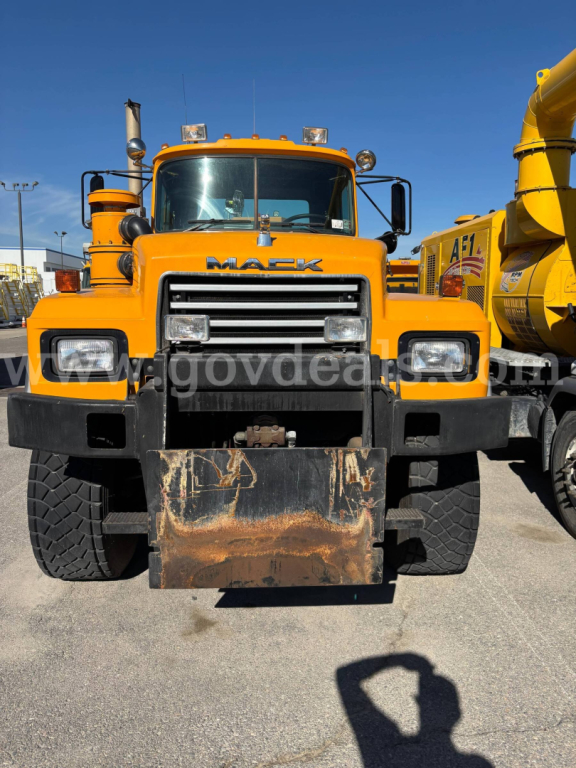
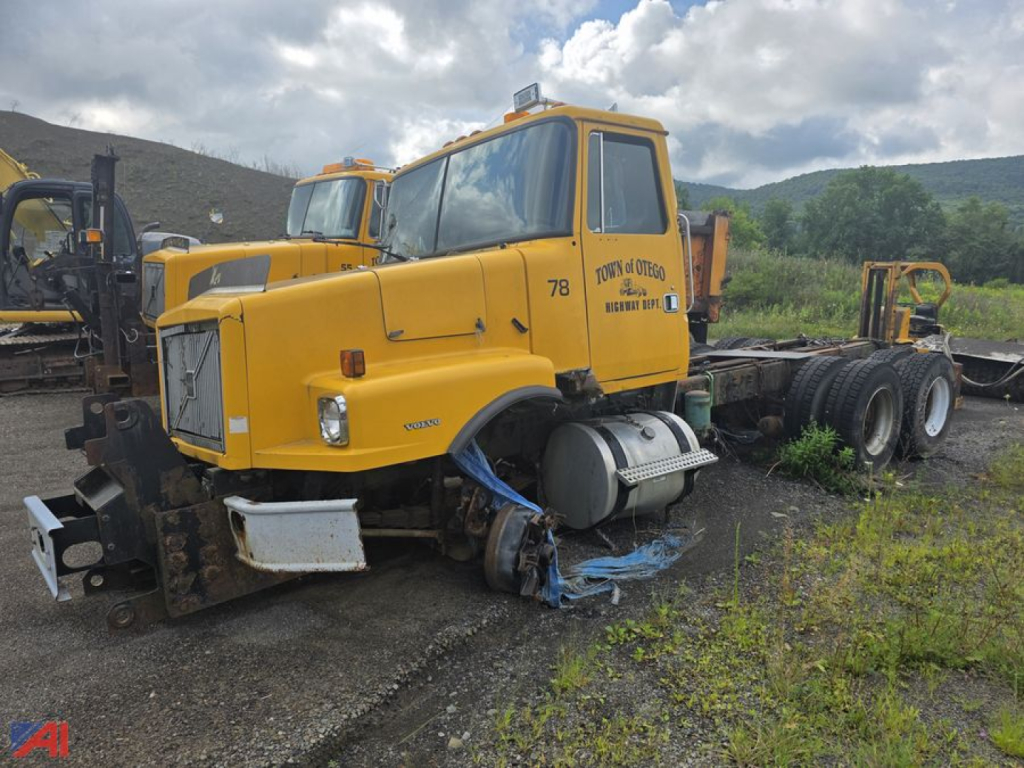

Have used 1996 commercial truck to sell? List it here to reach thousands of buyers.
Used 1996 Commercial Trucks
The 1996 truck market covers a wide range of configurations, from conventional day cab semis and sleeper tractors to dump trucks, tow trucks, flatbeds, rollbacks, service trucks, and medium-duty straight trucks. Common powertrains from that era often include mechanical or early electronic diesel engines paired with manual transmissions, though some automatic and vocational-spec transmissions are also found. Buyers should pay close attention to axle ratings, wheelbase, rear ratio, suspension type, PTO setup, and brake configuration, since these trucks were often ordered for very specific jobs. A highway tractor set up for van freight is a very different machine from a tandem-axle vocational chassis with double frame rails and a wet kit.
For many buyers, the real value in a used 1996 truck is how well it matches a niche operation. Farm and grain hauling, local construction support, equipment moving, low-mileage municipal use, and occasional regional hauling are common fits. Parts availability is still good for many major makes, but cab parts, interior trim, and certain electronic components can be harder to source depending on brand and model. Rust, corrosion around cab mounts, steering play, suspension bushing wear, brake system condition, and tire age deserve a close inspection. On older trucks, an engine overhaul, transmission rebuild, or rear-end work can erase any savings from a low purchase price.
A strong 1996 truck is usually one with a clear maintenance story and the right spec for the work. Check for engine blow-by, fluid leaks, cold-start behavior, charging system output, driveline vibration, and signs of frame modification or accident repair. If the truck has a body or vocational attachment, inspect the hydraulics, controls, hoist, bed, winch, or recovery gear as carefully as the chassis itself. Buyers shopping this category are usually looking for durability, simplicity, and value, and the best units tend to be the ones that were used consistently, maintained properly, and not repurposed beyond their original design limits.
Frequently Asked Questions about Used 1996 Commercial Trucks
What should I look for first when buying a used 1996 truck?
Start with structural and mechanical condition before cosmetic appearance. Frame rust, cab corrosion, engine health, transmission operation, brake condition, suspension wear, and maintenance records matter most on a 1996 truck. A clean older truck with documented service history is usually a safer buy than a newer-looking unit with unknown mechanical issues. If possible, inspect cold-start performance, check for blow-by, and verify that axle ratings and wheelbase match the intended job.
Are 1996 trucks good for commercial use today?
Yes, but only in the right applications and regulatory environments. Many used 1996 trucks still work well for farm use, local hauling, construction support, municipal service, and other limited-duty or specialized operations. Buyers need to confirm emissions rules, registration requirements, and any local restrictions that apply to older diesel trucks. For operations that require modern telematics, tighter emissions compliance, or frequent long-haul uptime, a 1996 truck may be less practical than a newer model.
Why do some buyers prefer a 1996 truck over a newer one?
Many buyers prefer 1996 trucks because they are generally simpler to troubleshoot and repair. Pre-emissions or early-electronics trucks often have fewer sensors, less complex aftertreatment hardware, and lower acquisition costs. That simplicity can be a real advantage for owner-operators, farms, and small fleets with in-house maintenance capability. The tradeoff is that age-related wear, parts sourcing for certain components, and overall condition become much more important.
What engine and transmission setups are common in used 1996 trucks?
Used 1996 trucks are commonly found with diesel engines from major manufacturers of that era, often paired with manual transmissions such as 9-speed, 10-speed, 13-speed, or vocational multi-speed setups. Some medium-duty and vocational trucks may have automatic transmissions, depending on original application. The best setup depends on the work. Highway use may favor taller rear ratios and overdrive transmissions, while vocational use often benefits from lower gearing, PTO capability, and heavier axle and suspension ratings.
Is mileage the most important factor on a used 1996 truck?
No. Mileage helps, but maintenance history and application are more important on a truck this old. A higher-mile highway tractor that was maintained on schedule can be a better buy than a lower-mile vocational truck that spent years in severe service, idling heavily, or sitting unused. Engine hours, service documentation, evidence of rebuilds, and the truck's overall mechanical condition usually tell a more accurate story than the odometer alone.