
Used 1989 Trucks For Sale
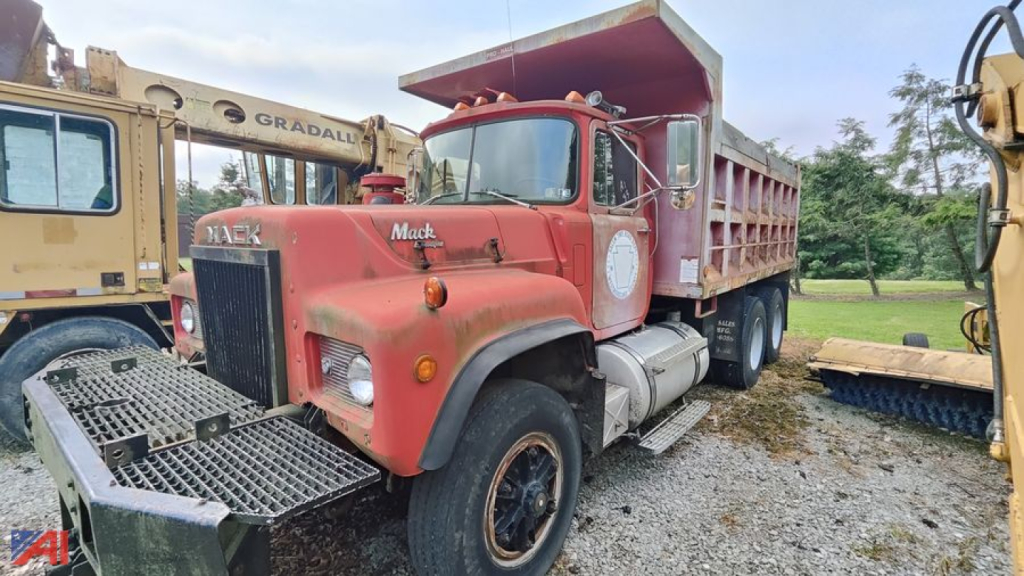

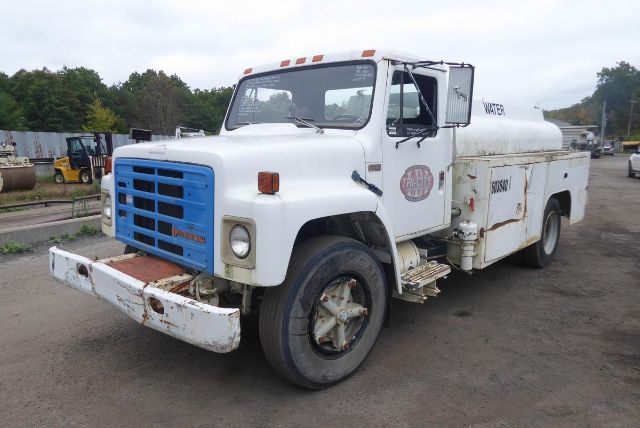
Have used 1989 truck to sell? List it here to reach thousands of buyers.
Used 1989 Trucks
Condition matters more than brand on a truck of this age. Frame condition, rust history, cab mounts, wiring repairs, brake system health, suspension wear, and evidence of previous body or drivetrain work should carry more weight than paint or interior appearance. Buyers should pay close attention to engine family, transmission model, rear axle ratio, wheelbase, and axle ratings because 1989 trucks were built for a wide range of jobs and may have been repurposed more than once. A tandem axle sleeper set up for regional hauling is a very different buy from a single-axle straight truck, grain truck, dump truck, or PTO-ready cab and chassis. On vocational units, inspect PTO operation, hydraulic plumbing, and any added equipment integration just as closely as the chassis itself.
Common specifications on used 1989 trucks depend on class and application, but many units from this era were spec'd with mechanical or early electronic diesel engines, Eaton or Fuller manual transmissions, spring or air ride suspensions, and steel wheels or mixed wheel packages. Heavy-duty tractors often carry 6x4 drivetrains, 10-speed to 13-speed manuals, and rear axle ratios chosen for vocational pulling or lower-speed regional work rather than modern fuel economy targets. Medium-duty and straight truck models may be found with van bodies, dump bodies, service bodies, or as bare chassis ready for upfit. Buyers should also confirm brake type, steering wear, tire date codes, fuel tank condition, and availability of replacement parts for cab, dash, and electrical components, since support can vary significantly by make and model.
A used 1989 truck makes the most sense when the operating plan fits the equipment. These trucks are often best suited for farm use, yard service, backup fleet duty, municipal work, export markets, or owner-operators who can handle inspection and repair in-house. They can also be attractive for buyers seeking a project truck or a base for a custom body installation. The key is buying on structure and mechanical integrity, not just price. Service records, engine overhaul history, title status, odometer accuracy, and compliance needs in your state or lane should all be reviewed before purchase, especially if the truck will see regular on-road commercial use.
Frequently Asked Questions about Used 1989 Trucks
What should I inspect first on a used 1989 truck?
Start with the frame, engine, transmission, brake system, suspension, and wiring. On a truck from 1989, structural condition and mechanical soundness are usually more important than cosmetic appearance. Check for rust, frame repairs, oil or coolant leaks, driveline play, air system performance, and signs of poor electrical modifications. If the truck has a body or vocational equipment, inspect the PTO, hydraulic components, and body mounts as carefully as the chassis.
Are 1989 trucks easier to maintain than newer trucks?
In many cases, yes. Most 1989 trucks are pre-emissions and generally have simpler engine and aftertreatment layouts than newer equipment. That can make diagnosis and repair more straightforward, especially for fleets or owner-operators with in-house maintenance capability. The tradeoff is age-related wear, possible parts obsolescence for some cab and electrical items, and the likelihood that multiple prior owners have already modified or repaired the truck.
What types of jobs are used 1989 trucks best suited for?
Used 1989 trucks are typically best for limited-mileage or specialized applications rather than high-utilization long-haul work. Common fits include farm service, municipal use, seasonal hauling, yard spotting, vocational work, and export. A properly maintained unit can still be productive, but the buyer should match the truck's age, gearing, axle configuration, and body style to the intended duty cycle instead of expecting modern performance or comfort.
Do I need to worry about emissions rules with a 1989 truck?
Yes. While a 1989 truck is from the pre-emissions era, registration and operating requirements still depend on the state, local air rules, and the type of work the truck will perform. Some areas have restrictions tied to engine year, fleet regulation, or commercial use. Buyers should verify compliance before purchase, especially if the truck will operate in regulated metro areas, on government contracts, or across multiple jurisdictions.
Is mileage the most important factor on a 1989 truck?
No. Mileage can be helpful, but it is rarely the deciding factor by itself on a truck this old. Maintenance history, rebuild documentation, hours of operation, previous application, and overall mechanical condition usually tell a more accurate story. A higher-mile truck with documented service and solid structure can be a better buy than a lower-mile truck with rust, neglected brakes, outdated tires, or unknown drivetrain condition.