
Commercial Trucks For Sale Near Uniontown, Pennsylvania
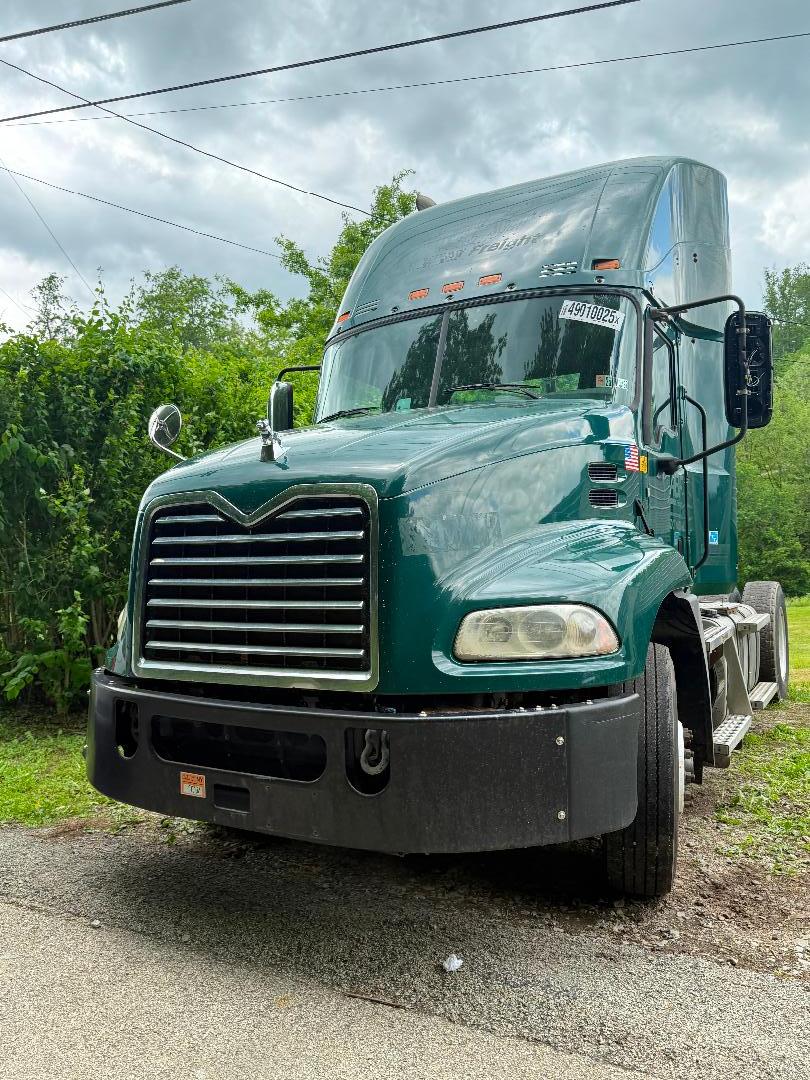
Have commercial truck to sell? List it here to reach thousands of buyers.
Commercial Trucks Near Uniontown, Pennsylvania
Powertrain specs usually separate a truck that fits the job from one that only fits the price. Heavy-duty trucks in this class are commonly equipped with diesel engines from Mack, Cummins, Detroit, Paccar, or Volvo, often paired with automatic, automated manual, or manual transmissions depending on duty cycle and driver preference. Buyers should look closely at horsepower, torque, rear axle rating, front axle rating, gross vehicle weight rating, and whether the truck is a 4x2 single axle or a 6x4 tandem. A single-axle day cab can make sense for lighter regional freight and lower operating cost, while tandem-axle trucks generally give more flexibility for heavier loads and tougher jobsite conditions. Air ride suspension is popular for ride quality and freight protection, while spring suspension may still appeal in severe-duty use.
Condition matters more than model year alone. Fleet-maintained used trucks can offer strong value, but buyers should still inspect frame condition, rust, prior structural damage, brake percentages, drum or rotor wear, tire age and remaining tread, and any signs of oil, coolant, or aftertreatment issues. In Pennsylvania, corrosion from winter road treatment can affect crossmembers, cab mounts, steps, battery boxes, and air tank brackets, so an undercarriage inspection is time well spent. Engine brake operation, cold-start behavior, DEF system history, suspension bushings, and transmission shifting quality are all worth checking on a road test. If the truck will be used in stop-and-go regional work, cab comfort items like air ride seats, air conditioning, visibility, and power mirrors can also make a difference in retention and driver productivity.
Buyers comparing trucks in this category should match the spec to the actual lane or job, not just the badge on the hood. A lighter 4x2 day cab with a midrange engine may be the right fit for short-haul freight, municipal support, or local deliveries, while a heavier tandem-axle tractor is better suited for higher GCW applications and more demanding terrain. Look at wheelbase, fifth wheel setup, PTO needs, tire size, fuel capacity, and suspension capacity before making a decision. The best truck purchase is usually the one with the clearest maintenance history, the right axle and transmission combination, and a spec that supports the work without carrying unnecessary weight or complexity.
Frequently Asked Questions about Commercial Trucks Near Uniontown, Pennsylvania
What type of truck is best for local and regional hauling?
A conventional day cab is often the best fit for local and regional hauling because it is lighter, easier to maneuver, and typically less expensive to maintain than a sleeper tractor. It works well for terminal runs, short freight lanes, dump applications, and other operations where the driver returns home daily. The right choice still depends on axle configuration, GVWR, and whether the truck needs to handle heavier trailers or jobsite conditions.
Is a single-axle truck enough for commercial work?
A single-axle truck can be enough for many commercial applications, especially lighter regional freight, local delivery, municipal work, and operations where lower empty weight and better fuel economy are priorities. A 4x2 setup is usually easier on tires and driveline components, but it has less load flexibility than a tandem-axle truck. Buyers should verify rear axle rating, legal weight requirements, and trailer demands before choosing a single axle.
What should I inspect first on a used heavy-duty truck?
Start with the frame, engine, transmission, suspension, brakes, and tires because those items drive repair cost and downtime. Look for rust, previous damage, fluid leaks, excessive blow-by, uneven tire wear, weak brake lining percentages, and loose steering or suspension components. Service records, fault code history, and aftertreatment maintenance are also important because emissions-related repairs can quickly change the value of a used truck.
Why does suspension type matter on a truck?
Suspension type affects ride quality, traction, freight protection, and maintenance cost. Air ride suspension is common on highway and regional trucks because it improves ride comfort and helps protect sensitive loads, while spring suspension is often chosen for simplicity and durability in harsher vocational work. The best option depends on how much time the truck spends on pavement versus rough surfaces and how important ride quality is to the operation.
What specs matter most when comparing trucks for sale?
The most important specs are engine horsepower and torque, transmission type, axle configuration, axle ratings, GVWR, wheelbase, suspension, tire size, and brake condition. Buyers should also confirm the cab style, PTO capability if needed, fifth wheel position, and overall maintenance history. A truck with the right specs for the job will usually perform better and cost less to run than a truck purchased only on year or price.