
Commercial Trucks For Sale Near Twinsburg, Ohio
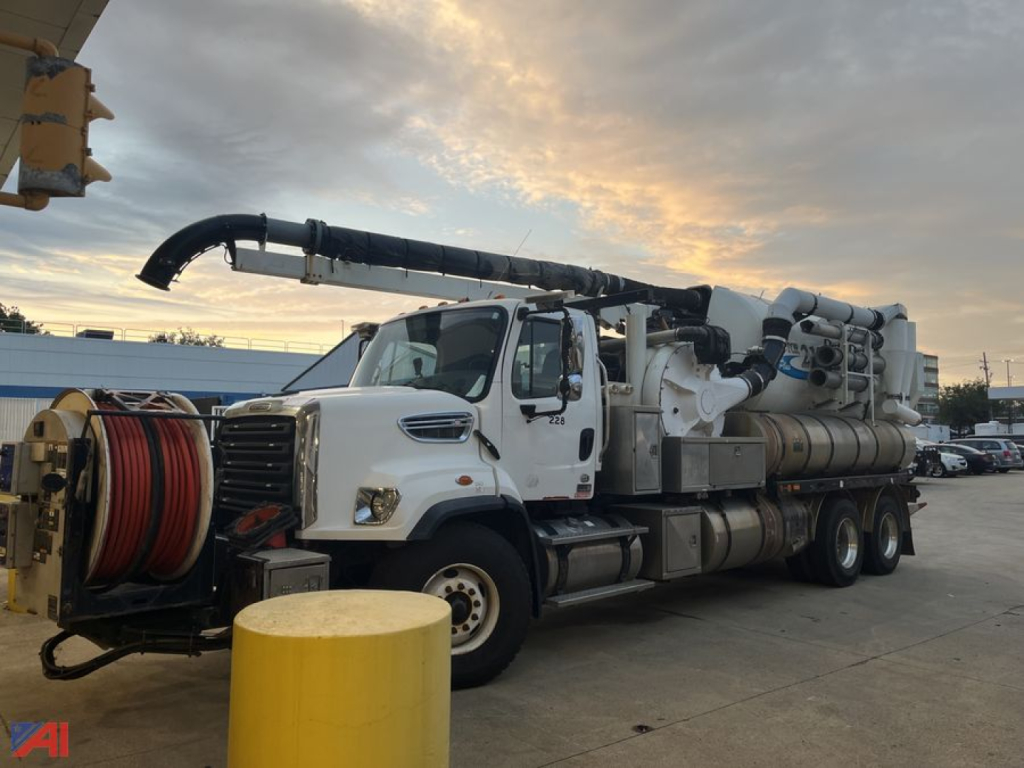
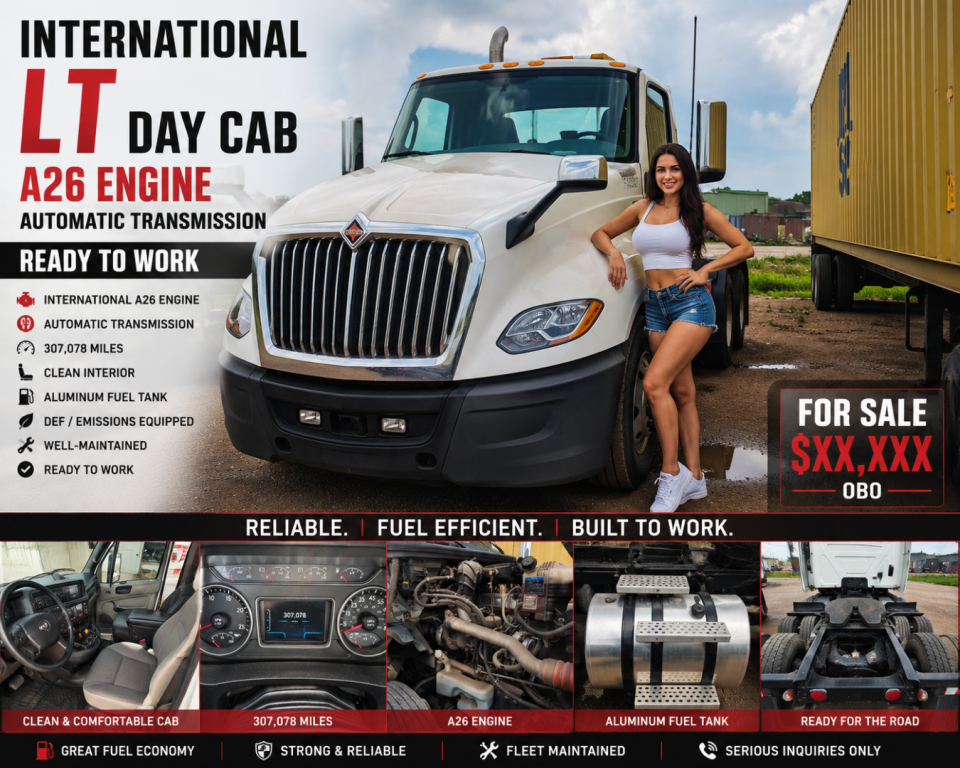
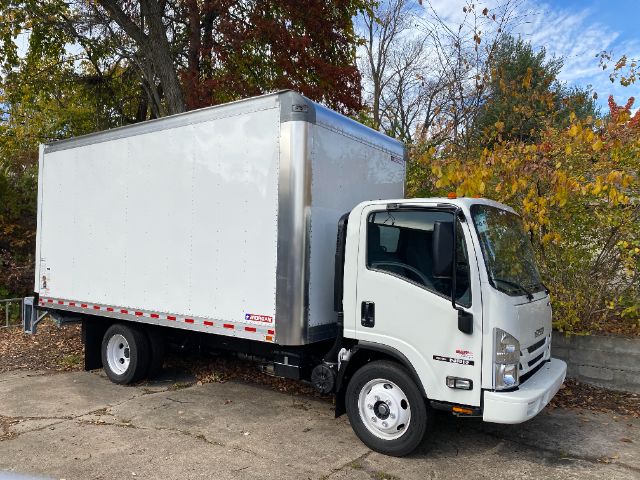

Have commercial truck to sell? List it here to reach thousands of buyers.
Commercial Trucks Near Twinsburg, Ohio
In this market, medium-duty trucks are common, especially models like the International 4400, Peterbilt 348, and Isuzu NRR. These trucks are often configured for local and regional work where maneuverability matters as much as gross weight. Buyers comparing dump trucks should pay close attention to body length, hoist type, plow and spreader integration, transmission pairing, and whether the truck was spec'd for year-round service or seasonal municipal work. Snow-plow-equipped dump trucks can offer strong value in northern states like Ohio, but the front frame, hydraulics, electrical controls, and corrosion condition deserve a close inspection because winter service is hard on components.
Engine and transmission choices also affect long-term operating cost. In medium-duty vocational trucks, it is common to see diesel engines paired with Allison automatic transmissions, especially in municipal dump and snow service because they are easy to operate and well suited for stop-and-go routes. Gas-powered cab chassis trucks also have a place, particularly for lighter payload applications, lower annual miles, and fleets trying to simplify maintenance. Check mileage, engine hours, idle time, axle ratings, brake type, wheelbase, suspension, and PTO history against the work the truck will actually do. On cab chassis units, frame condition and remaining upfit flexibility are just as important as engine make or horsepower.
A buyer in Twinsburg should also think about regional operating conditions. Northeast Ohio trucks often see snow, salt, and freeze-thaw cycles, so rust at the cab corners, frame, crossmembers, spring hangers, dump body floors, and spreader mounts can matter more than paint. If the truck is intended for landscaping, construction, municipal maintenance, local delivery, or utility work, verify CDL requirements, registered GVWR, and bridge-law implications before purchase. The best truck in this category is usually the one with the right axle capacity, body configuration, and service history for the job, not simply the newest unit on the page.
Frequently Asked Questions about Commercial Trucks Near Twinsburg, Ohio
What should I look for when buying a used dump truck?
Start with the truck's intended job and compare that to the axle ratings, GVWR, body length, hoist setup, and PTO equipment. Then inspect the frame, dump body, hinges, tailgate, hydraulic lines, and floor condition for signs of hard use or corrosion. On trucks used for snow work, check plow mounts, wing attachments, spreader controls, and front suspension wear closely. Engine hours, transmission behavior, and maintenance records often tell more than odometer mileage alone on vocational units.
Is a cab chassis better than a complete box truck for some buyers?
Yes, if the body spec is still undecided or the truck will be upfitted for a specialized application, a cab chassis can be the better choice. Buyers can match wheelbase and cab-to-axle dimensions to a service body, flatbed, stake body, box, or other equipment. A complete box truck is more convenient when the body already matches the route and payload needs. The key is making sure the chassis rating, frame length, and powertrain are appropriate for the finished build.
Are municipal trucks a good value on the used market?
They can be, especially when fleets maintain them on schedule and document repairs. Municipal trucks are often equipped with premium vocational features such as plows, spreaders, hydraulic systems, lighting packages, and heavy-duty front-end components. The tradeoff is that many of these trucks work in severe weather and corrosive road-salt conditions. A buyer should balance the value of the equipment package against possible wear to the frame, wiring, body, and hydraulic components.
What truck specs matter most for local delivery and fleet work?
For local delivery, focus on GVWR, payload capacity, wheelbase, turning radius, door access, transmission type, and fuel type. A truck that spends most of its time on urban or suburban routes benefits from easy cab access, good visibility, and a powertrain suited for repeated stops. Box dimensions, liftgate compatibility, and loading height also matter if freight handling is part of the operation. For fleet use, standardization of parts and service procedures can be just as important as acquisition cost.
Why does rust inspection matter so much on trucks in Ohio?
Ohio trucks often operate in snow and on salt-treated roads, which accelerates corrosion on frames, bodies, brake lines, spreader components, and electrical connections. Surface rust is common, but scaling, flaking metal, and corrosion around suspension mounts or crossmembers are more serious concerns. Dump bodies, plow gear, and underbody equipment should be checked especially closely because they are exposed to moisture, salt, and abrasion. A sound drivetrain can still become a costly truck if the structure has significant rust damage.