
Commercial Trucks For Sale Near Trussville, Alabama
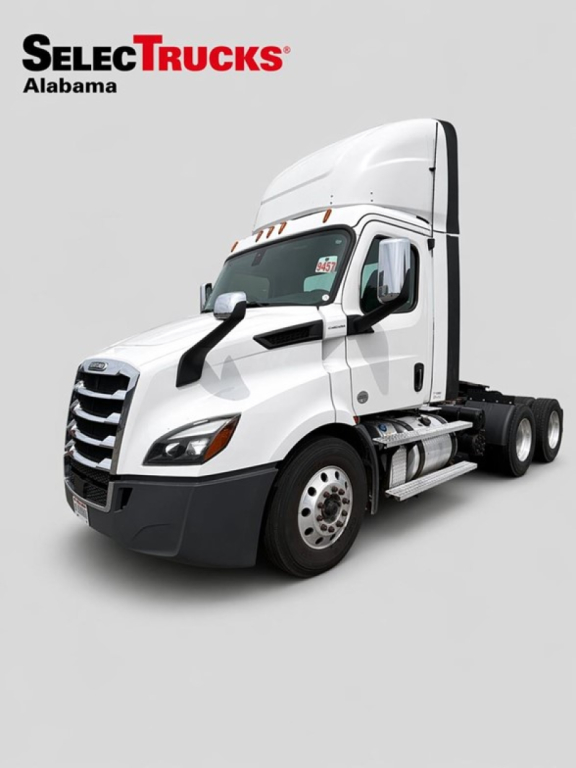
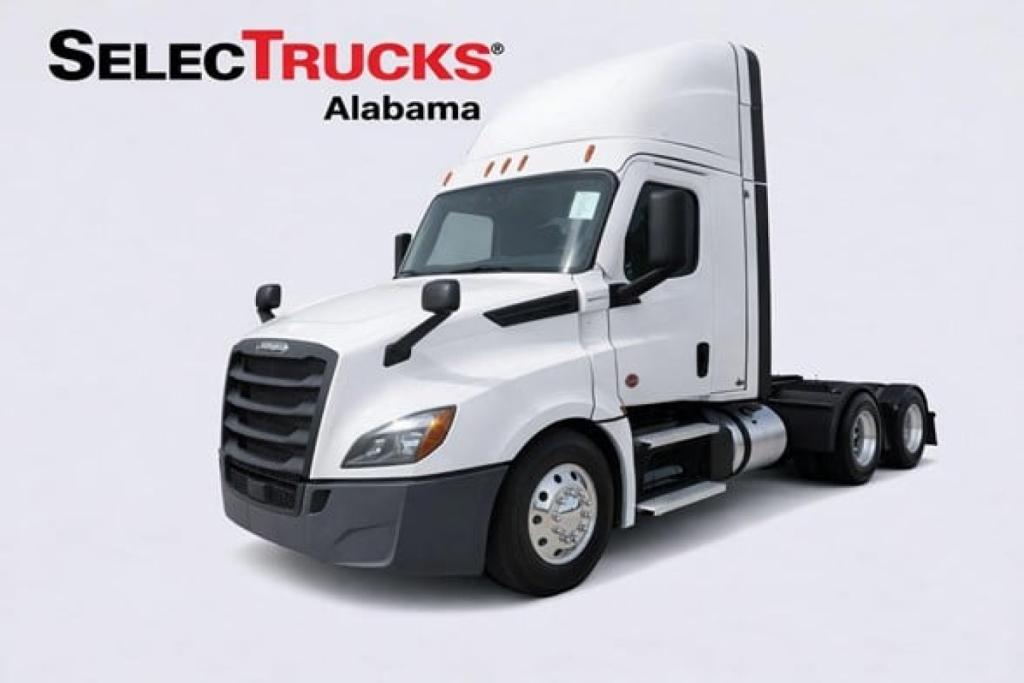
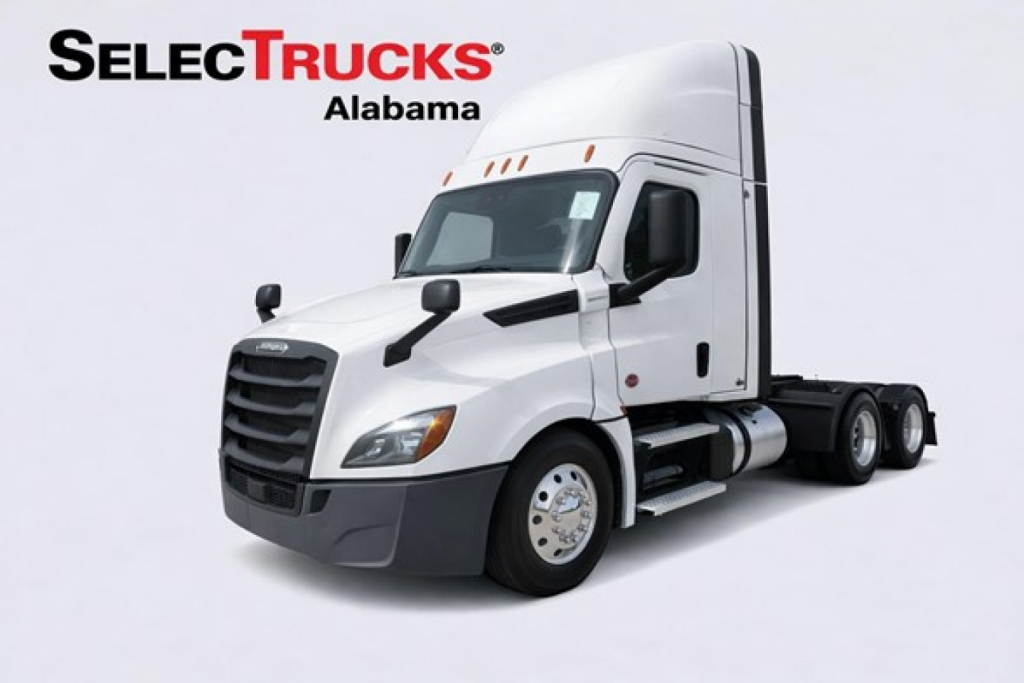
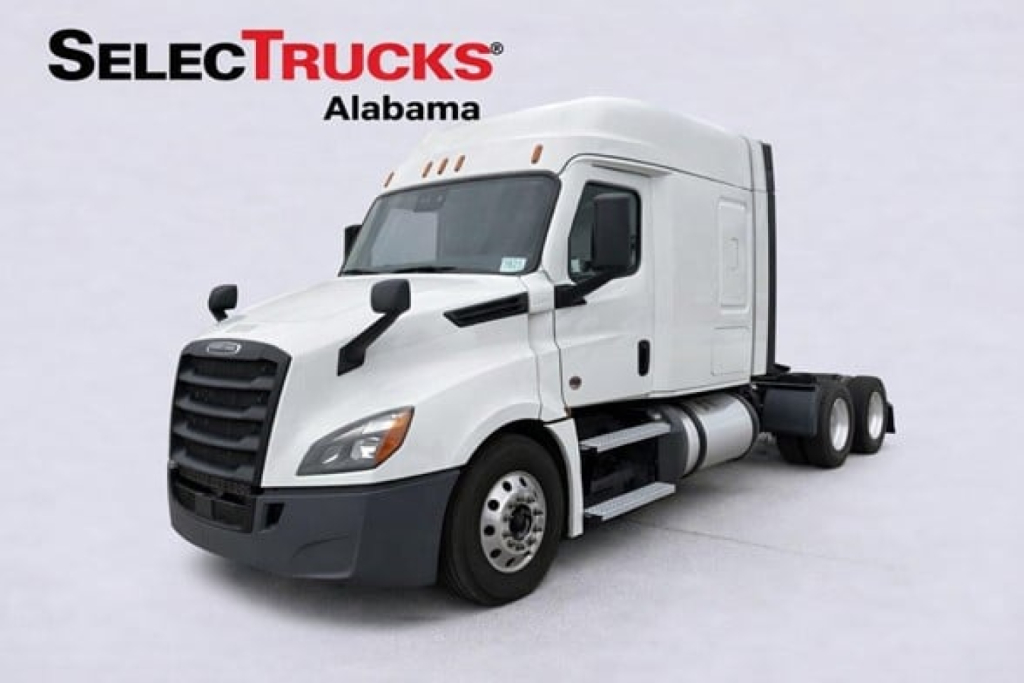
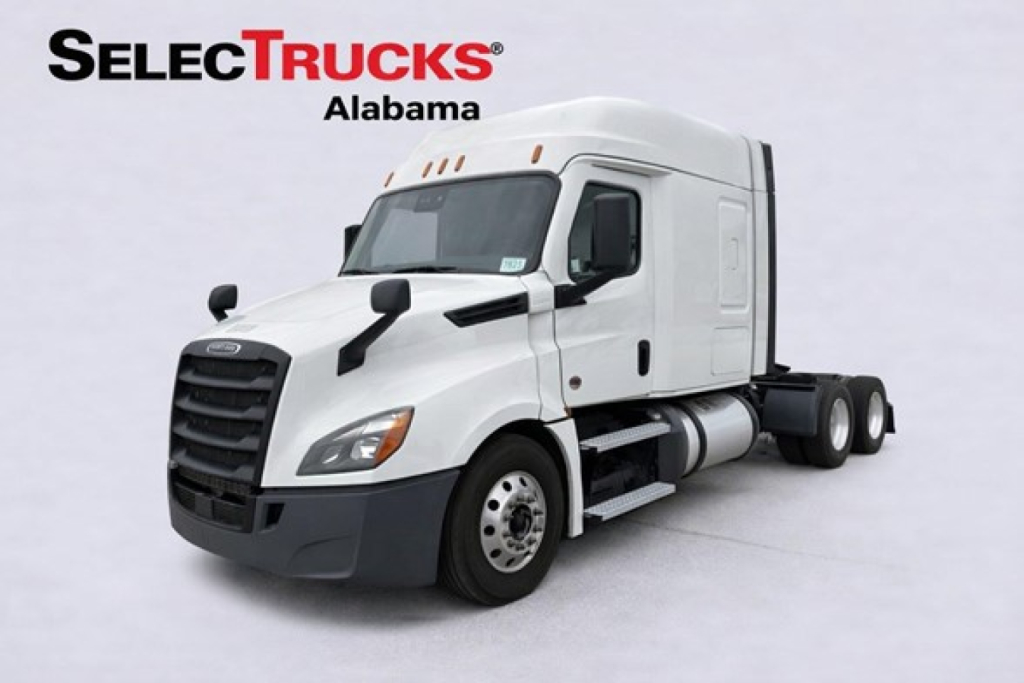
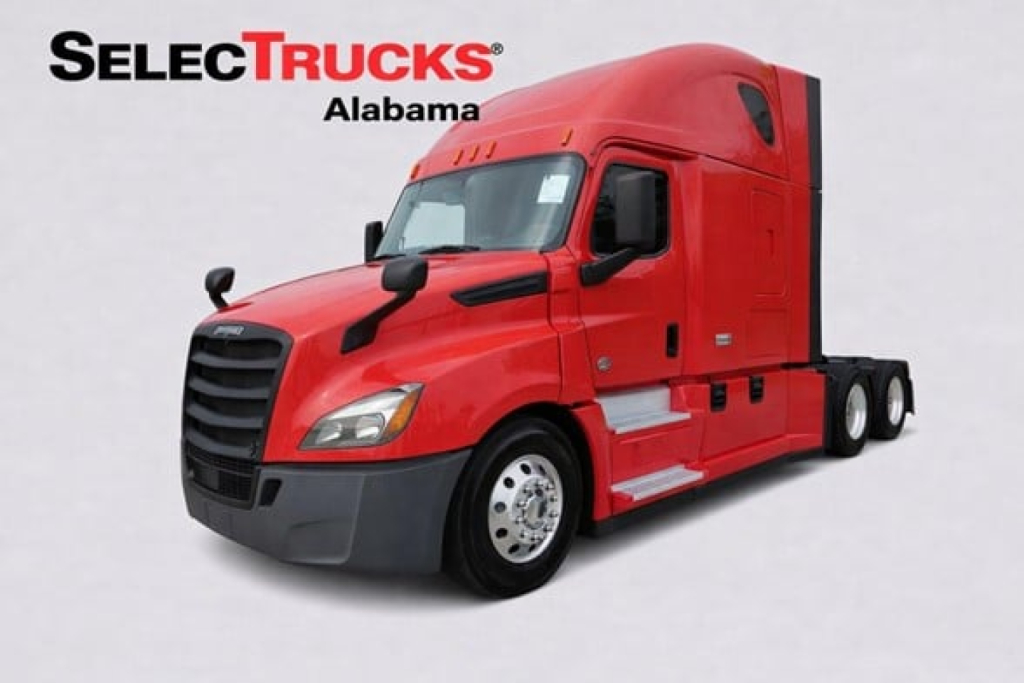
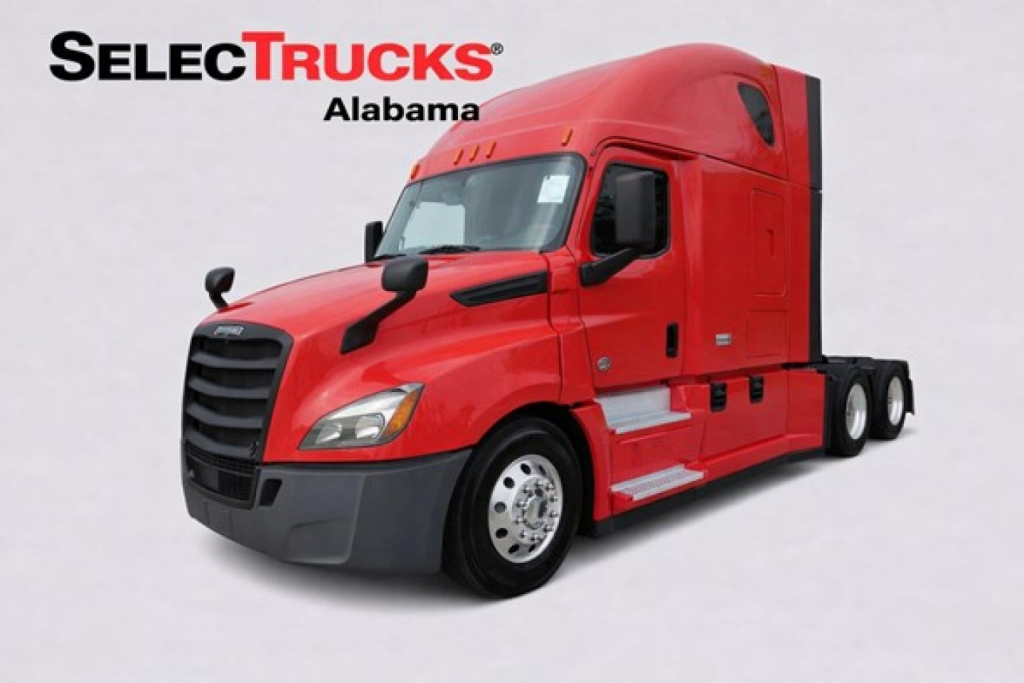
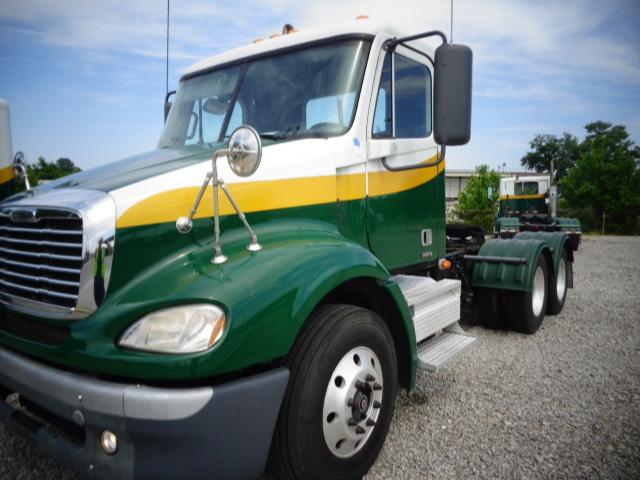
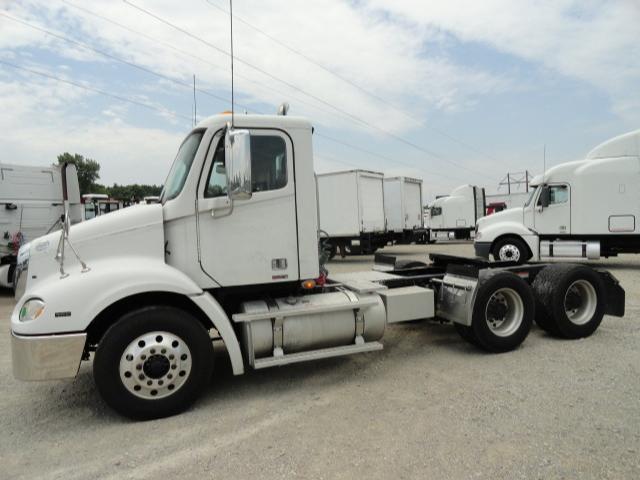
2021 Freightliner Cascadia 126
327,714 mi
Showing 1 to 24 of 83 results
Have commercial truck to sell? List it here to reach thousands of buyers.
Commercial Trucks Near Trussville, Alabama
Cargo bodies and decks drive productivity. For dry van and box trucks, floor strength is critical if loading by forklift, look for 18,000 to 24,000 pound forklift rating, 8 to 12 inch crossmember spacing, hardwood or laminated oak floors, aluminum threshold plates, and 12 to 24 inch scuff liners that protect wall panels. Logistics posts, E track, and load bars reduce wall damage and speed turns. Refrigerated trucks live or die by thermal integrity, closed cell foam insulation with 2.5 to 4 inch walls, seamless fiberglass reinforced plastic or bonded aluminum skins, insulated side and rear doors with multi lip seals, thermal breaks at the sill, and a straight drain path all preserve set point and protect the floor from freeze thaw damage. For dump bodies, abrasion resistant steel like AR400 or Hardox with 3/16 to 1/4 inch floors, closely spaced cross sills, and a properly sized hoist cylinder deliver durability under crushed rock or asphalt. Flatbed and stake bodies benefit from apitong or aluminum decks, full length rub rails, and ample tie downs for securement.
Tare weight determines payload and cost per mile. Aluminum cabs, wheels, fuel tanks, and van bodies can remove hundreds of pounds, single wide tires cut weight further and reduce rolling resistance, consider traction and chain law needs before switching. Air ride improves ride quality for sensitive freight, steel spring suspensions save weight and cost, choose based on freight and road mix. Sleeper cabs add roughly 1,000 to 1,500 pounds over day cabs, liftgates can add 500 pounds or more, and AMTs can weigh slightly more than manuals, all of which impact legal payload and profitability. Corrosion resistance protects resale and uptime in the Southeast climate, look for e coated or powder coated frames, hot dip galvanized or aluminum crossmembers under van and reefer bodies, sealed wiring harnesses with molded connectors, stainless or zinc nickel fasteners, aluminum or composite cabs and fairings, and underbody coatings on steel dump bodies. Regular wash routines and brine neutralizers help in winters when deicers are used on I 59 and local routes.
Safety and serviceability round out the spec. Air disc brakes shorten stops and simplify maintenance compared to drums, collision mitigation with radar camera fusion and lane departure alerts reduces risk in dense traffic, and TPMS helps preserve tire life and fuel economy. For PTO driven equipment like dumps and service bodies, confirm live PTO provisions, pump mounting space, and reservoir cooling. Plan for emissions reliability, check DPF and SCR service history, verify passive regen rates for your route profile, and ensure there is chassis space for aftertreatment and auxiliary equipment. Aero packages on tractors, roof caps on box trucks, and tight cab to body gaps reduce drag, while slider fifth wheels or adjustable body placements help balance axle weights. In Trussville, proximity to regional freight hubs favors specs that handle stop and go heat, maintain thermal integrity for perishables, keep tare weight low for maximum payload, and resist corrosion for long term value.
Frequently Asked Questions about Commercial Trucks Near Trussville, Alabama
What floor specs should I prioritize if I load box trucks with forklifts?
Look for a published forklift floor rating of at least 18,000 pounds, closer to 24,000 pounds if you handle heavy pallets. Tight crossmember spacing of 8 to 12 inches reduces deflection, and hardwood or laminated oak floors resist point loads from small forklift tires. Aluminum or stainless threshold plates, 12 to 24 inch scuff liners, and logistics posts or E track protect walls and keep the floor from being pried up at the rear door. Verify dock plate impact protection and the condition of rear sills if you hit docks daily.
How do I evaluate thermal integrity on a refrigerated truck body?
Thermal performance depends on insulation thickness and continuity, door sealing, and floor design. Closed cell foam in the 2.5 to 4 inch range with continuous panels limits conduction, seamless FRP or bonded aluminum skins reduce moisture intrusion, and multi lip seals on side and rear doors prevent air leaks. A duct or ducted aluminum floor should allow washdown without trapping water, and a proper thermal break at the rear sill protects the floor from freeze damage. Inspect for delamination, saturated insulation, and warped doors, and confirm the reefer unit can pull down to set point quickly in Alabama heat.
How much does tare weight vary across truck configurations, and why does it matter in Alabama?
Tare weight can vary by several thousand pounds between a day cab and a sleeper, steel spring and air ride, or steel and aluminum bodies. Every pound of tare reduces legal payload, which affects trip count and revenue on weight sensitive freight. Spec lighter components where they make sense, such as aluminum wheels and tanks, single wide tires, and composite fairings, while balancing traction needs and durability. Keep an eye on licensing thresholds, 26,000 pounds GVWR is the CDL breakpoint, and ensure axle group weights comply with bridge limits when distributing cargo over the wheelbase.
What corrosion protection features should I look for for trucks operating around Trussville, Alabama?
Humidity, rain, and occasional winter brine call for layered protection. Favor e coated or powder coated frames, galvanized or aluminum body subframes, stainless or zinc nickel hardware, sealed electrical harnesses with molded connectors and dielectric grease, and drain paths that prevent standing water in cross sills. For dump and service bodies, underbody coatings, epoxy primers, and abrasion resistant steels extend life. Regular washing, including behind fairings and inside frame rails, prevents buildup that traps moisture and accelerates corrosion.
Which axle ratio and transmission pairing works best for local and regional routes around Birmingham and I 59?
For mixed city and highway at 60 to 70 mph, pair an AMT with a rear axle ratio in the 2.47 to 2.85 range depending on tire size and whether the top gear is direct or overdrive. Aim for at least 15 percent startability for frequent stops and moderate grades, and set top gear cruise rpm in the engine’s efficient band, often 1,050 to 1,250 rpm for modern engines. If routes are mostly urban with low average speeds, a slightly higher numerical ratio improves launch and reduces clutch wear at the expense of highway fuel economy.