
Truck and Trailer Trucks For Sale in Minnesota
Shop truck and trailer trucks for sale in Minnesota. Compare specs, wheelbase, drivetrain, suspension, and vocational hauling fit.
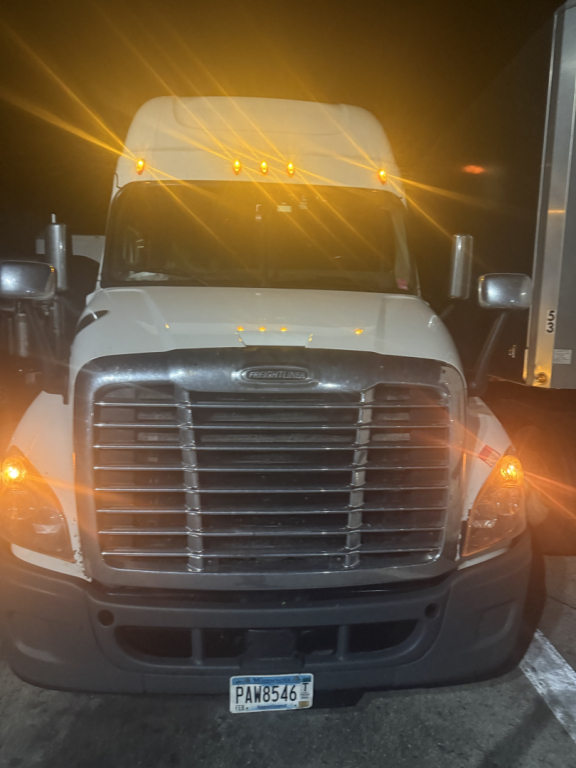

Selling a truck and trailer truck? List your truck and trailer truck for sale and reach thousands of commercial buyers.
Truck and Trailer Trucks in Minnesota
The core buying decisions usually start with engine, transmission, rear ratio, and suspension. A 13-speed or 18-speed manual remains popular in this class because it gives the driver tighter control over RPM, grade pulling, and gross combination weight across varying terrain and load types. Horsepower in the 450 to 600 range is typical, with heavy-haul or performance-minded buyers often leaning toward 550 horsepower setups paired with ratios like 3.36 or 3.55. Those specs affect launch, fuel mileage, and cruising RPM. Suspension matters just as much. Low air leaf and Flex Air systems are common on Peterbilt-style specs and can influence ride comfort, durability, and how the truck handles trailer weight transfer.
A buyer should also pay close attention to wheelbase, front and rear axle ratings, frame configuration, and fifth wheel setup. Wheelbases in the mid-260-inch to 275-inch range are often chosen for appearance, ride, and trailer tracking, but they can also affect turning radius and versatility in tighter loading areas. Front axles around 12,000 pounds and rear suspensions rated at 40,000 to 44,000 pounds are typical for general over-the-road and regional trailer work. Tire size, aluminum versus steel wheels, brake condition, and drivetrain service history are especially important on used truck and trailer tractors because repair cost can swing sharply based on transmission condition, clutch life, power divider work, and engine overhaul quality.
For Minnesota operators, cold-weather starting, heater performance, current inspection status, and corrosion exposure deserve extra scrutiny. Trucks that have spent time on winter roads should be checked closely for frame rust, wiring condition, air system leaks, brake hardware wear, and suspension bushing condition. If the truck will pull multiple trailer types, verify fifth wheel height, sliding fifth wheel travel, PTO needs, and compatibility with kingpin settings. A well-matched truck and trailer tractor should fit the freight, expected gross weight, route profile, and maintenance plan first. Chrome, wheel style, and interior trim matter, but drivetrain spec and structural condition are what determine long-term value.
Frequently Asked Questions about Truck and Trailer Trucks in Minnesota
What is a truck and trailer truck?
A truck and trailer truck is a road tractor designed to pull a semi-trailer using a fifth wheel connection. It is also commonly called a semi tractor, highway tractor, or conventional tractor. The truck itself carries the engine, cab, drive axles, and coupling equipment, while the trailer carries the freight. Buyers in this category usually compare axle configuration, engine and transmission specs, wheelbase, suspension type, and intended trailer applications.
What specs matter most when buying a used truck and trailer tractor?
The most important specs are engine model and service history, transmission type, rear axle ratio, suspension design, wheelbase, axle ratings, and overall frame condition. On a used tractor, documented overhaul work, clutch history, power divider repairs, brake condition, and tire condition can be just as important as make and model. The right combination depends on the weight you plan to pull, average road speed, terrain, and whether the truck will run regional, long-haul, agricultural, or heavier specialized work.
Is a 13-speed or 18-speed better for truck and trailer work?
A 13-speed is a strong choice for many general freight and regional applications because it offers good flexibility without the extra shift splits of an 18-speed. An 18-speed is often preferred for heavier loads, more frequent off-road use, or drivers who want finer control when starting, climbing grades, or managing engine speed under changing load conditions. The best choice depends on gross combination weight, route profile, and driver preference, not just horsepower.
How do wheelbase and rear ratio affect performance?
Wheelbase affects ride quality, trailer tracking, and maneuverability. A longer wheelbase can improve highway ride and visual appeal, but it usually increases turning radius and may limit flexibility in tight yards or loading docks. Rear ratio affects acceleration, gradeability, and cruising RPM. A numerically higher ratio like 3.55 generally improves pulling power and launch feel, while a lower ratio like 3.36 may help highway fuel economy when matched correctly to tire size, transmission, and engine torque.
What should Minnesota buyers inspect on a used truck and trailer tractor?
Minnesota buyers should inspect for cold-weather wear and corrosion first. That includes frame rails, crossmembers, brake components, air tanks, wiring, battery boxes, and suspension hardware exposed to winter road treatment. It is also smart to verify heater and defroster performance, engine brake operation, tire condition, and any signs of air leaks or hard starting. A clean title, current inspection status, and clear records on major drivetrain work add real value because winter operation can accelerate wear when maintenance has been inconsistent.