
Mack Truck and Trailer Trucks For Sale
Explore Mack truck and trailer trucks for sale, including heavy-haul specs, drivetrain options, suspensions, towing gear, and vocational uses.
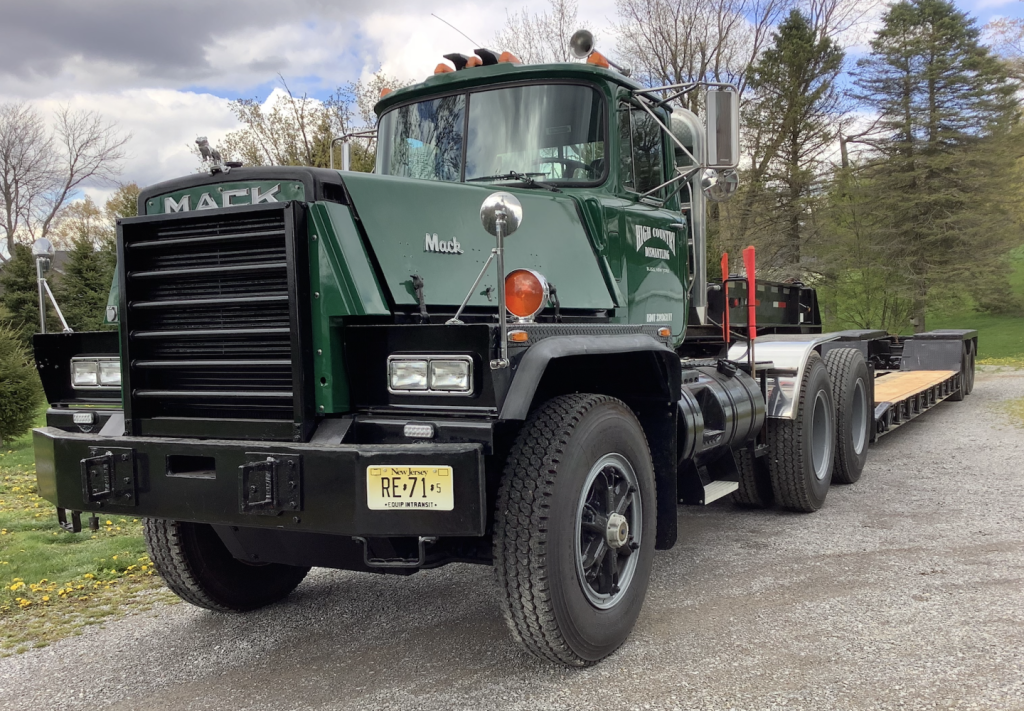
Selling a mack truck and trailer truck? List your mack truck and trailer truck for sale and reach thousands of commercial buyers.
Mack Truck and Trailer Trucks
The first thing to evaluate is how the truck is expected to move the load. Mack truck and trailer units can be spec'd with camelback or walking beam suspensions, heavy rear axle ratings, double or triple frame rails, and transmission choices ranging from manual gearboxes to Allison automatics. For buyers pulling lowbeds, equipment trailers, or tag-alongs, rear axle ratio, suspension type, and hitch capacity matter as much as horsepower. A truck with a wetline and PTO is important if the trailer uses hydraulic detach or other hydraulic functions. If the truck will see off-road jobsite service, look closely at ground clearance, crossmember condition, locking differentials, and how the wheelbase matches the intended trailer and turning radius.
Mack is a strong fit for this category because the brand has long been associated with severe-service trucks that hold up under repeated loading cycles and rough terrain. Models in this segment are often built around vocational chassis with heavy front axles, robust brake packages, and frame layouts designed for towing, hauling, or supporting body equipment. Buyers should confirm the exact fifth wheel rating or pintle capacity, check for frame modifications, and verify whether the truck was originally ordered for municipal, contractor, or specialized fleet service. A former municipal unit can offer low miles and heavy specs, but idle hours, corrosion exposure, and PTO usage still need to be reviewed carefully.
When comparing listings, focus on the truck as a working combination unit rather than just an engine and cab. Trailer compatibility, hydraulic setup, wheelbase, axle spread, brake type, tire size, and suspension design all affect how the truck performs in the field. It also helps to confirm emissions generation, registration class, and whether the setup suits local bridge laws and weight regulations. A well-matched Mack truck and trailer configuration can be an efficient solution for hauling machines, moving aggregate equipment, supporting paving crews, or handling municipal heavy-duty transport where a standard road tractor would be out of place.
Frequently Asked Questions about Mack Truck and Trailer Trucks
What is a Mack truck and trailer truck typically used for?
A Mack truck and trailer truck is typically used for vocational hauling where the truck itself is built to pull a heavy trailer and often support specialized towing or hydraulic functions. Common uses include hauling construction equipment on lowboys or tag trailers, supporting paving and site work, municipal transport, and moving machinery in applications that require a tougher chassis than a standard highway tractor.
What specs matter most when buying a Mack truck and trailer unit?
The most important specs are axle ratings, suspension type, frame strength, hitch or fifth wheel capacity, transmission, wheelbase, and whether the truck has a PTO and wet kit. Buyers should also verify engine horsepower and torque, rear axle ratio, brake configuration, and tire size because those details determine how well the truck can start, stop, and maneuver with a loaded trailer.
Is a walking beam or camelback suspension better for this type of truck?
That depends on the job. Walking beam and camelback suspensions are both common on heavy vocational Mack trucks because they are durable and well suited for rough surfaces and repeated loading. They are often preferred for construction, municipal, and off-road service, while air ride may be chosen when ride quality or cargo protection matters more. The right choice depends on trailer type, terrain, and payload.
Why is a wetline important on a truck and trailer setup?
A wetline supplies hydraulic power from the truck to the trailer or attached equipment. It is important when pulling hydraulic detachable lowboys, dump-style trailer systems, or other equipment that relies on PTO-driven hydraulics. If the trailer requires hydraulic functions, the truck needs a properly configured PTO, reservoir, plumbing, and controls to operate the setup safely and efficiently.
Should I consider a former municipal Mack truck and trailer truck?
A former municipal truck can be a good value because these units are often ordered with very heavy specs and may have relatively low mileage. The tradeoff is that buyers need to inspect them for corrosion, idle hours, PTO wear, and any nonstandard fleet modifications. Service records, frame condition, hydraulic system condition, and evidence of consistent maintenance are especially important on ex-municipal equipment.