
Used Tow Trucks For Sale in New Jersey
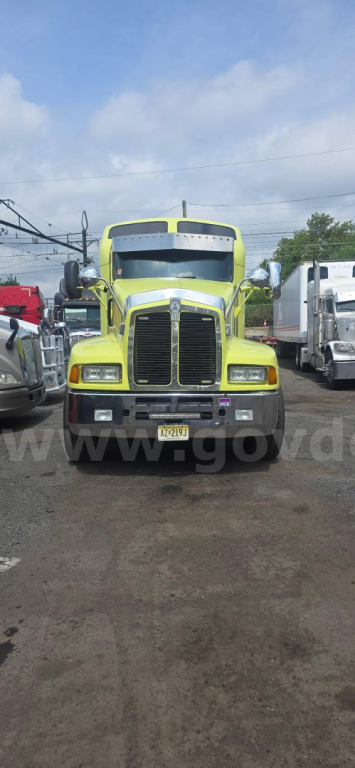
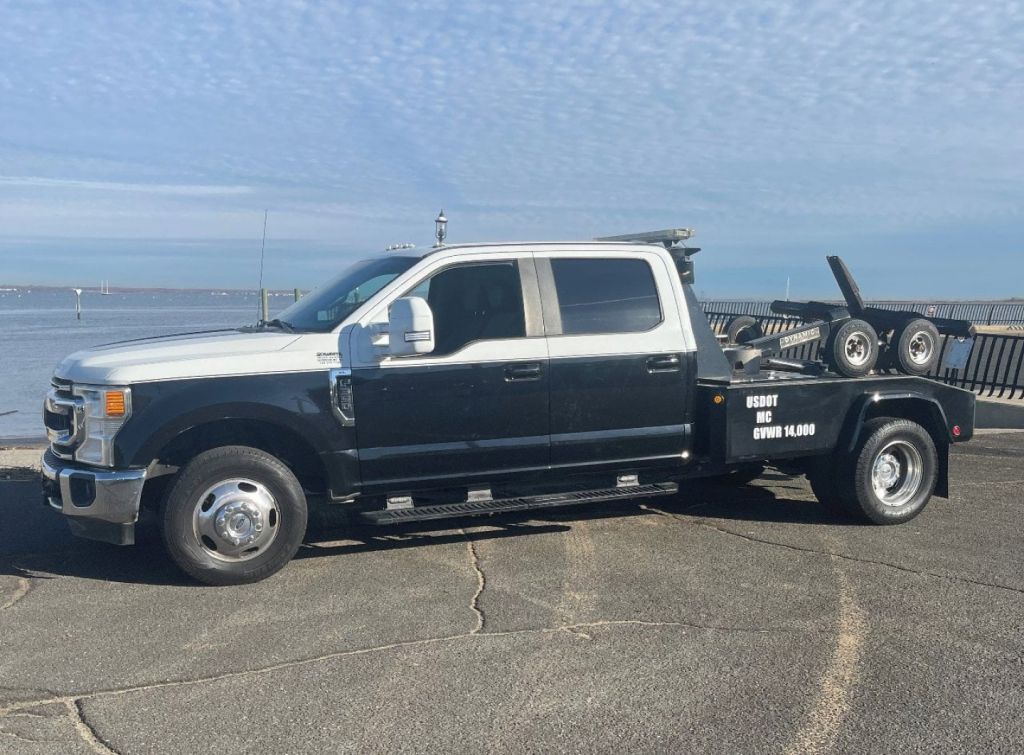
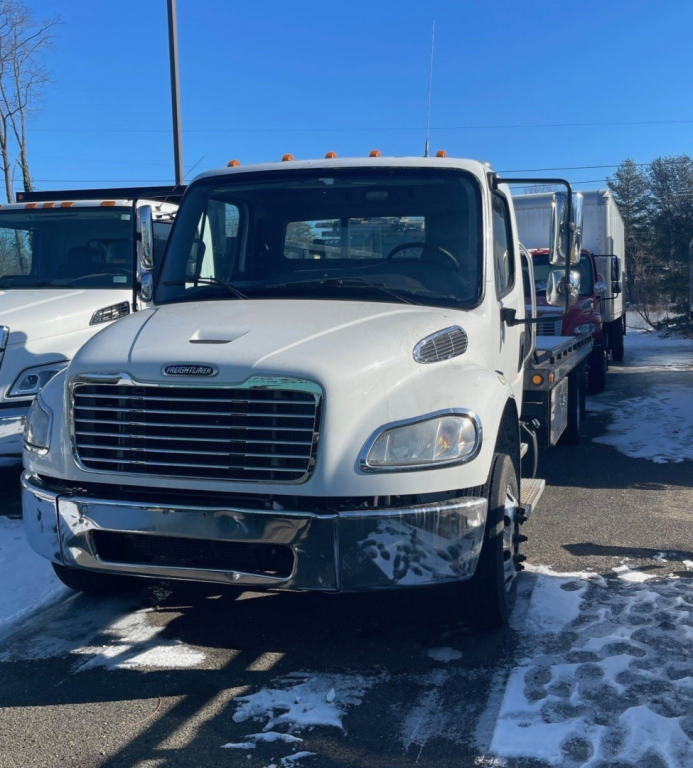
Have used tow truck to sell? List it here to reach thousands of buyers.
Used Tow Trucks in New Jersey
The bed and towing equipment deserve close attention on a used tow truck. Carrier lengths around 19 to 22 feet are common, with low-profile decks and beavertail designs helping with approach angle for cars, crossovers, and lowered vehicles. On a rollback, look at deck construction, bed cylinder condition, winch rating, tie-down points, and wear at the tail section where repeated loading shows up first. On a wheel-lift or self-loader, inspect boom pins, pivot points, hydraulic hoses, forks, L-arms, crossbar setup, and the condition of the underlift. Buyers in New Jersey often work in tighter streets, parking structures, and high-traffic corridors, so wheelbase, turning radius, and mirror visibility can matter as much as raw towing numbers.
Powertrain choice affects operating cost and duty cycle. Diesel chassis like the Isuzu NRR or Freightliner M2 are common on rollback applications because they handle frequent hauling and higher GVWRs well, while gas-powered light-duty wreckers on Ford Super Duty chassis remain popular for municipal towing, roadside service, and repossession work. Automatic transmissions are standard across most modern used tow trucks and are usually preferred for stop-and-go service. Check GVWR, rear axle rating, brake type, PTO or hydraulic setup, and the actual lifting and towing ratings of the body, not just the chassis badge. A truck may have enough engine and frame for the job but still be limited by the installed carrier, wheel-lift, or winch capacity.
Condition matters more than model year in this segment because tow trucks live on hydraulics, frame strength, and body integrity. Inspect the subframe, rear frame extensions, deck rollers, winch cable or synthetic line, wheel-lift geometry, and any signs of stress cracking near body mounts. In coastal New Jersey and high-salt winter markets, corrosion on bed hardware, electrical connections, and hydraulic components can turn into downtime quickly. Service history, body manufacturer reputation, and evidence of regular greasing and hydraulic maintenance are strong indicators of remaining life. The best used tow truck is the one whose chassis, body configuration, and capacity match the kind of calls it will actually run every day.
Frequently Asked Questions about Used Tow Trucks in New Jersey
What is the difference between a rollback tow truck and a wheel-lift wrecker?
A rollback tow truck uses a tilting, sliding bed to load the entire vehicle onto the deck, which makes it the better choice for damaged vehicles, all-wheel-drive cars, low-clearance units, and longer-distance transport. A wheel-lift wrecker lifts one end of the vehicle off the ground and tows it with the other axle rolling, which is usually faster for impounds, repossessions, and short local moves. The right choice depends on the type of vehicles being handled, the condition they arrive in, and how often tight urban recoveries are part of the job.
What GVWR and chassis class are common for used tow trucks?
Light-duty tow trucks are often built on Class 3 to Class 5 chassis such as a Ford F-350 or similar platform, while rollback carriers commonly step into Class 5 and Class 6 chassis like the Isuzu NRR or Freightliner M2 106. Typical GVWRs can range from around 14,000 pounds on smaller self-loaders to roughly 25,950 pounds or more on medium-duty carriers. Buyers should verify both the chassis ratings and the installed body ratings because the towing and hauling limits are determined by the complete truck, not the cab and frame alone.
What should I inspect first on a used tow truck?
Start with the hydraulic system, bed or wheel-lift structure, and frame condition. Look for leaks at cylinders and hose connections, uneven bed movement, worn pins and bushings, deck damage, stress cracks near mounts, and corrosion on crossmembers or rear extensions. After that, review winch function, PTO engagement, electrical wiring, lighting, tire wear, and brake condition. A clean service history with regular hydraulic maintenance is often more valuable than a newer model year with little documentation.
Are diesel or gas tow trucks better for New Jersey towing work?
Diesel tow trucks are usually favored for medium-duty rollback service because they offer strong torque, higher-duty cooling and drivetrain components, and better suitability for frequent loaded hauling. Gas-powered tow trucks remain a solid fit for light-duty self-loader and local service work where acquisition cost, maintenance simplicity, and lower annual mileage matter more. In New Jersey, route density, idle time, bridge and street restrictions, and the mix of local recovery versus scheduled transport should guide the decision more than fuel type alone.
Why does bed length and deck height matter on a carrier?
Bed length affects the types of vehicles a rollback can transport and how well the load can be positioned for axle balance. Deck height and beavertail design affect loading angle, which is critical for sports cars, EVs, forklifts, and other low-clearance equipment. A lower-profile carrier generally loads difficult vehicles more easily and with less risk of bumper or underbody contact. Buyers should also consider how the bed length interacts with wheelbase and turning radius, especially in dense New Jersey traffic and older urban streets.