
Used 2019 Tow Trucks For Sale
Shop used 2019 tow trucks including rollback carriers and wreckers. Compare GVWR, bed length, wheel-lift capacity, winch, and chassis specs.
Learn moreBrowse Tow Trucks by Make
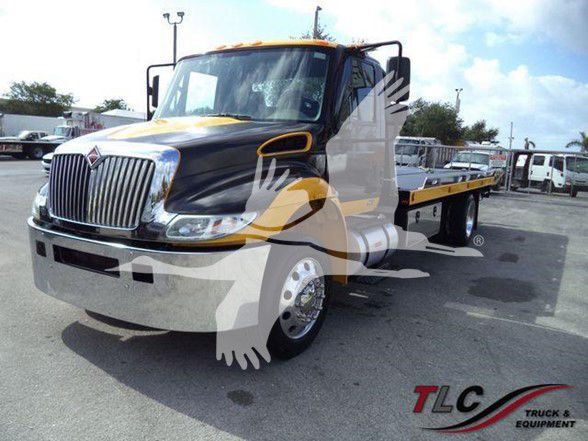
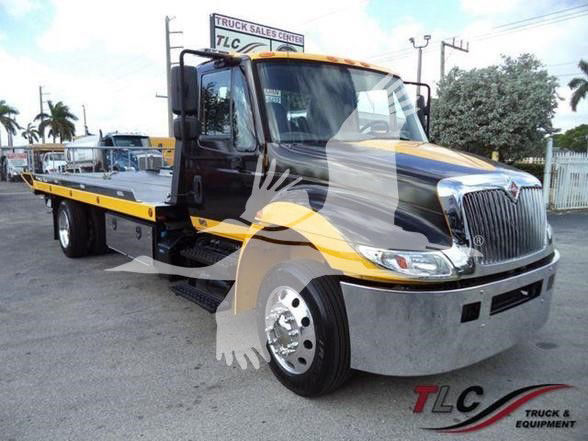
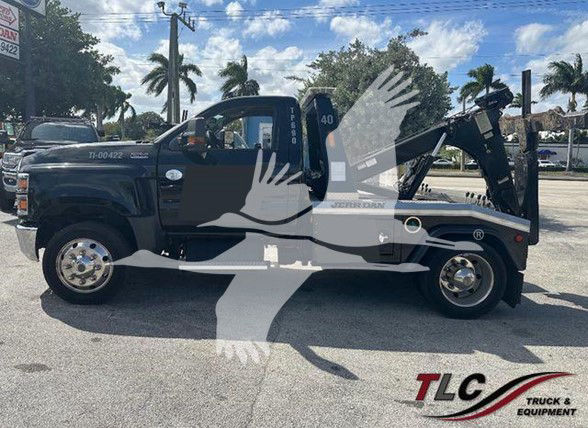
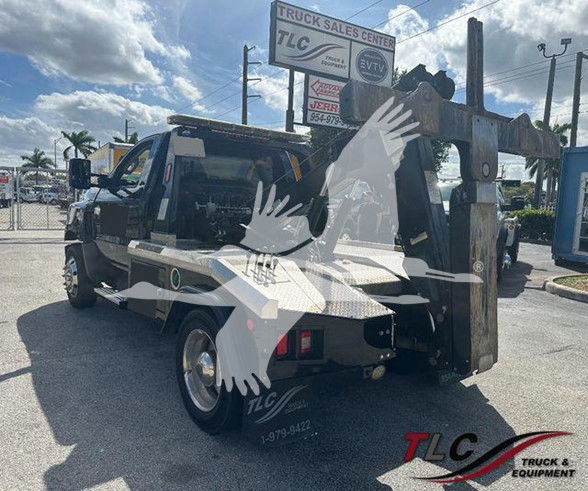
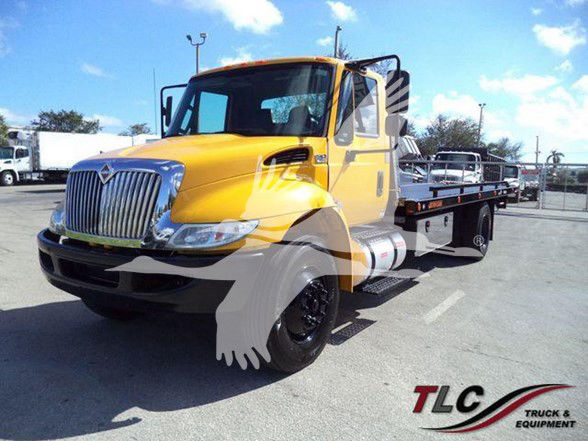
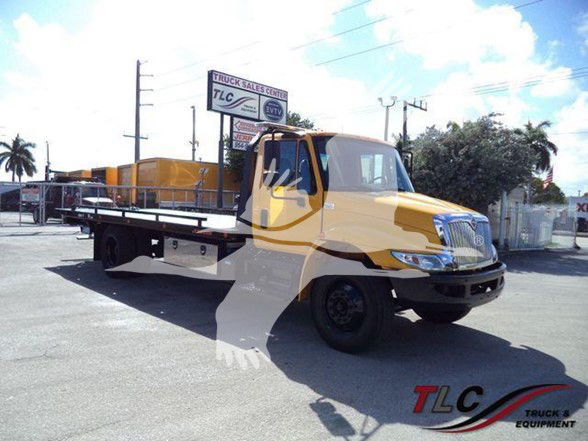
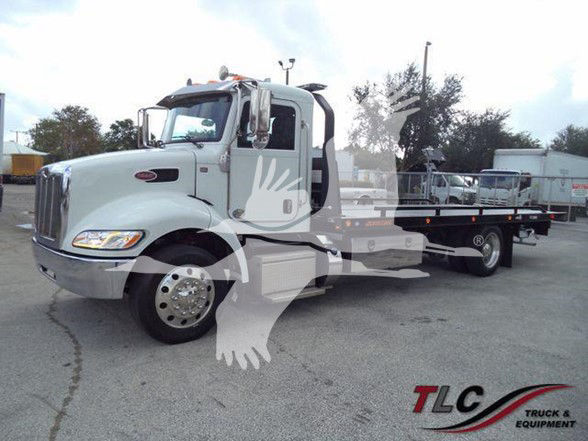
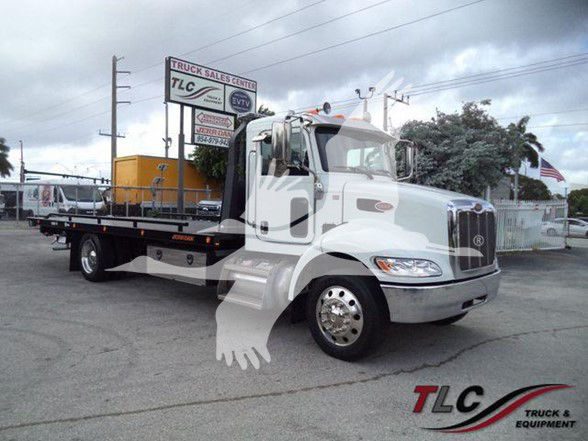
Showing 1 to 12 of 13 results
Have used 2019 tow truck to sell? List it here to reach thousands of buyers.
About Used 2019 Tow Trucks
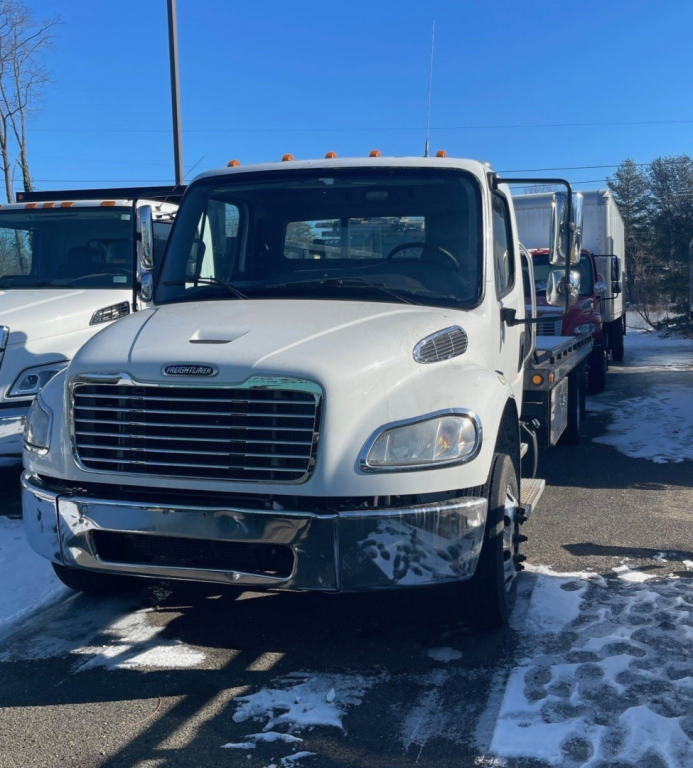
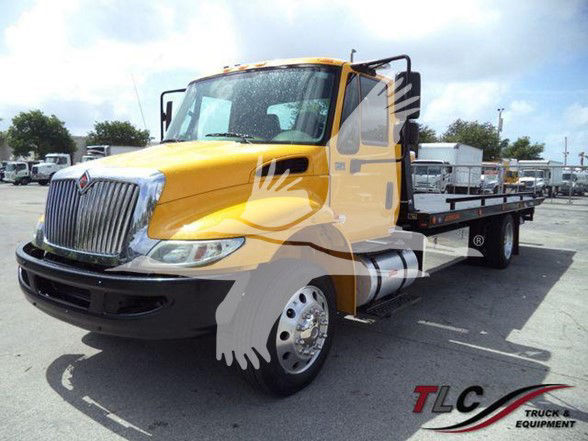
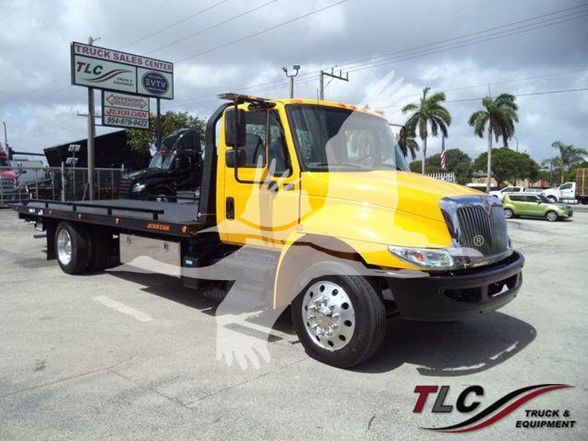
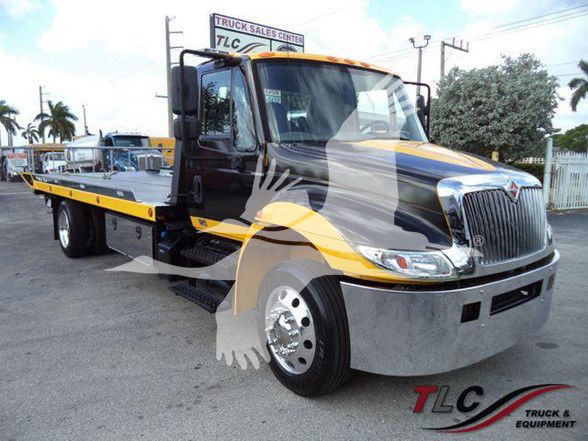
Most 2019 tow listings in this category are rollback car carriers, also known as slidebacks or flatbed tow trucks, with 20 ft to 22 ft decks and widths around 100 to 102 inches. Many use low-profile or XLP-style decks to improve loading angle on lowered cars, EVs, performance vehicles, and long-wheelbase pickups. A typical setup includes a 6-ton steel deck, an 8,000 lb to 10,000 lb winch, removable rails, dual toolboxes, LED work lighting, and a 3,500 lb wheel lift for secondary towing. Buyers should pay close attention to deck length, deck height, wheel-lift rating, winch capacity, and whether the body uses a stationary pylon or a dual-angle design. Those details affect approach angle, ground clearance, tie-down points, and how efficiently the truck handles accident work, dealership moves, private property impounds, and general roadside service.
On heavier tow trucks, chassis specs become more critical. Tandem-axle units with double frames, dual steering boxes, 18-speed manual or heavy Allison transmissions, 20,000 lb front axles, 40,000 lb rears, and 60,000 lb GVWR are built for large vehicle transport, bus and truck relocation, or severe-duty recovery support. Wheelbase matters because it influences deck length, body placement, turning radius, and bridge law considerations. Tire size, rear axle ratio, suspension type, and front axle capacity also affect how the truck handles concentrated loads and front-end weight from wheel-lift use. If the truck will spend time in urban towing, a lighter single-axle carrier may be the better fit. If the operation includes equipment hauling or commercial vehicle recovery, the heavier chassis is usually worth the added operating cost.
Condition on a used 2019 tow truck should be judged by more than miles and engine hours. Check for bed wear, hydraulic leaks, winch function, cable or synthetic line condition, wheel-lift bushings, cylinder seals, subframe integrity, PTO engagement, and signs of frame modification. Review corrosion on crossmembers, deck surfaces, toolbox floors, and underbody components, especially on trucks from snow-belt states. It also pays to confirm emission system service history, brake condition, tire age, and whether the upfit is original or recently installed. A 2019 chassis with a newer Jerr-Dan or similar carrier body can offer a strong balance of price, appearance, and service life, but buyers should still verify weight ratings and axle distribution to make sure the truck is legal and practical for its intended towing class.
Frequently Asked Questions
What should I look for first on a used 2019 tow truck?
Start with the body type and weight ratings, then move to the chassis and hydraulic system. For most buyers, the key items are GVWR, front and rear axle ratings, deck length, wheel-lift capacity, and winch rating. After that, inspect PTO operation, hydraulic cylinders, bed structure, frame condition, and service records for the engine, transmission, brakes, and emissions system. A tow truck can look clean and still be poorly matched to the work if the capacities or deck design are wrong.
What is the difference between a rollback tow truck and a wrecker?
A rollback tow truck, also called a carrier or slideback, uses a tilting and sliding deck to load the entire vehicle onto the bed. A wrecker typically uses a boom and wheel-lift to tow a vehicle with two wheels on the ground. Rollbacks are preferred for all-wheel-drive vehicles, low-clearance cars, damaged vehicles, and equipment that should not be dollied or towed conventionally. Wreckers are often faster for short-hook roadside jobs and repositioning vehicles in tight spaces.
Is a 26,000 lb GVWR tow truck enough for most towing businesses?
For many local operators, a 26,000 lb GVWR medium-duty rollback is a practical sweet spot. It commonly handles passenger vehicles, light trucks, vans, and many commercial fleet units without requiring a heavier tandem-axle platform. It also tends to be easier to maneuver in town and can lower operating costs. The limit is that heavier pickups, loaded work trucks, and commercial recovery jobs can quickly push axle capacities and wheel-lift ratings, so the actual use case matters more than the headline GVWR.
Why does deck style matter on a 2019 rollback tow truck?
Deck style directly affects loading angle, ground clearance, and the range of vehicles the truck can safely handle. Low-profile and XLP decks are useful for sports cars, EVs, lowered vehicles, and longer wheelbase units because they reduce the chance of scraping during loading. Dual-angle or shark-style decks can improve breakover and approach geometry. Buyers who handle mixed traffic should compare bed height, pylon design, rail setup, and tie-down access before focusing on cosmetic features.
Does a newer tow body on a 2019 chassis add value?
It can, especially when the upfit is from a recognized manufacturer and the installation is documented correctly. A newer carrier body may mean fresher hydraulics, less deck wear, updated lighting, better wheel-lift components, and remaining structural warranty coverage from the body builder. The buyer still needs to confirm that the chassis frame, PTO setup, electrical integration, and axle weights are correct for the body. A newer bed does not automatically fix a worn chassis or an under-specced truck.