
Used 2018 Peterbilt Tow Trucks For Sale
Shop used 2018 Peterbilt tow trucks, including rollback carriers and wreckers, with specs on GVWR, winches, wheel-lifts, and chassis options.
Learn more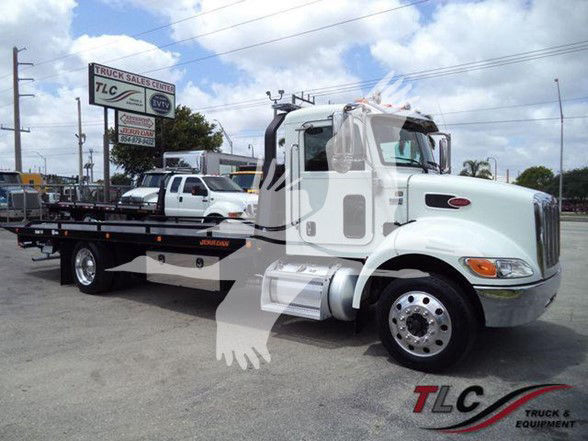
Have used 2018 peterbilt tow truck to sell? List it here to reach thousands of buyers.
About Used 2018 Peterbilt Tow Trucks
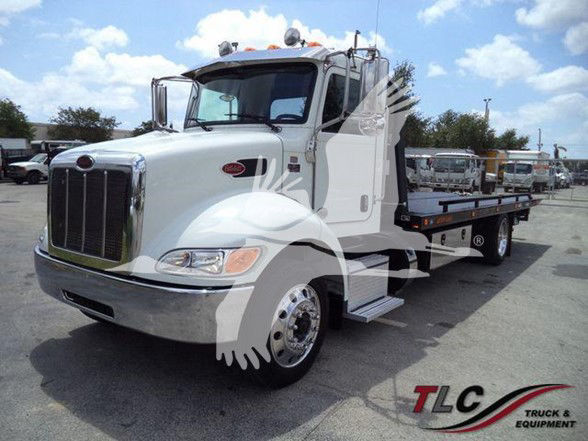
For local repossession, parking enforcement, dealer transport, and roadside assistance, a 2018 Peterbilt 337 is a common fit. These trucks are often built around a Cummins 6.7L or PX-7/PX-9 platform with an Allison automatic, air brakes, and a 22-foot steel or aluminum carrier bed. Typical specs in this class include a 26,000 lb GVWR, an 8,000 lb to 10,000 lb winch, and a wheel-lift rated around 3,500 lbs. A low-profile carrier body, removable rails, toolbox space, LED lighting, and dual free-spool winch setup can matter more in daily use than cosmetic options. Buyers comparing rollback trucks should pay close attention to bed length and width, deck angle, underlift rating, and how much payload remains once the body is installed.
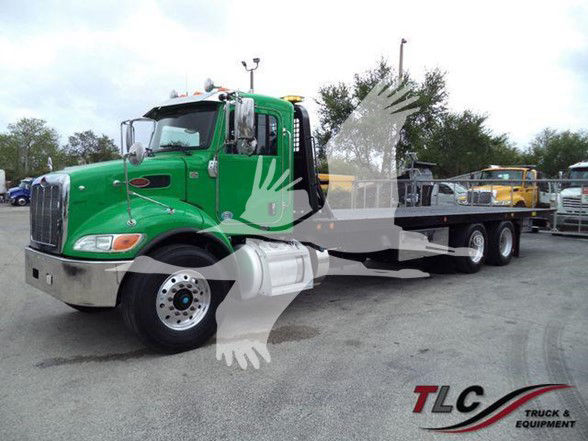
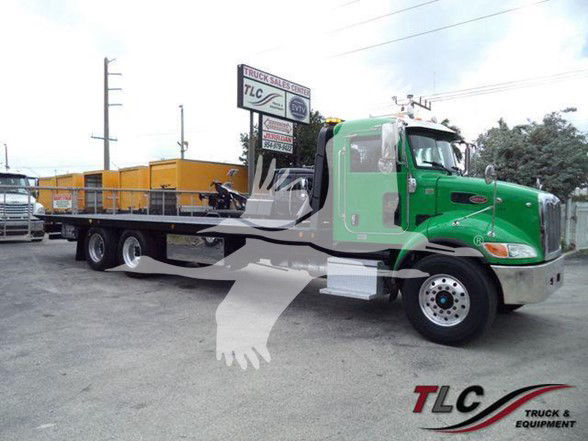
For heavier towing, a 2018 Peterbilt 348 or similar medium-duty configuration usually brings more front axle capacity, stronger rear axles, a double-frame chassis, and higher GVWR. These trucks may use a PX-9 or larger diesel with 300 to 350 hp or more, paired with an Allison 3000 series transmission and a PTO-driven hydraulic package. On heavier tow builds, features like a 20,000 lb winch, hydraulic wheel-lift, pintle hitch, engine brake, and 60,000 lb GVWR are common indicators that the truck was spec'd for commercial recovery, utility fleet support, or equipment transport rather than routine passenger-car work. Wheelbase, rear suspension type, and axle ratio all affect turning radius, highway manners, and how the truck handles with a vehicle on the deck or underlift.
Condition matters as much as specification on a used 2018 tow truck. Service records for the chassis and the towing equipment are worth reviewing closely, especially hydraulic cylinder condition, winch performance, bed pins, deck rollers, wheel-lift wear, PTO operation, and any frame modifications. Engine hours can tell as much as odometer miles on a tow application, particularly for trucks that spend long periods idling on scene. Buyers should also verify DOT lighting, air brake condition, tire size and load range, and whether the truck’s current setup matches local licensing, CDL, and weight requirements. A properly spec'd 2018 Peterbilt tow truck can still be a strong revenue unit if the carrier or wrecker body matches the job mix and the truck has been maintained with the same discipline as the vehicles it was built to recover.
Frequently Asked Questions
What is the most common 2018 Peterbilt tow truck configuration?
The most common 2018 Peterbilt tow truck setup is a medium-duty rollback or carrier built on a Peterbilt 337 chassis. These trucks are frequently equipped with a Cummins diesel, Allison automatic transmission, air brakes, a 22-foot carrier bed, an 8,000 lb to 10,000 lb winch, and a 3,500 lb wheel-lift. This configuration is popular because it can handle passenger vehicles, light trucks, dealer transfers, and general roadside calls without moving into heavy-wrecker operating costs.
Is a 2018 Peterbilt 337 enough for towing work, or should I look for a 348?
A Peterbilt 337 is usually the better fit for light-duty and most medium-duty carrier work, especially if the truck will spend its time on cars, pickups, and local service calls. A Peterbilt 348 makes more sense when higher axle ratings, a stronger frame, a larger PTO-driven hydraulic system, and greater winch or underlift capacity are needed. The right choice depends on the heaviest unit you plan to recover or transport, not just the body style.
What should I inspect on a used 2018 Peterbilt tow truck before buying?
Focus on both the chassis and the towing equipment. Key inspection points include engine hours, idle time, transmission operation, PTO engagement, hydraulic leaks, bed structure, wheel-lift wear, winch function, cable or rope condition, frame integrity, and axle ratings. It is also smart to confirm that the carrier body, underlift, and winch capacities match the truck’s intended use and that any upfit work was done cleanly without compromising the frame or electrical system.
Do I need a CDL for a 2018 Peterbilt tow truck?
It depends on the truck’s GVWR, the combined weight of the truck and what it is hauling, and the laws in the state where it will operate. Many 26,000 lb GVWR rollback trucks are purchased specifically to stay at or below common CDL thresholds, but actual licensing requirements can still vary based on usage and combined weight. Buyers should verify local CDL, towing endorsement, and registration rules before choosing a chassis and body combination.
What body features matter most on a 2018 Peterbilt rollback tow truck?
The most important body features are deck length, bed width, deck angle, winch rating, wheel-lift capacity, toolbox layout, tie-down points, and rail design. A low center of gravity carrier body can improve loading angles and reduce problems with low-clearance vehicles. Buyers running daily urban calls should also value turning radius, visibility, lighting, and controls that are simple and durable enough for repeated loading cycles.