
2022 Peterbilt Tow Trucks For Sale
Shop 2022 Peterbilt tow trucks, including rollback and carrier setups with Cummins power, Allison automatics, wheel lifts, and Jerr-Dan bodies.
Learn more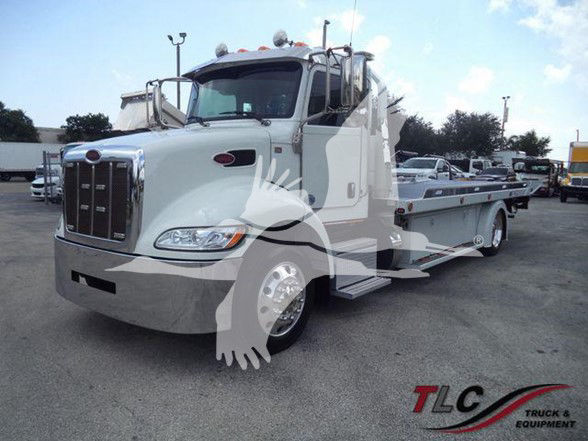
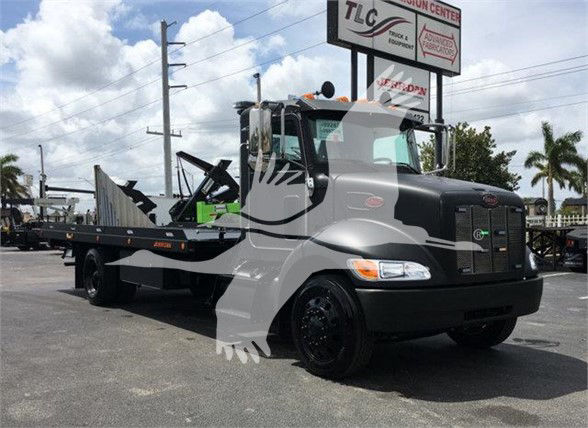
Have 2022 peterbilt tow truck to sell? List it here to reach thousands of buyers.
About 2022 Peterbilt Tow Trucks
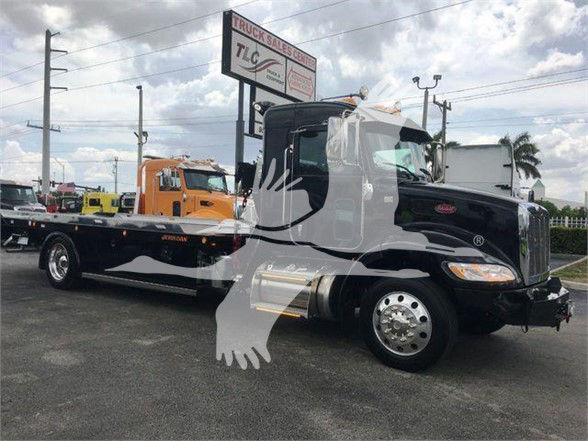
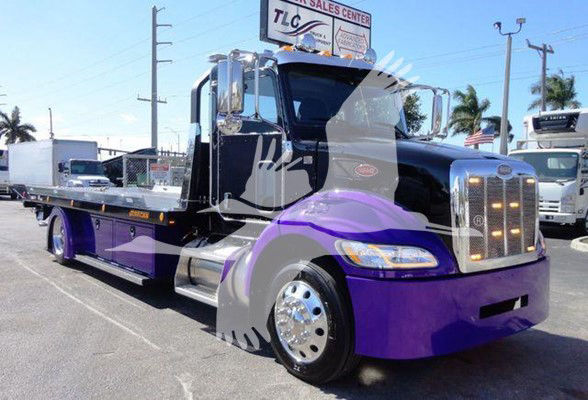
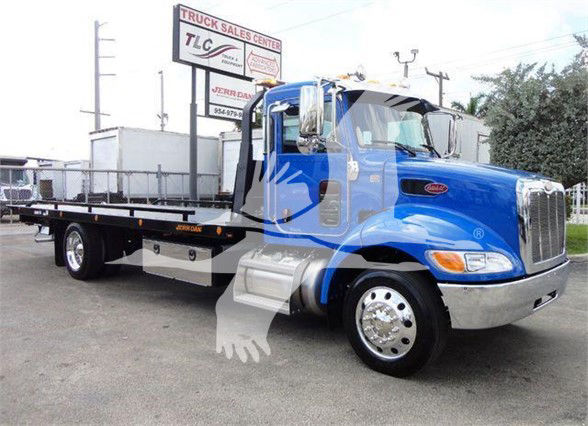
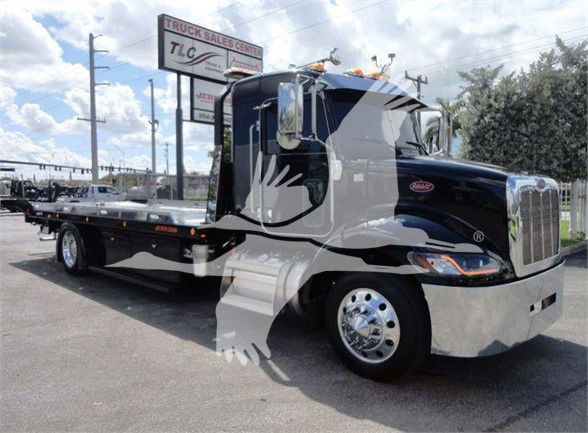
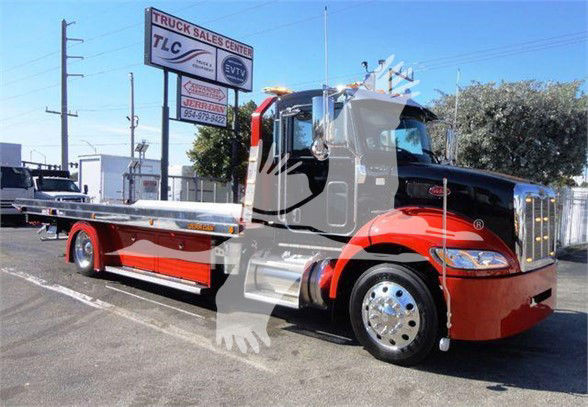
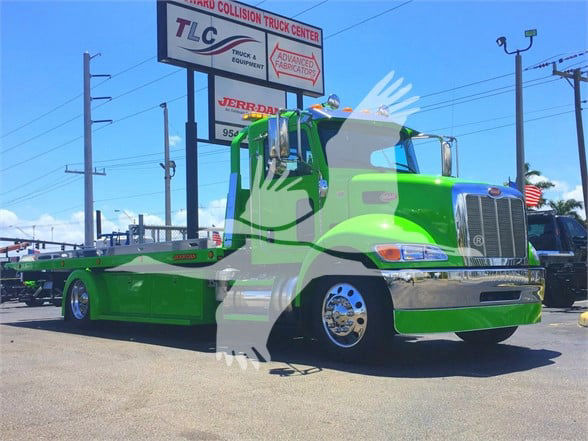
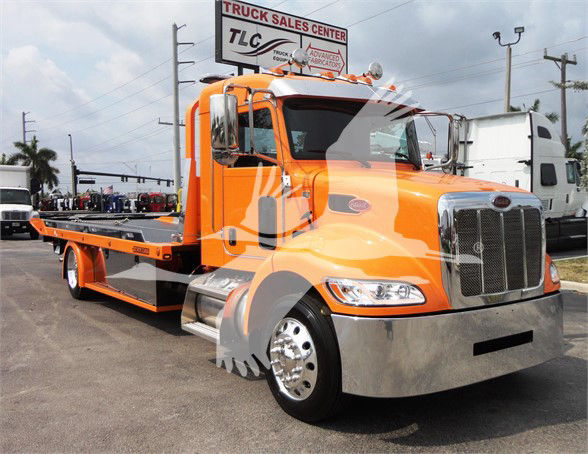
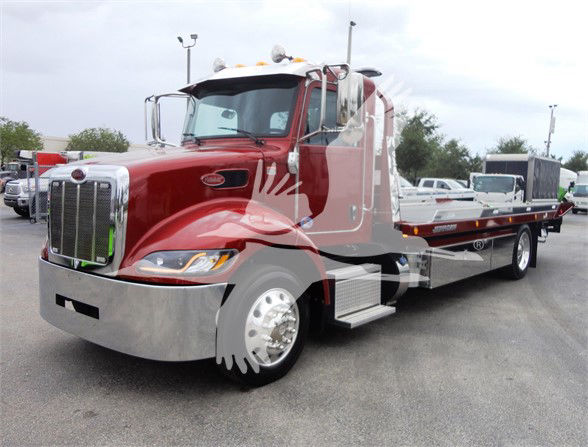
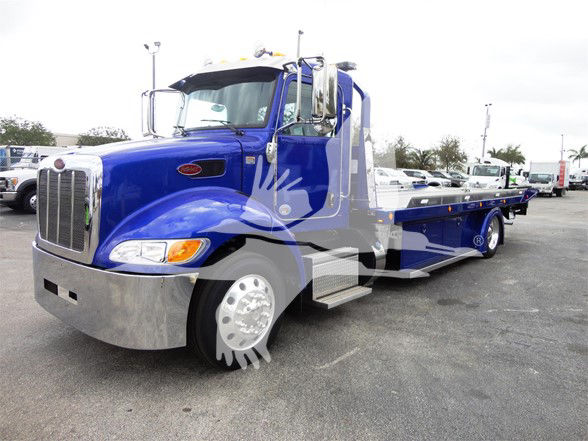
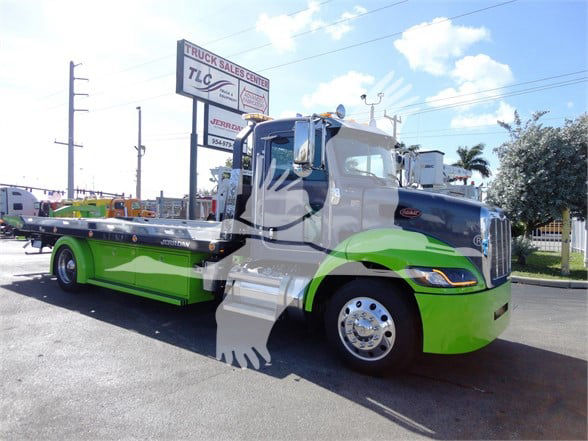
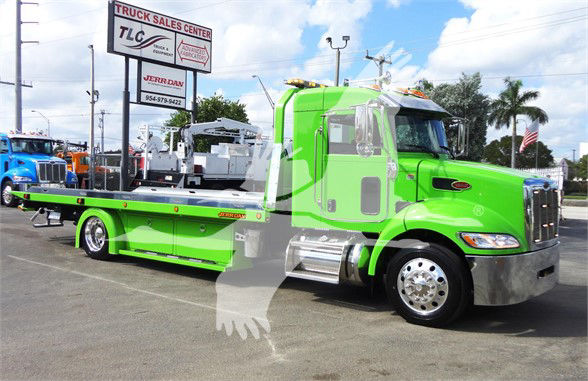
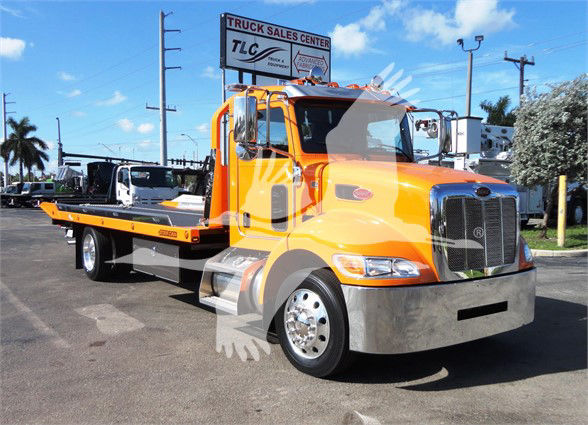
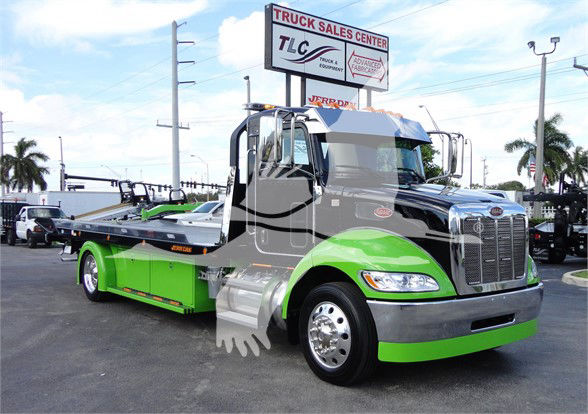
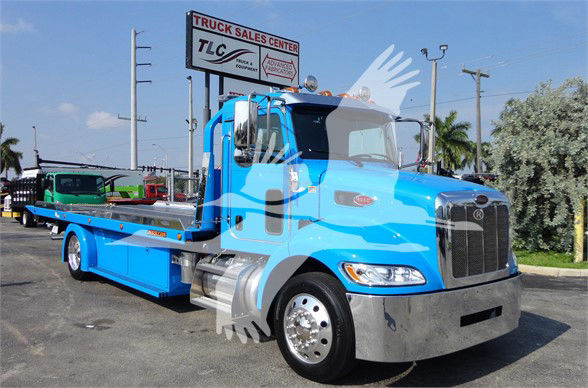
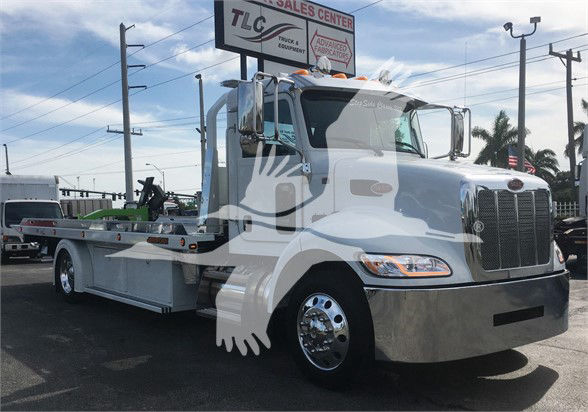
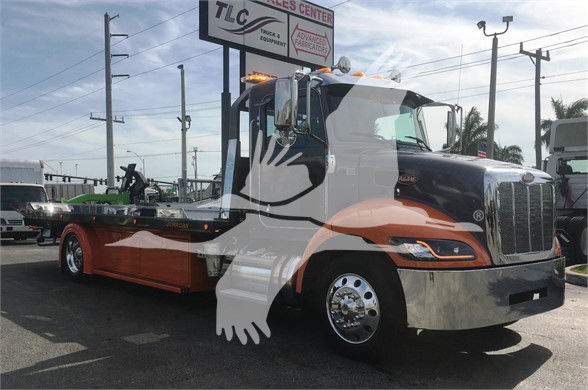
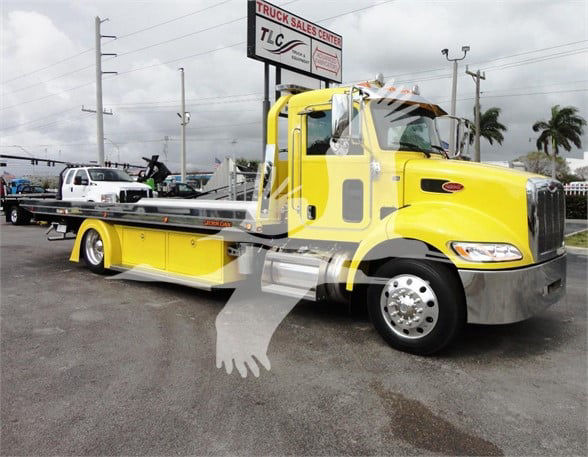
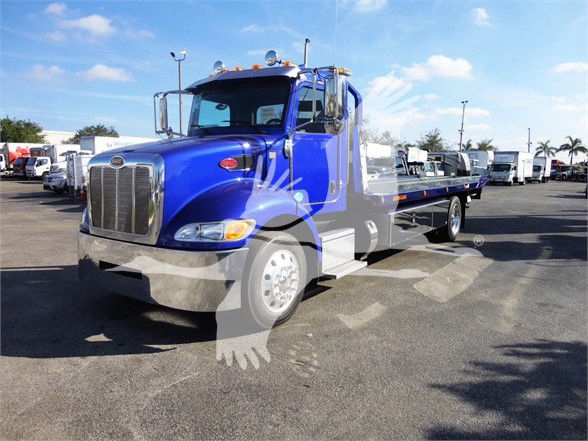
The body and recovery package is where these trucks start to separate from each other. Many 2022 Peterbilt tow trucks carry Jerr-Dan XLP or LCG-style low-profile steel beds rated around 6 tons, often with an 8,000-lb winch and a 3,500-lb wheel lift with L-arms. Some are equipped with side recovery systems, dual-angle or Shark-style decks, wireless remotes, blade rails, and expanded toolbox layouts. Those details affect day-to-day productivity more than buyers sometimes expect. A lower deck angle helps with low-clearance vehicles, side recovery gear adds versatility on tight calls, and storage layout matters if the truck needs to carry dollies, chains, straps, go-jacks, spill kit items, and traffic control equipment without turning the bed into a catch-all.
Chassis specs on 2022 Peterbilt carriers commonly land at 26,000-lb GVWR, which is an important threshold for many operators balancing payload, registration, and driver requirements. Front axle ratings around 10,000 lbs and rear ratings around 19,000 to 20,000 lbs are common, along with air brakes, air ride suspension, low-profile 22.5 tires, aluminum wheels, locking differentials, and aluminum fuel tanks. The Peterbilt cab is a strong selling point in this class because visibility, switch layout, driver comfort, and fit-and-finish all matter on a truck that may spend long hours in traffic and on shoulder work. Features like heated power mirrors, air ride seats, backup cameras, corner windows, and integrated lighting packages can make a real difference in safety and fatigue over the course of a shift.
For a buyer comparing listings, the key questions are less about cosmetics and more about operating profile. A 20-foot deck can be easier in tighter urban work, while a 22-foot carrier offers more flexibility for pickups, SUVs, and longer-wheelbase vehicles. Higher horsepower and a stronger option sheet are useful, but the better buy is the truck whose bed design, wheel-lift setup, winch capacity, storage, and recovery accessories match the calls it will actually run. On a 2022 Peterbilt tow truck, pay close attention to PTO operation, hydraulic response, bed corrosion protection, subframe construction, remote functionality, and how the truck is spec'd for legal axle loading when the deck and wheel lift are both in use.
Frequently Asked Questions
What is the most common configuration for a 2022 Peterbilt tow truck?
The most common setup is a Peterbilt 337 rollback carrier with a 20-foot or 22-foot steel bed, usually 102 inches wide, powered by a Cummins PX-7 6.7L diesel and an Allison automatic transmission. Many trucks in this category also include an 8,000-lb winch, a 3,500-lb wheel lift, air brakes, and air ride suspension. This configuration is popular because it covers general vehicle transport and light-duty recovery without moving into the size and cost of a heavy wrecker.
Is a 22-foot rollback better than a 20-foot rollback on a Peterbilt 337?
A 22-foot rollback usually offers more flexibility for longer vehicles, pickups, SUVs, and jobs where deck space matters, but a 20-foot rollback can be easier to maneuver in dense urban areas, parking structures, and tight residential streets. The better choice depends on the mix of calls. If the truck will spend most of its time on standard passenger vehicles in city work, the shorter deck can be an advantage. If the operation regularly handles larger vehicles or wants a broader service range, the 22-foot bed is often the stronger fit.
What should buyers look for on the recovery body of a 2022 Peterbilt tow truck?
The recovery body deserves as much attention as the chassis. Buyers should check bed rating, deck type, wheel-lift capacity, winch size, subframe construction, corrosion protection, toolbox layout, and remote-control functionality. Low-profile or dual-angle decks help with low-clearance vehicles, and side recovery systems can add capability on difficult calls. It is also smart to evaluate how accessories such as dollies, chains, straps, and lighting are stored and whether the body is laid out for efficient daily use.
Do most 2022 Peterbilt tow trucks use automatic transmissions?
Yes. In this category, Allison automatic transmissions are very common because tow work involves frequent stops, backing, loading, and short-route driving. An automatic reduces driver fatigue, simplifies training, and tends to be the practical choice for fleets with multiple operators. For a rollback or carrier application, ease of control during loading and positioning is often more important than having a manual gearbox.
Why is 26,000-lb GVWR important on a 2022 Peterbilt tow truck?
A 26,000-lb GVWR chassis is common because it gives a medium-duty tow truck enough structure for a rollback body, wheel lift, and recovery equipment while staying within a widely used operating class. Buyers still need to pay attention to actual curb weight, axle ratings, and legal loading with a vehicle on the deck or on the wheel lift. The published GVWR is only part of the picture. Real-world payload and axle balance determine how usable the truck will be in daily service.