
New 2025 Tow Trucks For Sale in New Jersey
Shop 2025 new tow trucks for sale in New Jersey, including rollback and wheel-lift models with non-CDL GVWR options for light-duty recovery.
Learn more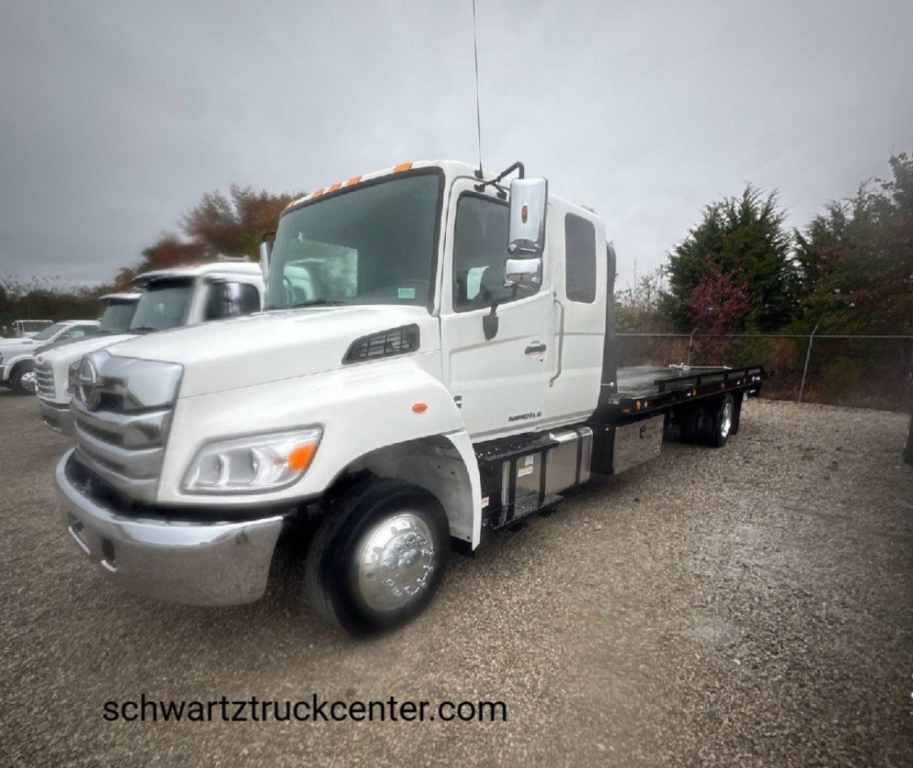
Have new 2025 tow truck to sell? List it here to reach thousands of buyers.
About New 2025 Tow Trucks in New Jersey
One of the first decisions is GVWR and licensing strategy. A common target is 25,950 to 26,000 GVWR, which can keep a rollback in non-CDL territory depending on final configuration and local operating requirements. That matters for fleets hiring broadly or running municipal, impound, roadside, and repossession work where driver availability is a real constraint. Buyers should still confirm curb weight, body weight, wheel-lift rating, winch capacity, and any state or federal requirements before assuming a truck can be operated without a CDL. In New Jersey, where routes can shift quickly from urban streets to parkways and port-related traffic, maneuverability, brake spec, and cab visibility carry a lot of weight.
Most 2025 tow trucks in this category use proven diesel powertrains paired with automatic transmissions, often a Cummins 6.7-liter class engine and an Allison automatic in medium-duty applications. That combination is popular because it is familiar to technicians, easy to train drivers on, and well suited to stop-and-go recovery service. On the body side, buyers should compare deck construction, subframe design, tie-down layout, tool storage, winch rating, wheel-lift reach, and hydraulic performance. Practical details like low bed angle, remote controls, work lights, beacon packages, backup cameras, and air brake versus hydraulic brake configuration can affect daily productivity as much as headline specs.
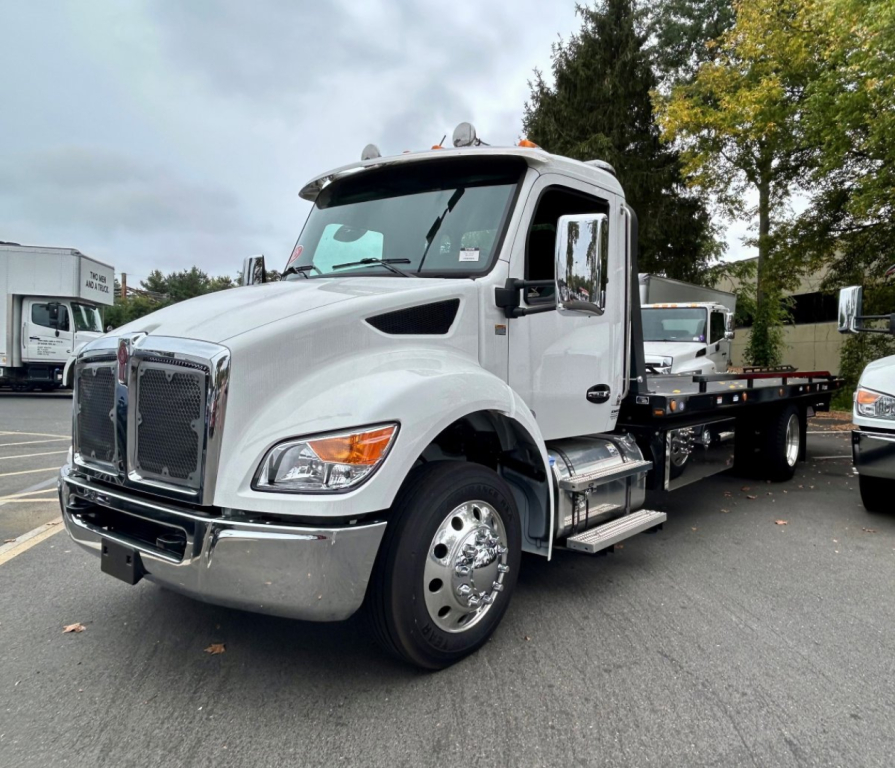
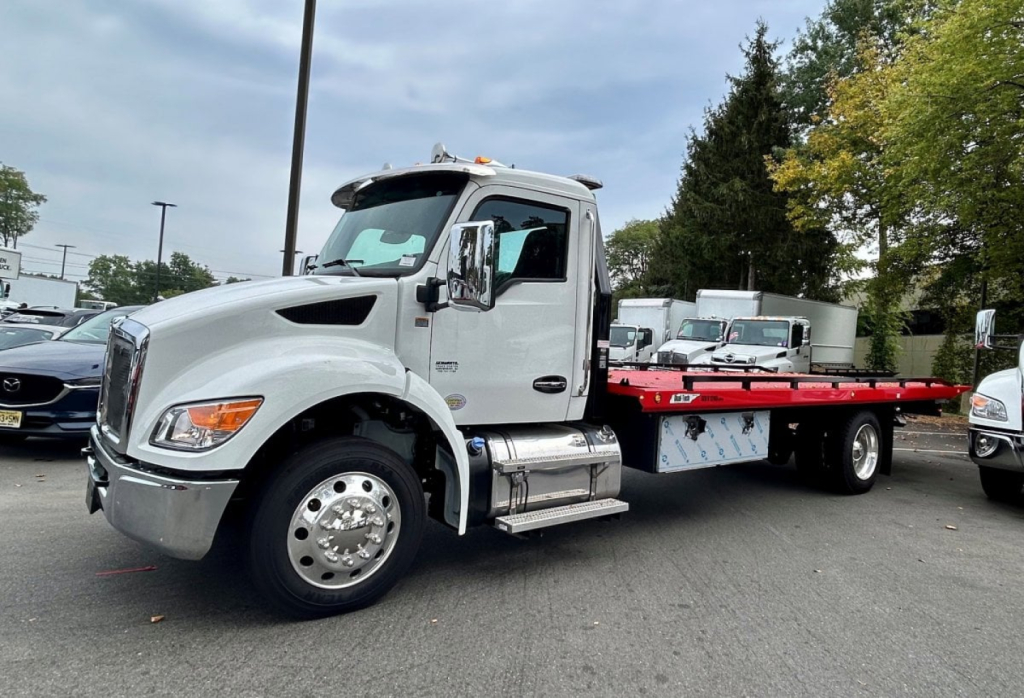
A good tow truck spec matches the work mix. Rollbacks are often the right fit for transporting all-wheel-drive vehicles, low-clearance cars, accident units, and light commercial vehicles with minimal handling risk. A wheel-lift-equipped carrier adds flexibility for short tows and vehicle extraction without giving up the advantages of a full deck. For buyers comparing 2025 models, the key is balancing payload, recovery equipment rating, chassis durability, and operator-friendly controls with the licensing and route demands of the territory. That usually leads to a truck that can cover roadside assistance, auction runs, impound work, dealer transport, and general light-duty recovery without being overbuilt for the job.
Frequently Asked Questions
What is the most common configuration for a new 2025 tow truck in this category?
The most common setup is a medium-duty rollback carrier with a 22-foot deck, 102-inch bed width, and an integrated wheel-lift. This configuration covers a wide range of light-duty towing and vehicle transport jobs, including breakdowns, accident recovery, repossessions, auction moves, and dealer transfers. It is especially popular because it can safely carry low-clearance and all-wheel-drive vehicles that are not ideal for conventional sling or wheel-lift-only towing.
Can a 2025 tow truck be spec'd as a non-CDL unit?
Yes, many new tow trucks in this class are intentionally spec'd around a 25,950 to 26,000 GVWR target to support non-CDL operation. The important point is that the final legal status depends on the completed truck's actual rating and the regulations that apply to the operation. Buyers should verify chassis GVWR, body weight, wheel-lift equipment, payload, and any state or federal rules before making a staffing or compliance decision.
What specs matter most when comparing rollback tow trucks?
The most important specs are GVWR, deck length and width, bed material, wheel-lift capacity, winch rating, hydraulic system performance, and chassis wheelbase. Buyers should also look closely at bed angle, tie-down points, storage layout, brake type, lighting, and control placement. A truck with the right recovery equipment but poor deck geometry or limited storage can slow down daily work and reduce versatility.
Why are medium-duty chassis so common for tow trucks?
Medium-duty chassis are common because they balance maneuverability, durability, and body compatibility. They are large enough to support a rollback body and wheel-lift system, but still practical for urban towing, roadside work, and tight impound lots. They also typically offer strong visibility, straightforward upfitting options, and diesel-automatic powertrains that are easy to standardize across a fleet.
Is a rollback better than a wheel-lift-only tow truck for light-duty work?
For many operations, yes. A rollback offers more flexibility because it can fully load and carry the vehicle, which is better for damaged units, low-clearance cars, specialty vehicles, and all-wheel-drive platforms. A wheel-lift-only truck can be quicker and lighter for certain short tows, but a rollback with an added wheel-lift gives the operator more ways to handle varied calls without sending a second truck.