
New 2023 Tow Trucks For Sale in Florida
Have new 2023 tow truck to sell? List it here to reach thousands of buyers.
New 2023 Tow Trucks in Florida
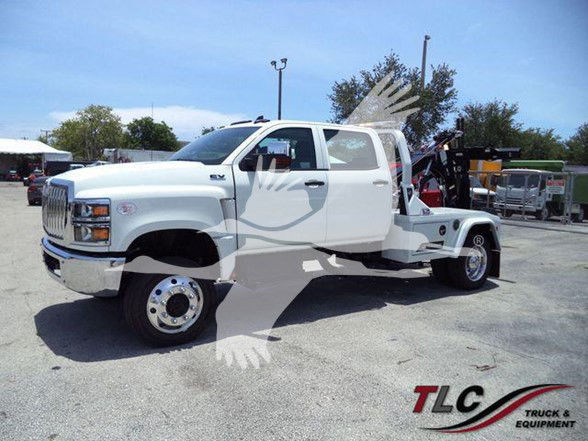
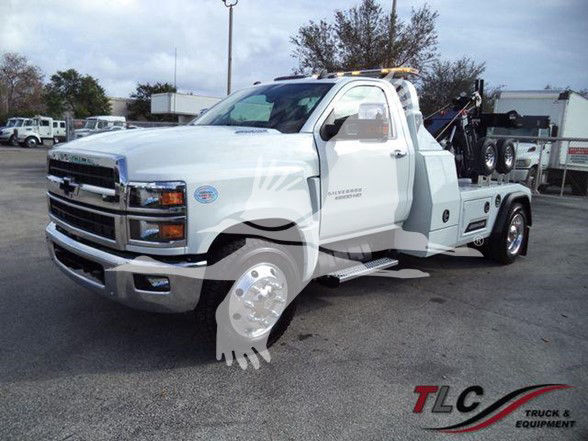
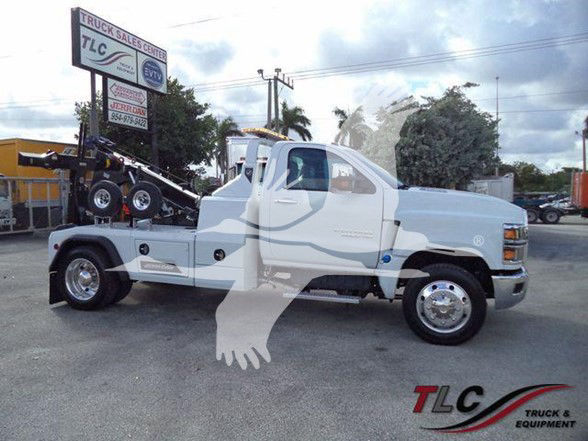
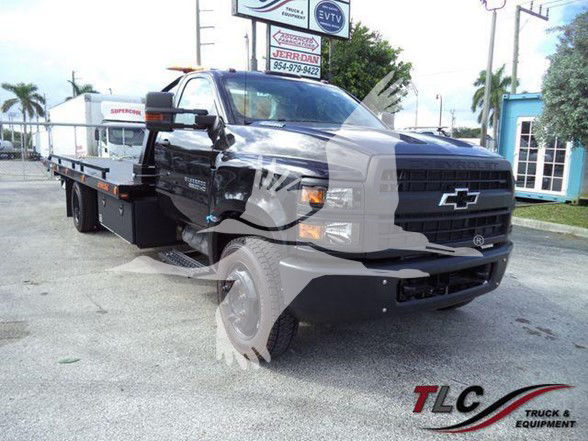
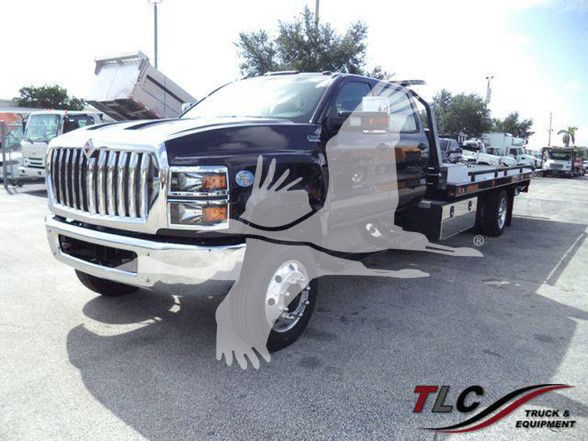
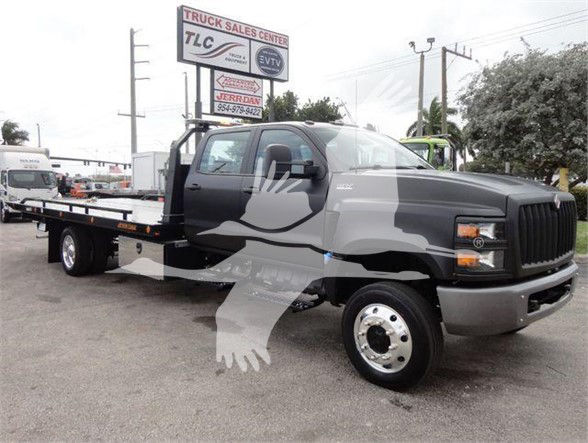
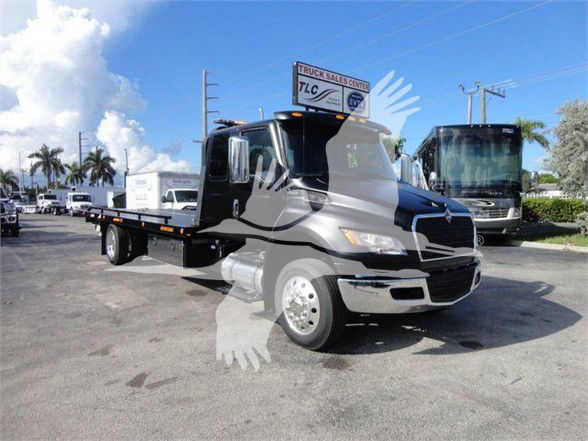
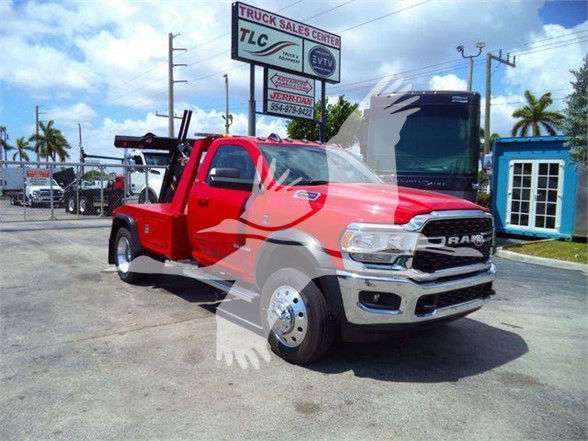
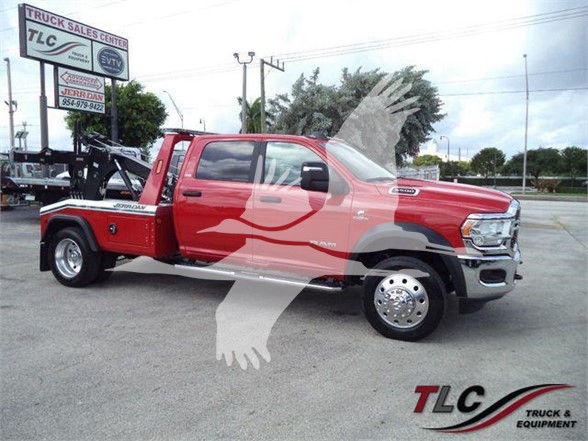
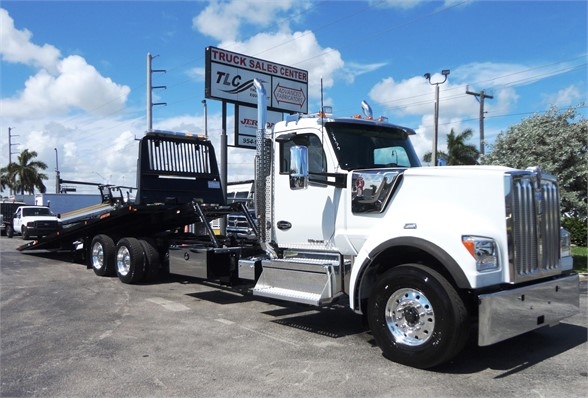
Powertrain choice matters because tow trucks spend their lives in stop-and-go service, on loading angles, and at idle. Many 2023 units in this class use Cummins diesel engines in the 260 to 300 hp range paired with Allison automatic transmissions, plus air brakes and air ride suspension. That combination is popular for a reason: predictable low-speed control, easier driver training, and good durability in municipal, police rotation, recovery, and dealer transport work. In Florida, corrosion resistance and heat management deserve extra attention. Aluminum wheels, polished tanks, stainless doors, LED lighting, and weather-sealed tool storage are more than cosmetic on a tow truck that works near the coast or runs year-round in heavy rain and humidity.
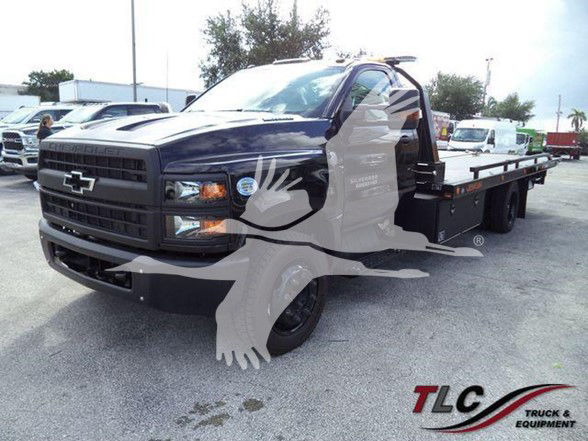
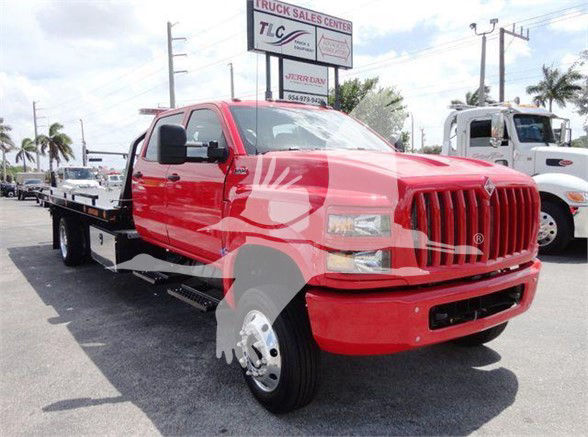
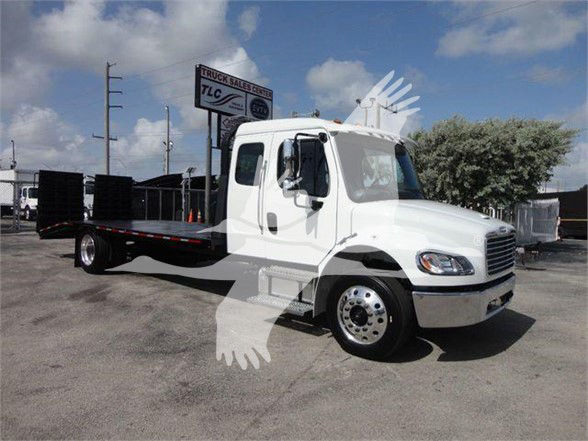
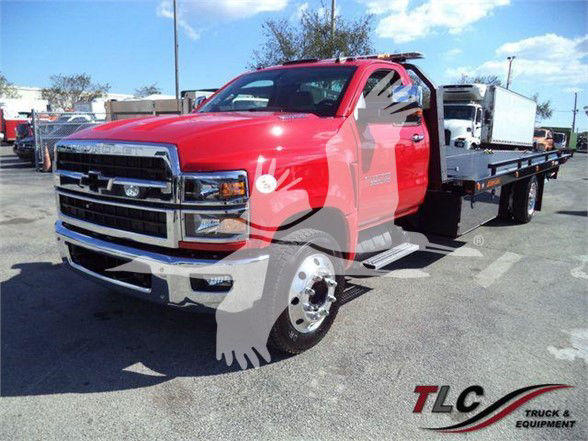
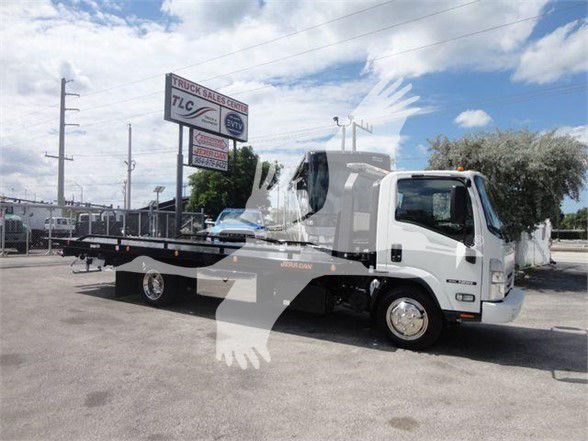
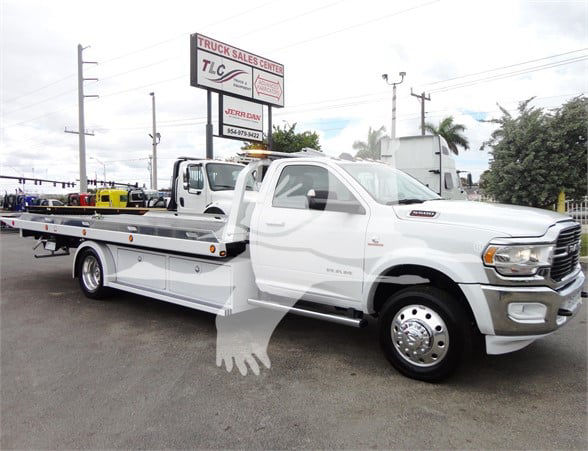
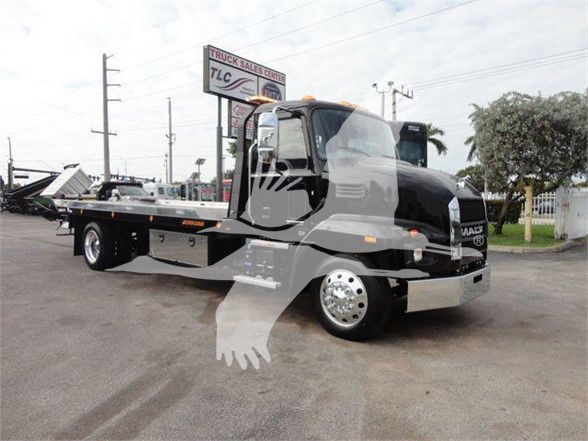
For the carrier body itself, focus on deck length, deck width, bed profile, and control package. A 22-foot by 102-inch steel XLP or low-center-gravity bed is a common sweet spot because it handles sedans, SUVs, small trucks, and many commercial units without giving up too much maneuverability. Buyers should also compare removable rails, L-arms, wireless remotes, work lights, hose reels, and toolbox layout. A lower load angle helps with low-clearance vehicles, while a stronger headboard, cleaner tie-down access, and practical side storage can save time on every call. On rollback units, winch setup, free spool type, and deck traction surfaces matter just as much as headline capacity.
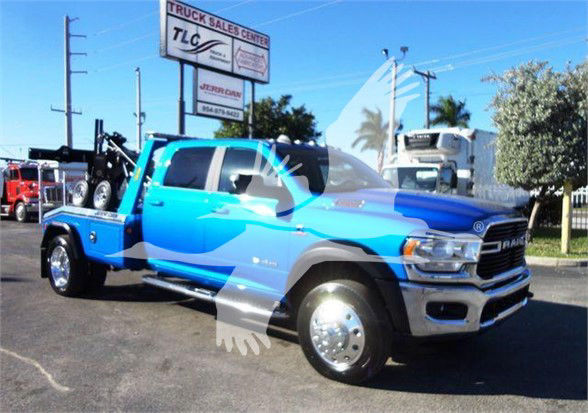
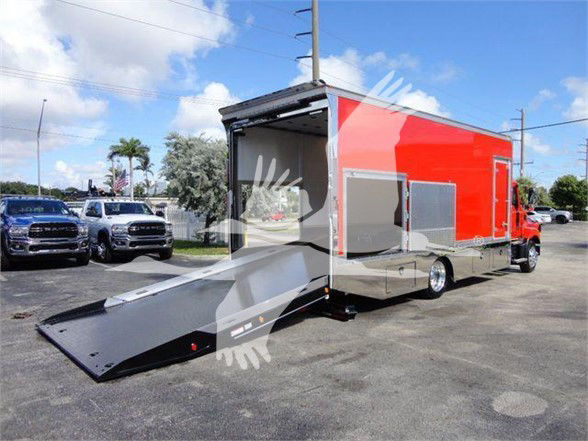
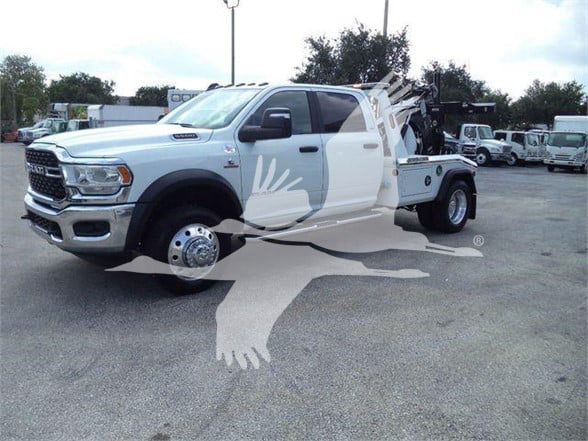
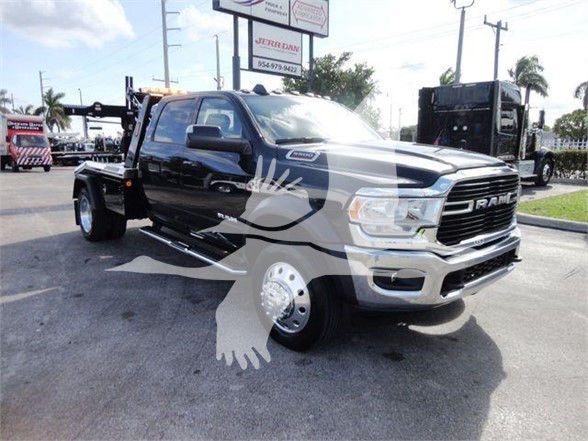
Some 2023 tow trucks are purpose-built for specialized work, including enclosed carriers, high-visibility lighting packages, custom side steps, and expanded storage for chains, straps, skates, dollies, and recovery gear. For a Florida buyer, the right truck often comes down to route mix and call type. A police impound and accident-response truck needs fast controls, strong lighting, and secure equipment organization. A dealer or auction transporter may prioritize bed length, low approach angle, and a cleaner appearance. The best comparison is not just make and model. It is chassis spec, carrier geometry, legal payload, wheel-lift rating, service access, and how the upfit fits the kind of towing the truck will actually do every day.
Frequently Asked Questions about New 2023 Tow Trucks in Florida
What is the most common configuration for a 2023 new tow truck?
The most common configuration in this category is a medium-duty rollback tow truck, also called a carrier or car carrier, on a 26,000 GVWR chassis. Many use a 22-foot low-profile bed, about 102 inches wide, with a 6-ton deck rating, a 3,500-lb wheel lift, and an 8,000-lb winch. This setup is popular because it covers a wide range of passenger vehicles, light trucks, and roadside calls while staying maneuverable in urban service.
Why does wheelbase and cab-to-axle length matter on a tow truck?
Wheelbase and cab-to-axle length directly affect weight distribution, ride quality, and how well the truck handles a loaded vehicle on the deck or wheel lift. A longer chassis can improve balance and reduce the chance of overloading an axle when carrying heavier vehicles. It can also help stability at highway speed. Buyers should review front and rear axle ratings, not just GVWR, because a tow truck can run out of axle capacity before it reaches the advertised gross rating.
Is a 26,000 GVWR tow truck enough for daily commercial use?
For many light-duty towing operations, yes. A 26,000 GVWR tow truck is widely used for passenger cars, SUVs, half-ton pickups, and general roadside work. It is a practical class because it often avoids CDL requirements for many operators, depending on application and local rules. The key is understanding that body weight, toolboxes, fuel, wheel-lift use, and accessories all reduce usable payload, so buyers should verify real-world carrying capacity from the final upfit, not just the chassis brochure.
What features are most important on a rollback tow truck body?
The most important features are bed profile, load angle, deck length, wheel-lift rating, winch capacity, control location, and storage layout. A low-center-gravity or XLP bed helps with low-clearance cars. A good wheel-lift setup with L-arms improves versatility. Wireless controls and well-placed work lights can speed up loading on night calls or in traffic. Practical tool storage, secure chain compartments, and durable rails are also high-value features because they affect daily efficiency more than appearance items do.
What should Florida buyers look for on a new tow truck?
Florida buyers should pay close attention to corrosion resistance, lighting, cooling performance, and weather-sealed equipment storage. Coastal air, year-round humidity, and heavy rain can be hard on steel bodies, electrical connectors, and exposed hardware. Stainless trim, aluminum components, LED light packages, sealed toolboxes, and clean wiring practices can help protect the truck over time. Visibility equipment is also important in Florida traffic, especially for highway recovery, municipal towing, and police rotation service.