
New 2022 Tow Trucks For Sale
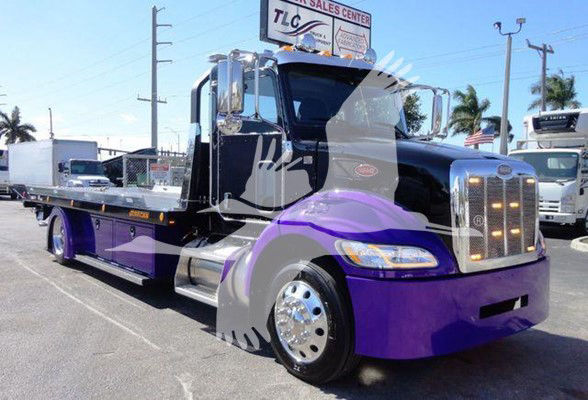
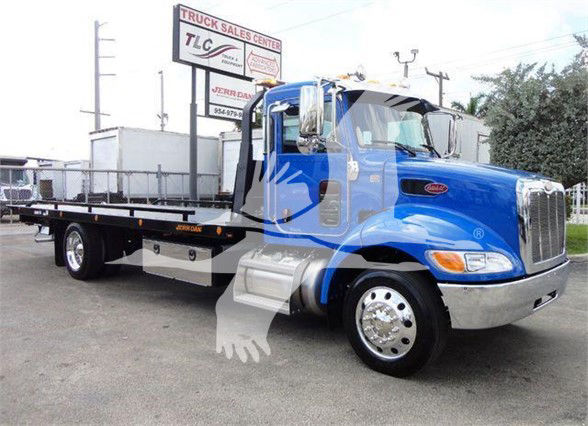
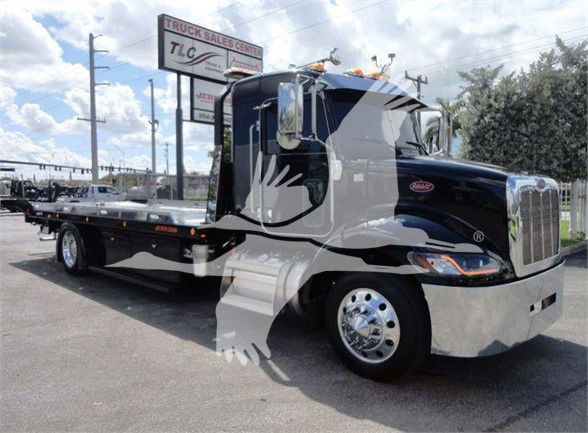
Shop new 2022 tow trucks for sale, including rollback carriers and self-loader wreckers with modern chassis, winches, wheel lifts, and LED lighting.
Learn more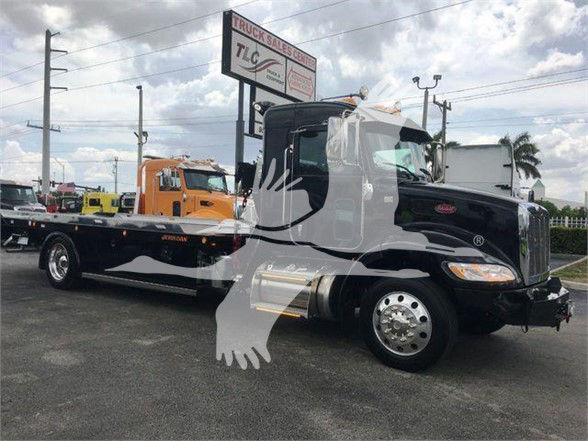
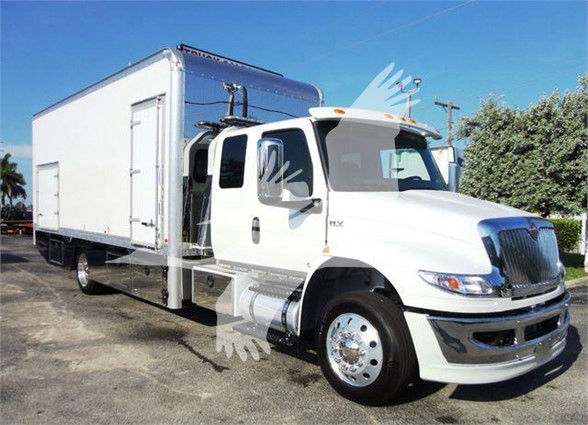
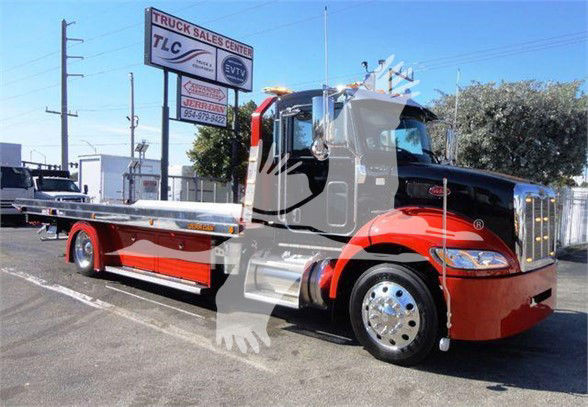
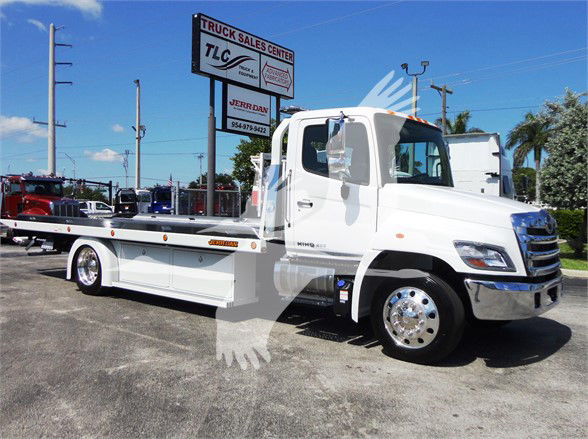
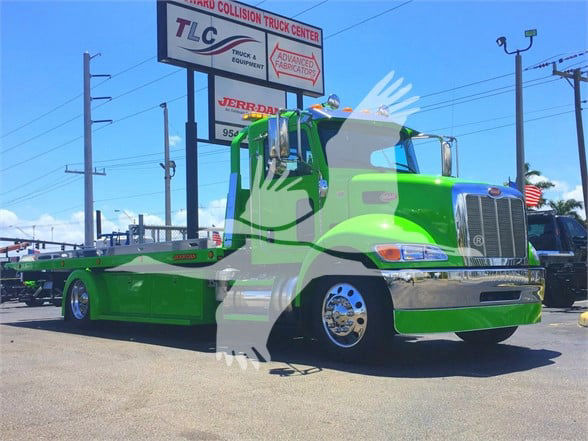
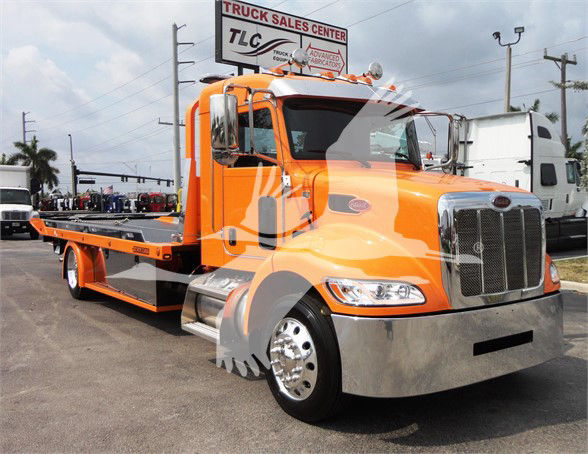
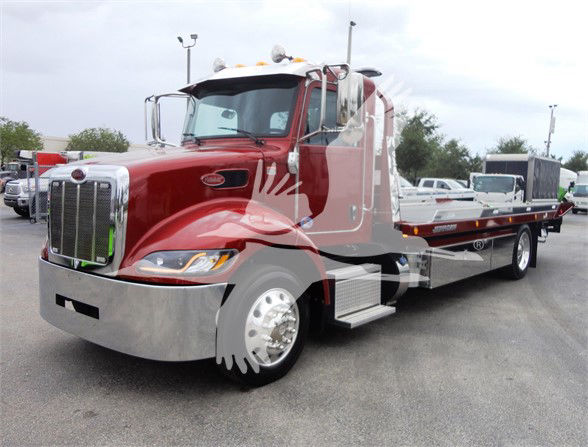
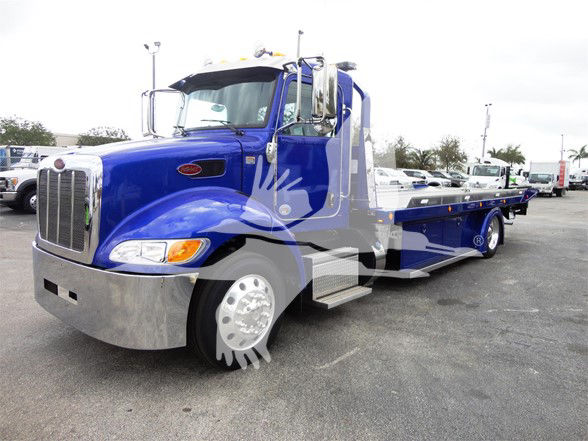
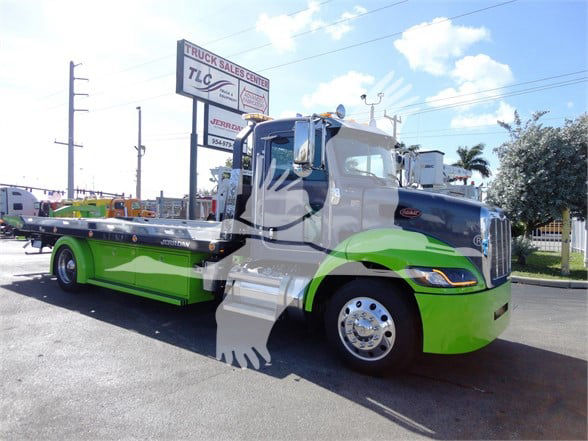
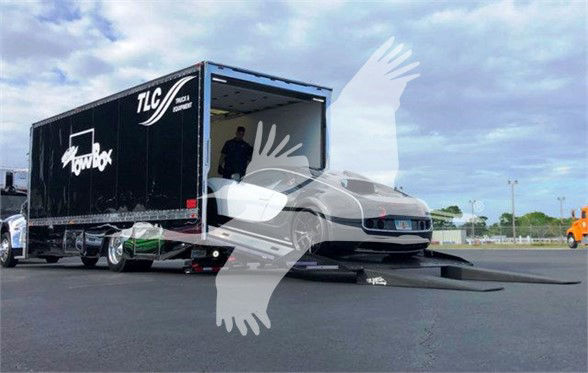
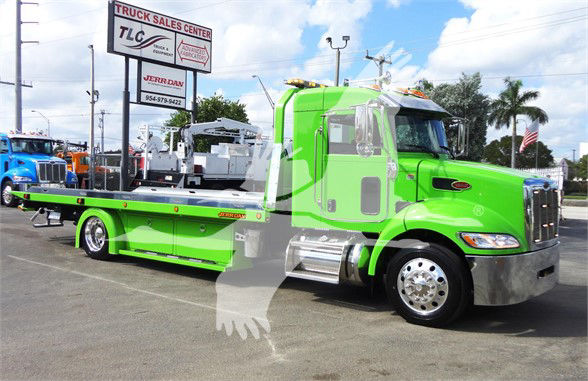
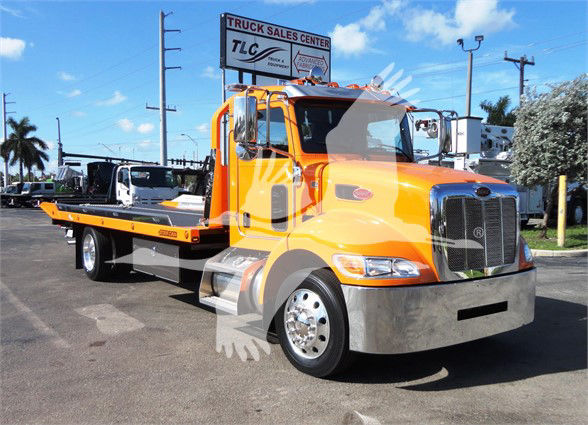
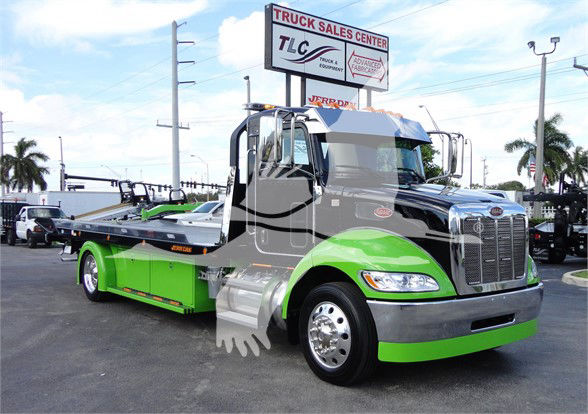
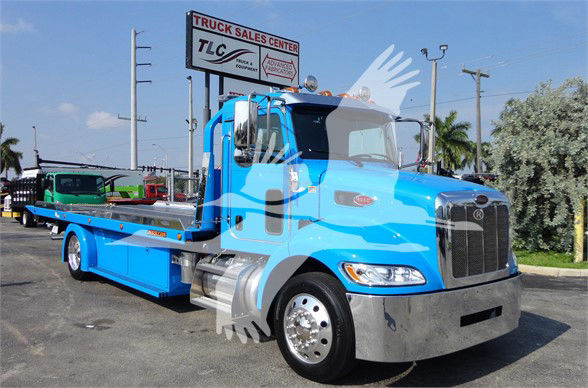
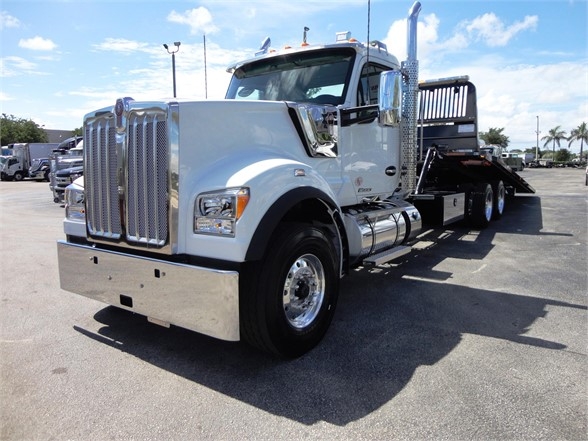
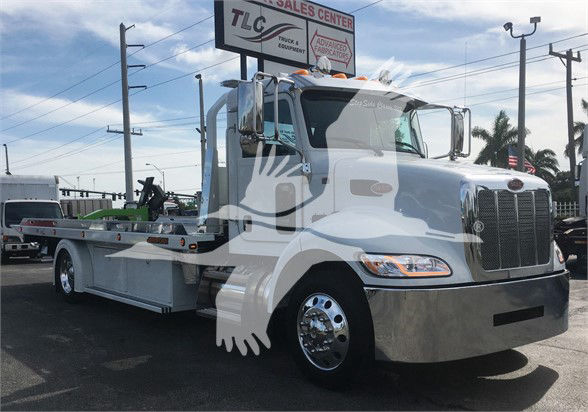
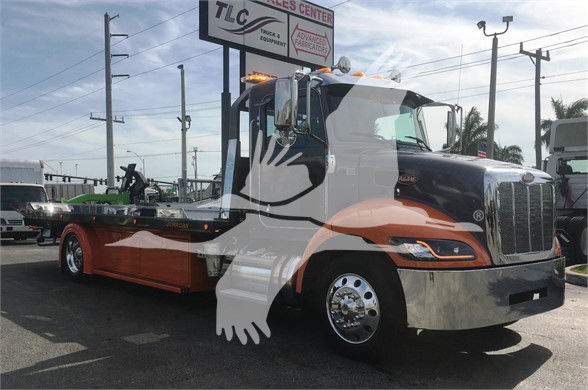
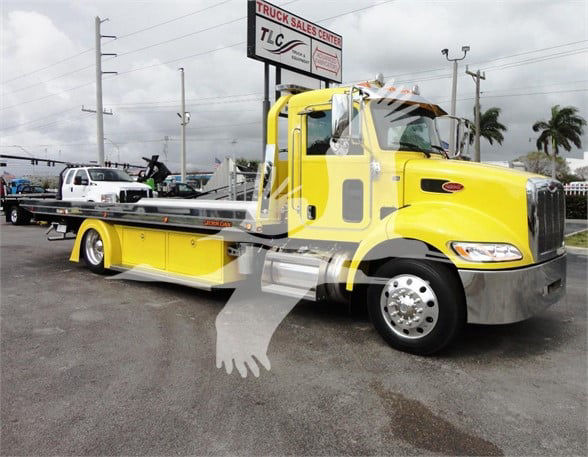
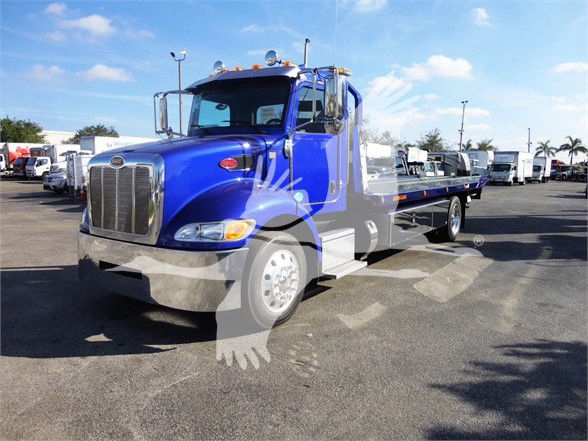
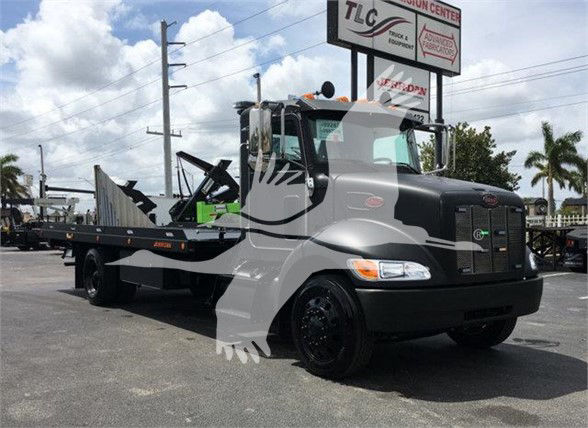
Have new 2022 tow truck to sell? List it here to reach thousands of buyers.
About New 2022 Tow Trucks
On 2022 model-year trucks, common specs include diesel power from engines like the Cummins B6.7 or PX-7, Allison automatic transmissions, air brakes on medium-duty chassis, and GVWRs around 19,500 to 26,000 pounds for non-CDL-friendly configurations or heavier ratings for industrial transporters. In rollback applications, buyers typically compare 21 to 22 foot low-profile steel or aluminum decks, 102-inch bed width, 8,000 to 10,000 pound winches, and wheel lifts rated around 3,500 pounds with L-arms. Chassis details matter just as much as body specs. Cab-to-axle length, wheelbase, front axle capacity, rear axle rating, and suspension setup all affect weight distribution, approach angle, deck usability, and how well the truck handles a vehicle at full reach.
A good tow truck setup should match the work mix and the operating area. Urban repossession and municipal towing often favor a compact self-loader with strong rear visibility, tight turning radius, and quick hydraulic response. Motor clubs, independent towing companies, and service departments usually lean toward low-center-of-gravity carriers with removable rails, work lights, tool storage, and wireless controls that speed up loading in bad weather or on narrow shoulders. Buyers hauling pickups, vans, EVs, or small machinery should pay close attention to deck angle, underlift design, tie-down points, and available payload after accounting for body weight and accessories. If interstate work is common, lighting, camera systems, beacon or light bar configuration, and brake performance deserve close review.
Buying a new 2022 tow truck also means looking at the details that affect uptime after the sale. Bed manufacturer support, structural warranty terms, parts availability, hydraulic component access, and winch serviceability can matter more than cosmetic trim. Aluminum wheels, stainless doors, extra toolboxes, backup cameras, jump-start kits, side recovery options, dollies, and integrated towing gear can add daily convenience, but the core value is still chassis-body balance and legal usable capacity. The best trucks in this category are the ones spec'd correctly for the lane they will run every day, not simply the ones with the most accessories.
Frequently Asked Questions
What is the difference between a rollback tow truck and a self-loader wrecker?
A rollback tow truck uses a tilting, sliding deck to carry a vehicle fully off the ground, which is preferred for all-wheel-drive vehicles, damaged cars, low-clearance units, and light equipment. A self-loader wrecker uses a wheel lift and hydraulic pickup system to tow a vehicle by the wheels, which is faster for short-distance moves, impounds, and high-volume city work. The right choice depends on whether your priority is transport flexibility or quick hook-up speed.
What size chassis is common for a new 2022 tow truck?
Many new 2022 tow trucks are built on medium-duty chassis in the Class 4 through Class 7 range, depending on body type and intended work. Light-duty self-loaders are often based on 4500 or 5500 chassis, while rollback carriers frequently use 25,999 GVWR chassis to stay under CDL thresholds in some operations. Heavier transport and equipment-hauling carriers move into much higher GVWR ratings with larger axles, stronger frames, and bigger winches.
How much winch and wheel-lift capacity should a tow truck have?
For many light- and medium-duty rollback applications, an 8,000 to 10,000 pound winch and a 3,500 pound wheel lift are common starting points. That setup handles most passenger vehicles, crossovers, and many light trucks. If the truck will regularly recover heavier pickups, commercial vans, or equipment, buyers should look at actual payload, bed rating, underlift capacity, and front axle loading together rather than relying on one advertised number.
Why does cab-to-axle length matter on a tow truck?
Cab-to-axle length determines how the body fits the chassis and plays a major role in wheelbase, overhang, and weight distribution. On a rollback, the wrong cab-to-axle dimension can reduce usable deck balance or create poor axle loading when carrying a vehicle near the rear of the bed. A properly matched chassis and body improves steering feel, braking balance, legal loading, and overall drivability.
Are new 2022 tow trucks a good choice for buyers who want modern equipment without the newest model-year price?
A new 2022 tow truck can make sense for buyers who want late-model emissions systems, updated safety and lighting features, and current commercial chassis design without stepping into the latest production year. The appeal is often strongest when the truck is already upfitted with the body, winch, storage, and towing gear needed for immediate service. Buyers should still evaluate warranty start dates, idle time, and any age-related maintenance considerations tied to a truck that is new but not current-year.