
Tow Trucks For Sale in New York
Browse tow trucks for sale, including wreckers and wheel-lift trucks, with key specs on GVWR, boom capacity, winches, bodies, and chassis.
Have tow truck to sell? List it here to reach thousands of buyers.
Tow Trucks in New York
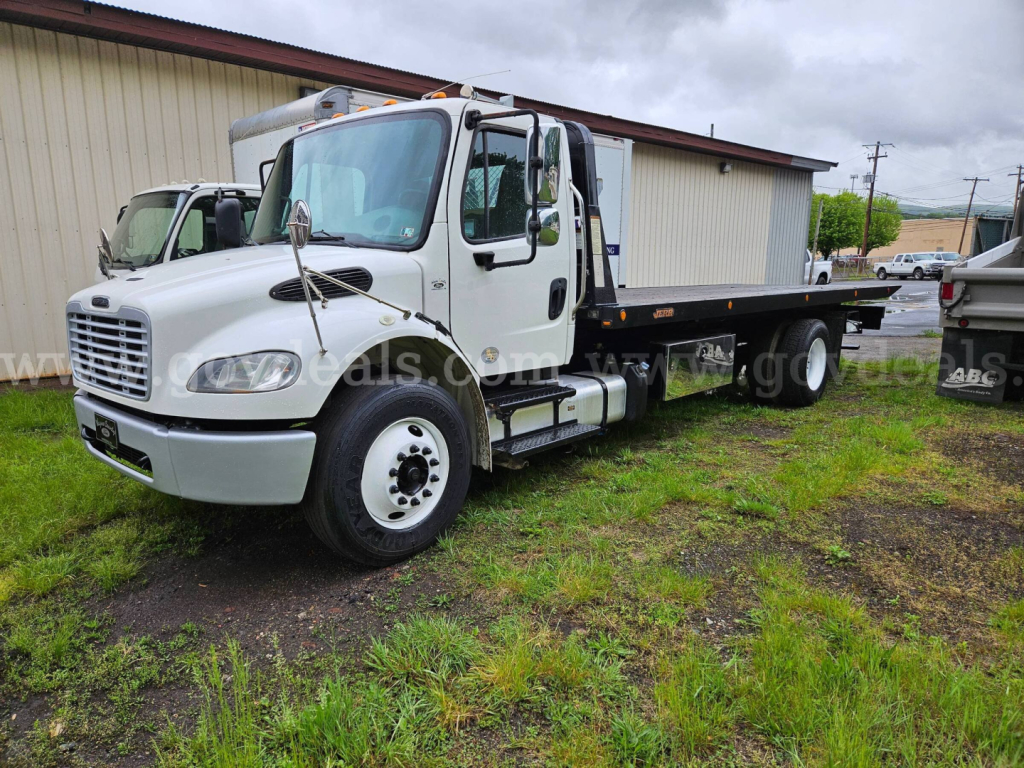
Chassis choice matters as much as the wrecker body. Common platforms include Chevrolet, GMC, Ford, International, Hino, and medium-duty conventionals with diesel engines and automatic transmissions. In New York, stop-and-go urban work, tight streets, and frequent curbside pickups make wheelbase, turning radius, visibility, and cab condition especially important. Buyers should look closely at front axle capacity, rear suspension, brake type, rust on frame rails and body mounts, PTO engagement, and the condition of hydraulic lines, cylinders, winch cables, and wheel-lift pivots. On used tow trucks, corrosion around crossmembers, outriggers if equipped, bed structure, and electrical wiring for light bars and auxiliary controls can tell you a lot about how the truck was maintained.
The body configuration drives daily usability. A self-loading wheel-lift truck is efficient for police rotation, private property towing, and dense metro routes where quick hook-up time matters. A traditional wrecker with boom and winches offers more versatility for recovery work, ditch pulls, and disabled vehicles that cannot be rolled normally. Storage layout is another practical buying point. Tool compartments, chain racks, dollies, snatch block storage, work lights, backup cameras, and control station placement all affect how safely and efficiently the operator can work on the shoulder or in bad weather. If the truck will spend long days in service, details like seat condition, HVAC performance, mirror setup, and in-cab visibility are not minor issues.
A good tow truck purchase comes down to matching lift and recovery capability to the vehicles you actually service while staying within axle ratings and local operating requirements. Check the manufacturer tags on both chassis and wrecker body, confirm GVWR and any front or rear GAWR limits, and compare them to the intended use. Service records, hydraulic maintenance, winch function, PTO performance, and evidence of prior frame or body repairs deserve close attention. For buyers comparing multiple used tow trucks for sale, the best value is usually the truck with the clearest service history, the most appropriate recovery setup for your route mix, and the least deferred maintenance in the hydraulic and structural systems.
Frequently Asked Questions about Tow Trucks in New York
What is the difference between a wheel-lift tow truck and a traditional wrecker?
A wheel-lift tow truck uses an underlift assembly to raise one end of the disabled vehicle by its wheels, which makes it fast and efficient for standard tows, impounds, and parking enforcement. A traditional wrecker typically adds a boom and one or more winches for recovery situations, including vehicles that are stuck, damaged, or off the roadway. Many units combine both functions, but the right choice depends on whether your work is mostly routine transport or true recovery.
What specs matter most when buying a used tow truck?
The most important specs are GVWR, front and rear axle ratings, wheel-lift or underlift rating, boom capacity, winch capacity, chassis wheelbase, engine and transmission combination, and PTO-driven hydraulic system condition. Buyers should also inspect the body structure, hydraulic cylinders, hoses, control valves, lighting, and electrical wiring. On a used truck, actual operating condition and maintenance history often matter more than model year alone.
Are medium-duty tow trucks a good fit for local towing work in New York?
Medium-duty tow trucks are often a strong fit for New York because they balance maneuverability with enough chassis capacity for daily towing, municipal work, and roadside service. In tighter urban areas, a shorter wheelbase and responsive steering can be more valuable than a larger body. The key is confirming that the truck's axle ratings, brakes, and recovery equipment match the types of vehicles you expect to tow most often.
What should I inspect on the hydraulic and recovery systems?
Inspect PTO engagement, pump operation, winch performance under load, hydraulic hose condition, cylinder seals, control levers, wheel-lift movement, and any boom functions. Look for leaks, slow operation, uneven lifting, damaged cable, bent lift components, and signs of improvised repairs. A tow truck can look acceptable cosmetically and still have expensive hydraulic issues, so functional testing is critical.
How do I know if a tow truck is rated for the vehicles I plan to handle?
Start with the manufacturer ratings on the chassis and the wrecker body, including GVWR, GAWR, wheel-lift capacity, boom rating, and winch ratings. Then compare those numbers to the real-world weights and configurations of the cars, SUVs, vans, or commercial vehicles in your service mix. Capacity should be evaluated as a complete system, because axle loading, wheelbase, body design, and load position all affect safe operation.