
New 2025 Mack Tow Trucks For Sale
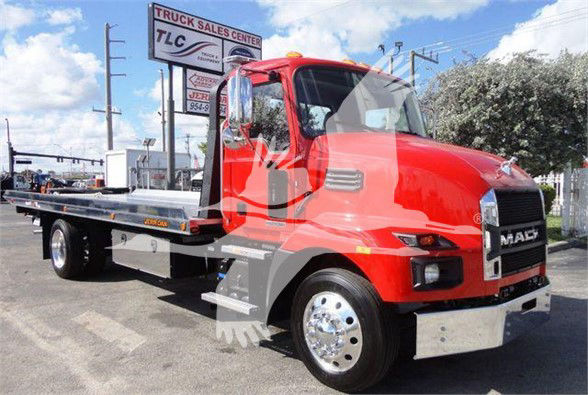
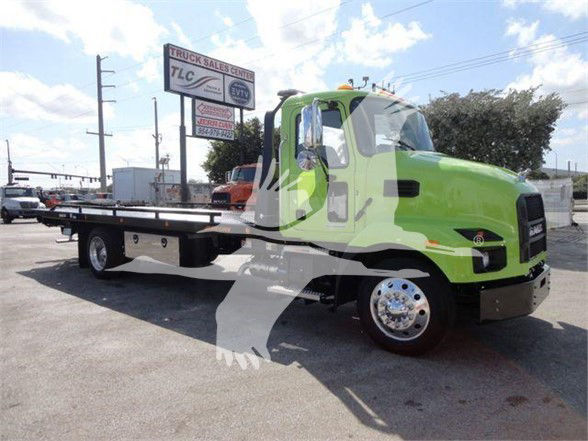
Shop new 2025 Mack tow trucks, including MD6 rollback and carrier setups with Jerr-Dan bodies, air brakes, wheel lifts, and 26,000 GVWR.
Learn more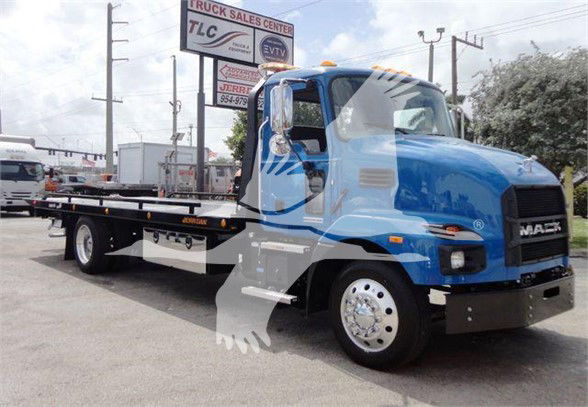
Have new 2025 mack tow truck to sell? List it here to reach thousands of buyers.
About New 2025 Mack Tow Trucks
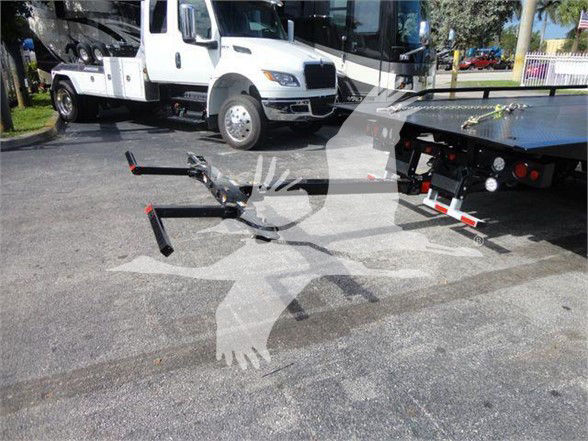
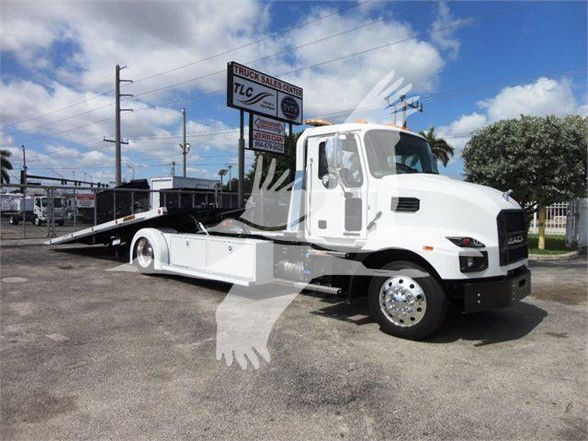
The biggest decision is usually rollback configuration. A 20-foot x 96-inch low-profile carrier can be easier to maneuver in tighter urban work, while a 22-foot x 102-inch deck gives more flexibility for longer wheelbase pickups, vans, and larger passenger vehicles. Many Mack carriers in this category use low center of gravity, or LCG, beds and dual-angle shark-style decks to reduce loading angle and improve approach on low-clearance cars. Common equipment includes a 3,500-lb wheel lift with L-arms, 8,000-lb winch capacity, removable blade rails, toolbox packages, and wireless controls for bed functions. If the truck will spend most of its time on repossessions, parking enforcement, and standard passenger car recovery, this spec is a strong fit. If the work regularly involves heavier commercial units, buyers usually need to step up to a larger wrecker or heavier chassis class.
Chassis details matter because tow trucks live hard stop-and-go lives. Air brakes and air ride suspension are valuable on a Mack MD6 tow build because they improve driver control, ride quality, and durability under daily loading cycles. Low-profile 22.5-inch tires, locking differentials, heated power mirrors, aluminum fuel tanks, and upgraded seating all add up over long shifts and frequent roadside calls. Lighting and visibility packages deserve close attention too. LED light bars, rear work lights, grille strobes, and camera systems are not cosmetic add-ons on a rollback. They directly affect safety, scene management, and backing confidence at night or in congested lots.
Buyers should also look closely at body integration and storage. Some 2025 Mack tow trucks are configured as enclosed carriers with cargo-box style side access, bulkhead tool storage, and protected control banks. That type of build can make sense for operators who carry more equipment, want cleaner storage, or work in weather-sensitive environments. On a standard open carrier, toolbox count, hose reel placement, tie-down storage, and control access can still make a major difference in daily productivity. For most fleets and owner-operators shopping this category, the best Mack tow truck is the one that matches the vehicle mix, route density, and operator workflow, not just the one with the longest deck or most chrome.
Frequently Asked Questions
What is the typical capacity of a new 2025 Mack tow truck in this category?
Most new 2025 Mack tow trucks in this segment are medium-duty rollback or carrier units built on the Mack MD6 chassis with a GVWR around 25,950 to 26,000 lbs. Common body specs include a 6-ton steel carrier bed, an 8,000-lb winch, and a 3,500-lb wheel lift with L-arms. That setup is well suited for passenger vehicles, light trucks, SUVs, vans, and general-purpose transport work, but it is not the right tool for heavy recovery or larger commercial truck towing.
Is a 20-foot or 22-foot rollback bed better on a Mack MD6 tow truck?
A 20-foot bed is often the better choice for tighter city work because it is easier to position in alleys, lots, and traffic-heavy recovery scenes. A 22-foot bed gives more deck space and usually more flexibility for longer wheelbase vehicles, larger pickups, and cleaner load placement. Buyers should base that choice on the vehicles they move most often, the turning space they work in, and whether urban maneuverability or broader loading versatility matters more.
Why do many Mack tow trucks use low-profile or LCG rollback bodies?
Low-profile and LCG, or low center of gravity, rollback bodies reduce the loading angle and make it easier to load lower-clearance vehicles without scraping bumpers, air dams, or rocker panels. That matters for modern passenger cars, performance vehicles, and specialty units that sit lower than older designs. An LCG carrier can also improve loading confidence for operators who routinely handle auction vehicles, dealership units, and damaged cars with limited rolling ability.
Do new Mack tow trucks usually come with air brakes and air ride suspension?
Many new Mack MD6 tow truck builds are spec'd with air brakes and air ride suspension because those features fit the demands of towing and recovery work. Air brakes provide strong, consistent stopping performance under repeated load cycles, while air ride helps with ride quality and chassis control. For operators spending long hours in stop-and-go service, those features can improve driver comfort, reduce fatigue, and support better control when carrying a vehicle on the deck.
What should buyers compare besides engine and horsepower on a Mack rollback tow truck?
Engine output matters, but body and upfit details often have a bigger effect on real-world productivity. Buyers should compare deck length and width, wheel-lift design, winch rating, wireless remote functions, toolbox layout, lighting package, camera visibility, tie-down storage, and control placement. Warranty coverage on both the chassis and the carrier body is also important because a tow truck is a combined chassis-and-upfit purchase, and downtime can come from either side of that package.