
2024 International Tow Trucks For Sale
Have 2024 international tow truck to sell? List it here to reach thousands of buyers.
2024 International Tow Trucks
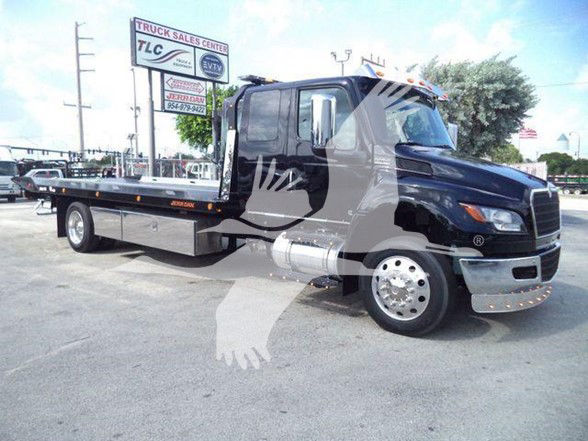
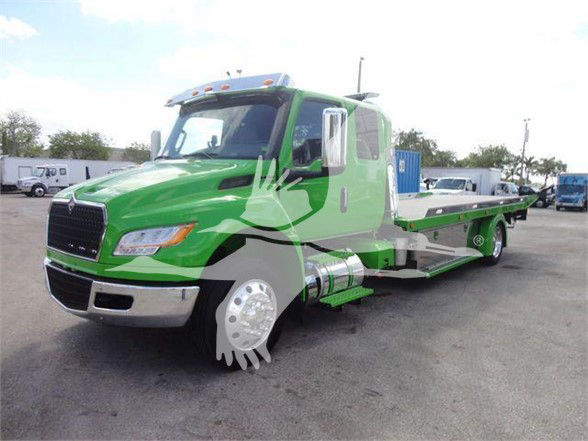
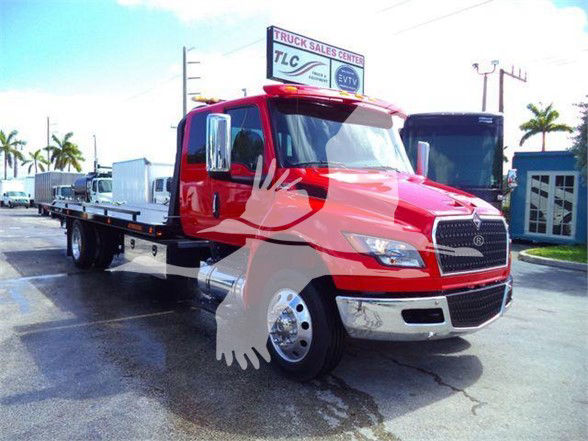
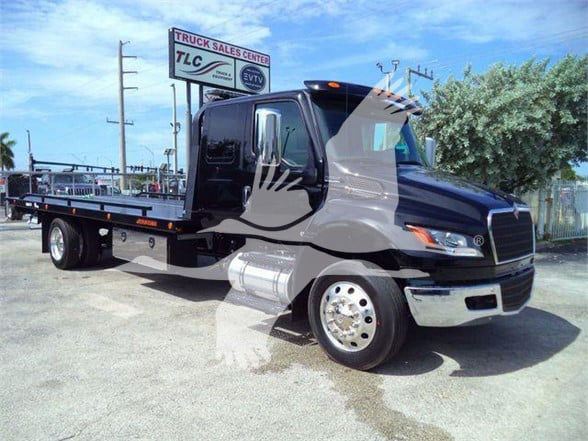
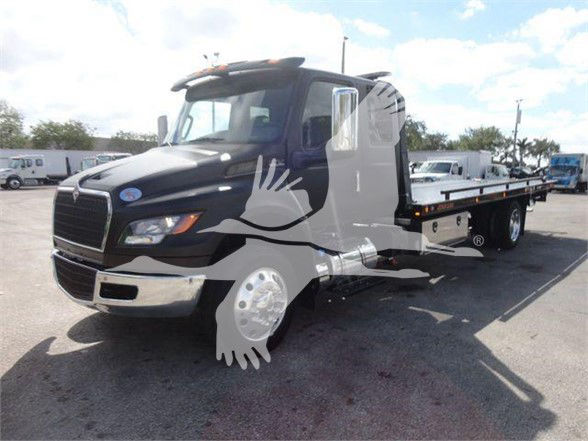
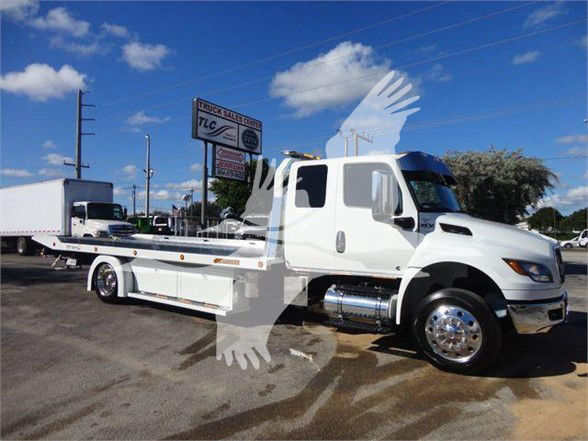
For rollback applications, the common setup is a 22-foot low-profile steel carrier body with a 102-inch deck width, often in a 6-ton class. Many trucks in this category use a 3,500-lb wheel-lift, an 8,000-lb winch, removable rails, integrated toolboxes, and amber LED light bars. Low center of gravity carrier decks matter if you routinely move lower-clearance cars, crossovers, or light trucks, and a longer cab-to-axle dimension can help with bed fitment and weight distribution. A 26,000-lb GVWR chassis is common in this segment because it gives enough truck under the body without pushing into a heavier platform than many towing operations need for daily car-hauling and recovery calls.
On the chassis side, many buyers look for Cummins diesel power in the 300 hp range paired with an Allison automatic transmission, air brakes, and air ride suspension. That combination is popular for a reason: predictable drivability in stop-and-go urban towing, smoother ride quality with a loaded deck, and broad technician familiarity. Other details that affect day-to-day use include 22.5-inch low-profile tires, aluminum wheels, dual fuel tanks, extended cab layouts, heated power mirrors, and air ride seating. These may sound secondary, but driver comfort, visibility, and usable storage matter on long shifts and multi-stop recovery routes.
If the work leans more toward recovery than transport, a 2024 International wrecker can also be found with a medium-duty boom and dual winches, often in a 12-ton class. In that case, pay close attention to boom rating, retracted and extended performance, stiff-leg design, underlift capacity, and included towing gear such as L-arms, frame forks, and attachment sets. The right truck depends less on brand name alone and more on matching chassis wheelbase, axle ratings, body manufacturer, and towing equipment to the jobs you run most often. For many fleets, International tow trucks hit a practical middle ground between maneuverability, payload support, and serviceability.
Frequently Asked Questions about 2024 International Tow Trucks
What are the most common body styles on a 2024 International tow truck?
The most common body styles are rollback carriers and medium-duty wreckers. A rollback carrier uses a hydraulic tilting deck to load disabled vehicles onto the bed, which makes it a strong choice for dealer transport, impounds, accident recovery, and moving all-wheel-drive vehicles. A wrecker uses a boom and wheel-lift or underlift system to tow a vehicle with part of it off the ground, which is often better for faster hookups and roadside recovery work.
What GVWR is typical for a 2024 International tow truck?
A 26,000-lb GVWR is a very common rating in this category, especially on International MV and 4300-based tow trucks. That rating supports many light-duty and medium-duty towing applications while keeping the truck on a manageable chassis size for urban streets, tight lots, and frequent stops. Buyers should still verify front axle, rear axle, and body ratings because usable towing performance depends on the full chassis and body combination, not just the GVWR label.
Why do many 2024 International tow trucks use a Cummins engine with an Allison automatic?
That combination is widely chosen because it is proven in medium-duty service and works well in towing duty cycles. Cummins diesel engines in this class provide the low-end torque needed for loaded starts and recovery work, while Allison automatics are known for smooth shifting and easy operation in traffic and on repeated stops. For fleets, another advantage is broad parts and service familiarity, which can simplify maintenance planning and reduce downtime.
What should I look for in a 2024 International rollback carrier?
Focus on deck length and width, carrier rating, wheel-lift capacity, winch rating, cab-to-axle dimension, and overall weight distribution. A 22-foot by 102-inch low-profile deck is common because it handles a wide range of cars and light trucks while keeping loading angles reasonable. Also check the type of rails, toolbox size, lighting, tiedown equipment, and whether the truck has the suspension, brake, and tire spec that matches the weight and road conditions you deal with every day.
Is a rollback or a wrecker better for my operation?
A rollback is usually the better fit if most jobs involve transporting passenger vehicles, specialty cars, light pickups, or all-wheel-drive units that should ride fully on the deck. A wrecker is often better if speed of hookup matters more and your calls lean toward roadside towing, recovery, repositioning disabled vehicles, or moving units where a wheel-lift and boom setup is more practical. Many towing businesses eventually run both because each body style covers different jobs efficiently.