
2024 Tow Trucks For Sale
Browse 2024 tow trucks for sale, including rollback carriers and wreckers with key specs, towing capacities, chassis options, and body setups.
Learn moreBrowse Tow Trucks by Make
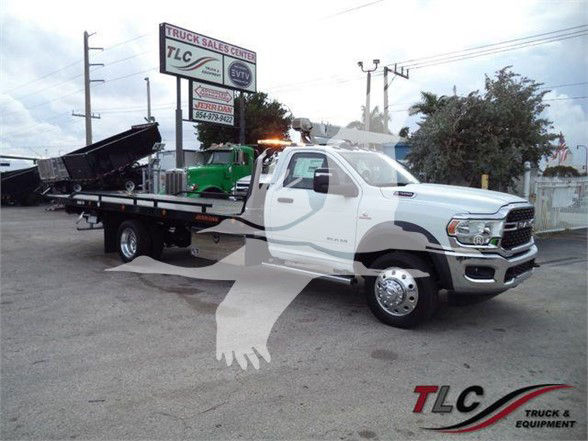
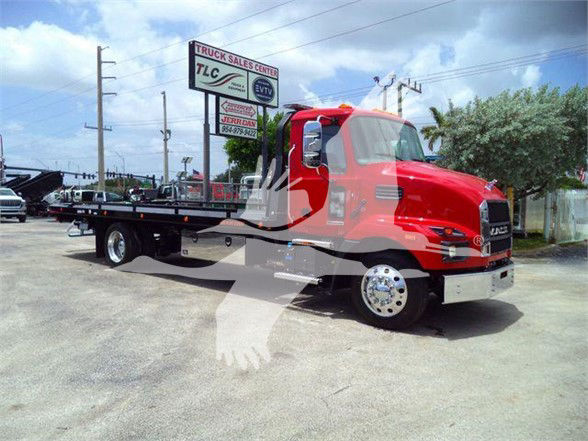
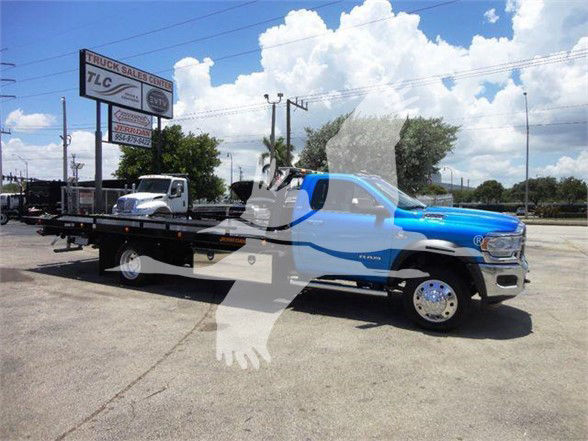
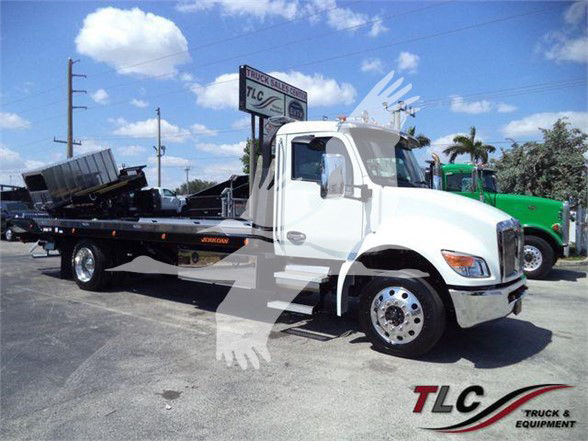
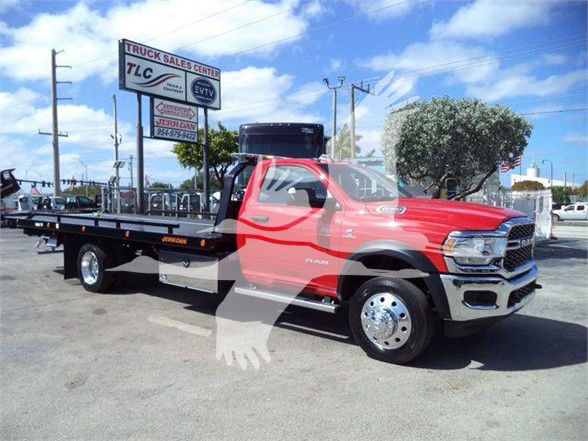
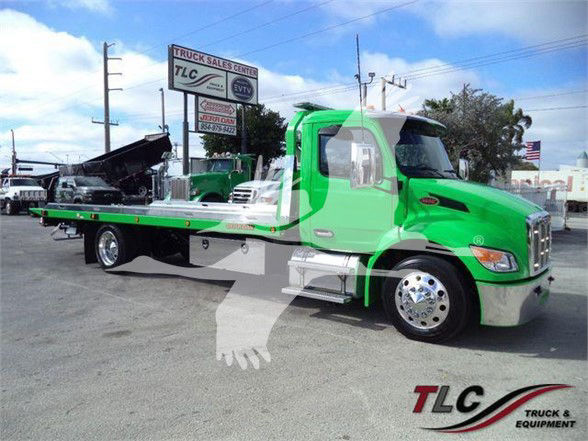
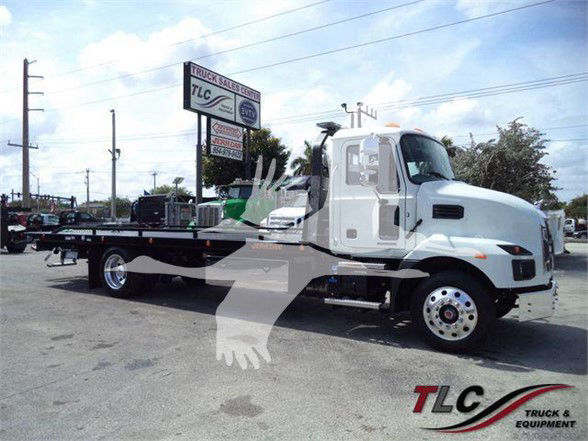
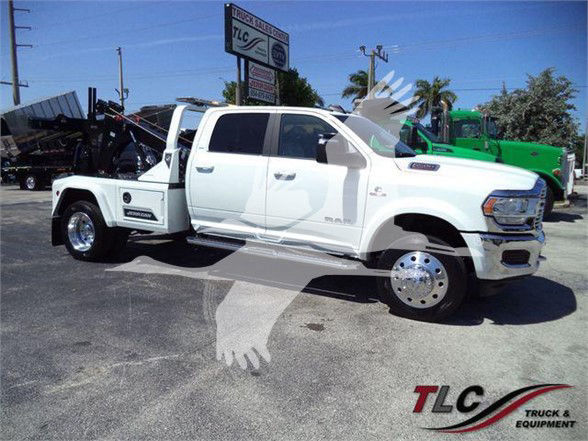
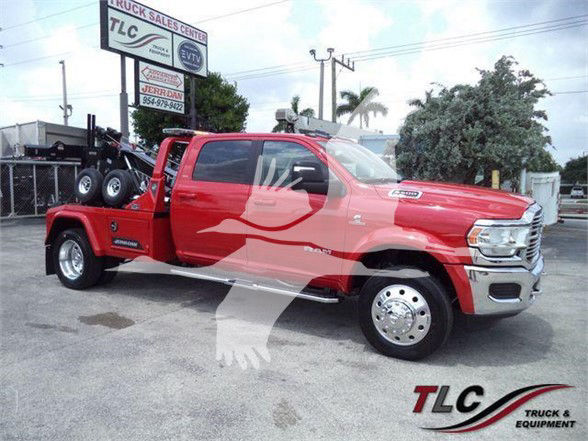
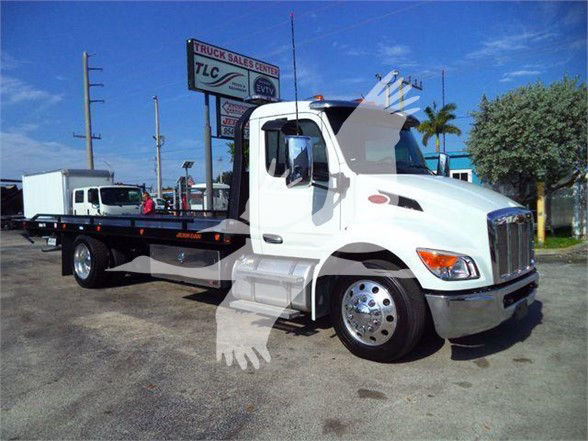
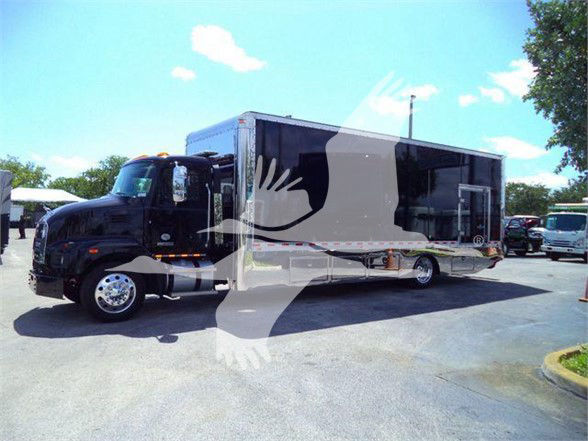
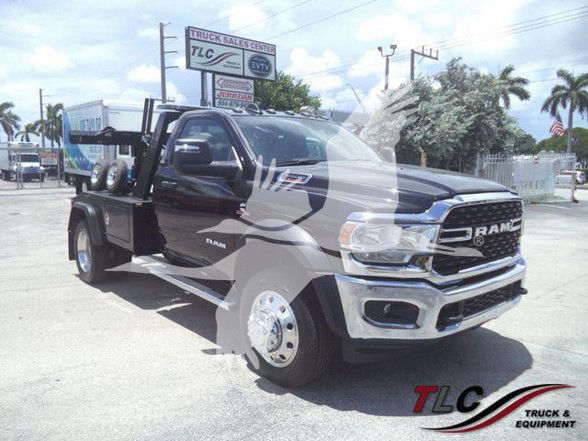
Showing 25 to 36 of 71 results
Have 2024 tow truck to sell? List it here to reach thousands of buyers.
About 2024 Tow Trucks
Chassis spec matters as much as the tow body. In the 2024 market, common platforms range from Class 4 and 5 cab chassis such as Ram 5500 units up through medium-duty trucks like the Hino L6, Freightliner M2, Peterbilt 337, and heavier tandem-axle conventionals for industrial transporters. Key numbers to compare are GVWR, front and rear axle ratings, wheelbase, brake type, suspension, and transmission. Many buyers want an automatic Allison paired with a diesel engine for stop-and-go towing routes, while air brakes and air ride suspension are more common once you move into higher-GVWR carrier applications. For rollback buyers, deck length and width are critical. A 21 to 22 foot low-center-gravity bed is common in light and medium-duty service, while 28 foot carriers and 15-ton transport beds are typical when heavier equipment, trucks, or longer-wheelbase loads are part of the job.
Tow body details separate a truck that works every day from one that only looks good on paper. On rollback units, pay attention to bed construction, deck capacity, wheel-lift rating, winch capacity, approach angle, and whether the body has removable rails, stake pockets, rub rails, scuff protection, and rear dock stabilizers. Tool box size, work lighting, backup cameras, wireless remotes, and PTO or hydraulic controls affect day-to-day efficiency. On wreckers, common decision points include underlift rating, boom design, drag winch capacity, L-arm setup, crossbar compatibility, and how the body is configured for dollies, chains, straps, and recovery gear. A lower-profile carrier helps with sports cars and damaged vehicles, while a heavier transporter setup makes more sense for contractors, rental fleets, forklifts, and industrial machinery.
A good 2024 tow truck match comes down to route profile, average load, and local operating rules. Urban operators often prioritize maneuverability, quick-cycle loading, and visibility, while highway and commercial accounts may need more wheelbase, fuel capacity, axle, and deck capacity. Buyers should also confirm CDL implications, state bridge and axle requirements, and whether the truck will spend most of its time towing vehicles, hauling equipment, or handling accident recovery. The best comparison is not just make and model. It is chassis class, body manufacturer, carrier or wrecker configuration, rated capacities, and how well the truck fits the revenue work it is expected to perform.
Frequently Asked Questions
What is the difference between a rollback tow truck and a wrecker tow truck?
A rollback uses a tilting, sliding deck to load and carry a vehicle completely off the ground, which makes it ideal for transport work, all-wheel-drive vehicles, low-clearance cars, and damaged units. A wrecker uses a wheel-lift, boom, or self-loader arrangement to pick up one end of the vehicle for towing. Wreckers are generally faster for roadside calls, repossession, and short-distance recovery, while rollbacks are preferred when the vehicle needs to be transported rather than towed.
What capacity should I look for in a 2024 tow truck?
Capacity depends on the work mix. Light-duty self-loaders and carriers are commonly used for passenger vehicles and small commercial units. Medium-duty rollback trucks often carry 6-ton class beds with wheel-lifts around 3,500 pounds, which is a common setup for general service towing. Heavy rollback and industrial transporter setups can move into 15-ton bed ratings on tandem-axle chassis. Buyers should compare GVWR, body rating, wheel-lift rating, and winch rating together because the lowest limiting factor usually determines real-world capability.
Do I need a CDL to operate a tow truck?
That depends on the truck's GVWR or GCWR, the combination being operated, and state rules. Many medium-duty carriers are built at 26,000 pounds GVWR to stay below a common CDL threshold, but equipment, attachments, and actual operating combination can still change compliance requirements. Heavier tandem-axle rollback trucks and commercial wreckers are more likely to fall into CDL territory. Buyers should verify federal, state, and local requirements before choosing a chassis and body combination.
What features matter most on a rollback tow truck?
The most important rollback features are deck length, bed width, deck material, load angle, wheel-lift capacity, and winch size. Low-center-gravity bodies improve loading angles for low vehicles. Tool boxes, work lights, wireless remotes, rear stabilizers, rub rails, and stake pockets improve daily usability. If the truck will haul equipment in addition to vehicles, buyers usually pay close attention to deck length, tie-down points, and bed construction because those details affect both legal securement and loading efficiency.
Which chassis are common for 2024 tow trucks?
Common 2024 tow truck chassis include Class 4 and 5 platforms such as Ram 5500 models for self-loaders and lighter wreckers, along with medium-duty trucks like the Hino L6, Freightliner M2, and Peterbilt 337 for rollback carrier applications. Heavier transporters may use tandem-axle conventionals when higher deck capacity and axle ratings are required. The right chassis depends on turning radius, target payload, axle rating, brake system, and how the tow body is matched to the truck's wheelbase and intended duty cycle.