
2016 Tow Trucks For Sale
Shop 2016 tow trucks for sale, including rollback carriers and wreckers with key specs on GVWR, wheel-lift capacity, winches, and chassis options.
Learn more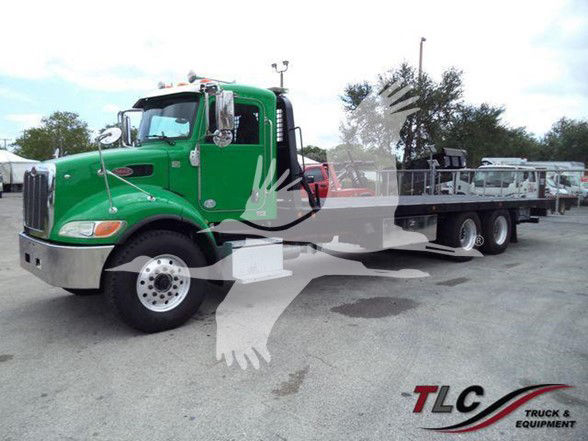
Have 2016 tow truck to sell? List it here to reach thousands of buyers.
About 2016 Tow Trucks
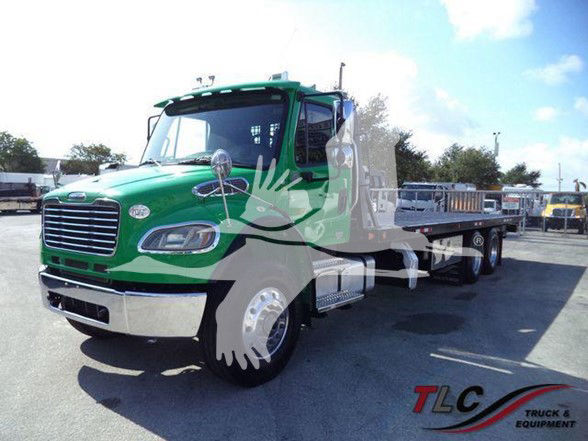
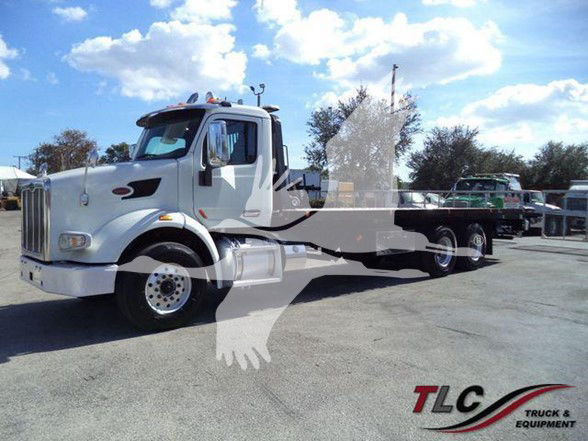
On 2016 rollback tow trucks, the body is usually the first area to compare closely. Common deck sizes include 19 to 22 feet on medium-duty carriers and up to 28 feet on heavier units. Bed width is often around 102 inches, and low-profile or extra-low-profile decks help with approach angle for low-clearance vehicles. Buyers should verify bed rating, wheel-lift capacity, winch rating, rail style, deck construction, and hydraulic condition. A 6-ton steel deck, 3,500-lb wheel lift, and 8,000-lb class winch are common on light-duty carriers, while larger commercial units may carry heavier Jerr-Dan, Miller Industries, Chevron, or similar bodies with more substantial subframe and recovery hardware. Inspect the deck pins, cylinders, hose routing, pivot points, controls, PTO operation, and any signs of frame stress around the body mounts.
The chassis side matters just as much. In 2016, common powertrains include Cummins and Duramax diesel engines paired with Allison automatics in medium-duty applications, while heavy tow builds may use larger-displacement Cummins or PACCAR engines with manual or automated transmissions. Front axle capacity, rear axle rating, wheelbase, suspension type, brake system, and tire size all affect how the truck performs with a loaded deck or when towing from the wheel lift. Air brakes and air ride suspension are common on heavier carriers, while some lighter units are set up for tighter urban work and easier loading cycles. For buyers running longer distances, engine hours, PTO hours, cooling system condition, DEF system service history, and transmission performance deserve the same attention as odometer miles.
A good 2016 tow truck should be matched to dispatch reality, not just headline capacity. Urban impound and repossession work favors maneuverability, low deck height, strong lighting, and quick-access tool storage. Highway and commercial recovery work put more value on double frame construction, higher axle ratings, larger winches, pintle hitches, dual steering gear on heavy trucks, and durable wheel-lift hardware with the right L-arms and tie-down equipment. Body manufacturer support, replacement cylinder availability, and access to standard wear parts can make a big difference in uptime. Buyers comparing 2016 tow trucks should focus on body condition, hydraulic performance, chassis service records, and legal operating weight in their state before narrowing by make alone.
Frequently Asked Questions
What should I look for first on a 2016 tow truck?
Start with the body type, GVWR, and actual recovery work the truck is expected to handle. A 2016 rollback used for light-duty transport should be evaluated for deck rating, wheel-lift capacity, winch condition, hydraulic function, and chassis brake performance. If the truck will handle commercial vehicles or heavier recovery jobs, axle ratings, frame design, suspension, and wheelbase become even more important. Service history for the engine, transmission, PTO, and DEF system is critical on this model year.
Is a 2016 rollback tow truck a good choice for light-duty work?
Yes, a 2016 rollback tow truck can be a very practical option for light-duty towing, dealer transfers, auction hauling, and impound work. Many trucks from this year offer modern diesel power, automatic transmission options, low-profile decks, and body designs that are still easy to support with parts. The best units are those with clean hydraulics, solid deck structure, good bed pins and cylinders, and documented maintenance on the emissions system and transmission.
What deck and wheel-lift specs are common on 2016 tow trucks?
On 2016 light- and medium-duty carriers, common specs include 19-foot to 22-foot decks, about 102 inches of bed width, 6-ton bed capacity, 3,500-lb hydraulic wheel lifts, and winches in the 8,000-lb range. Heavier 2016 tow trucks may have longer 28-foot bodies, higher-capacity recovery equipment, and stronger subframes for commercial transport or medium-duty recovery. Buyers should confirm the actual manufacturer data plate because body upgrades and rebuilds can change usable capacity.
How important are engine hours on a 2016 tow truck?
Engine hours matter because tow trucks often spend significant time idling while loading, unloading, or working a recovery scene. A 2016 tow truck with moderate miles but high engine hours may show wear that is closer to a much higher-mile unit. Hours help explain wear on the PTO, hydraulic system, cooling system, emissions components, and transmission. For a tow truck, engine hours and maintenance records together usually tell a more complete story than mileage alone.
Are 2016 tow trucks expensive to maintain?
Maintenance cost depends heavily on the truck's duty class, body manufacturer, and how well the hydraulic and emissions systems have been maintained. A 2016 light-duty rollback can be relatively manageable if it uses a common diesel engine, an Allison automatic, and a body with widely available parts. Heavy tow units cost more to maintain because of larger tires, higher-capacity brakes, more complex hydraulic equipment, and greater driveline stress. Deferred maintenance on cylinders, hoses, PTO components, or DEF-related parts can quickly outweigh a low purchase price.