
Sutphen Trucks For Sale
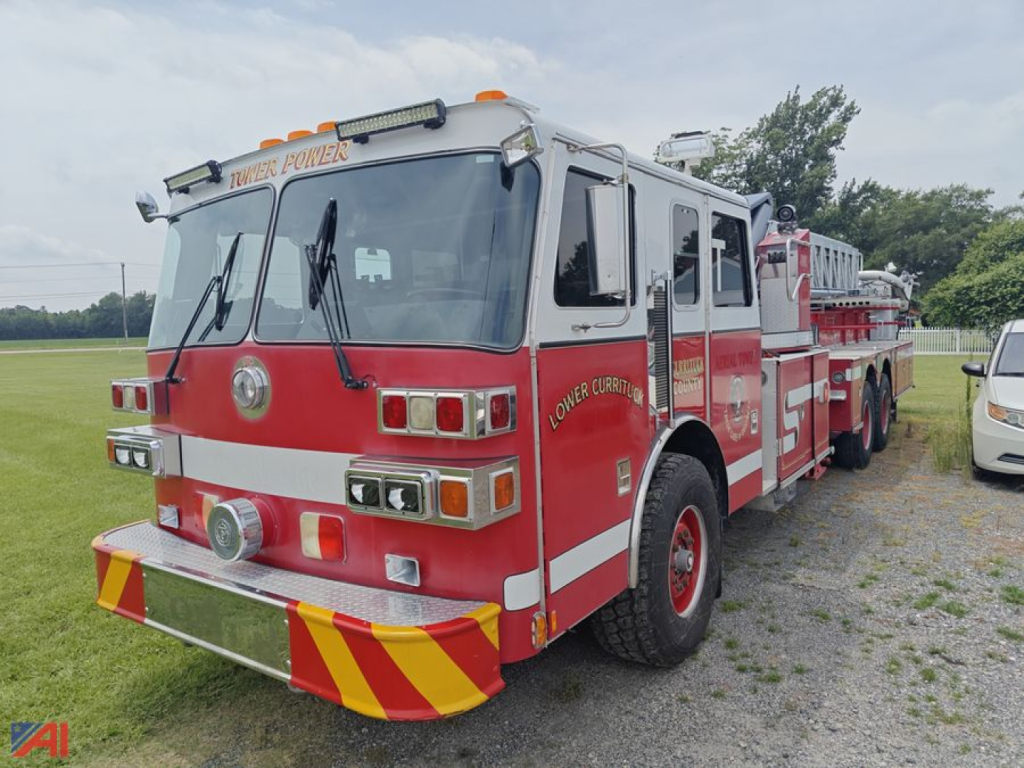
Have sutphen truck to sell? List it here to reach thousands of buyers.
Sutphen Trucks
Drivetrain and chassis details matter as much as body configuration. Many Sutphen units ride on a custom fire chassis with a flat, roomy cab, air ride suspension, and engine options in the medium to heavy duty diesel class paired with an Allison EVS automatic. Expect front axle ratings in the 18k to 22k range and tandems on aerials or large tankers, with robust brake packages and retarder or engine brake for control on grades. Body construction is typically extruded aluminum or stainless-enhanced for corrosion resistance, with deep compartmentation, slide-out trays, SCBA storage, and ladder tunnels designed to protect equipment. Look for scene lighting upgrades, hydraulic or PTO generators, and modern electrical multiplexing that simplifies troubleshooting.
Key performance trade-offs are worth weighing. Bigger water tanks extend initial attack but add wheelbase and turning radius. Aerial platform working height and tip load increase capability but drive axle ratings and outrigger spread requirements, which can affect set-up on narrow streets. Foam systems vary from around-the-pump and direct injection to CAFS, each impacting maintenance and training. Custom chassis improve ergonomics, visibility, and service access compared to commercial chassis, but commercial builds can reduce acquisition cost and simplify parts sourcing in mixed municipal fleets.
Due diligence on a used Sutphen fire truck starts with documentation. Request the latest pump test, aerial certification where applicable, and maintenance logs. Low miles are common on fire apparatus, so verify engine hours and idle time and confirm emissions system health on 2007 and newer units with DPF or SCR. Inspect outrigger cylinders, turntable wear surfaces, ladder or platform sections, and body mounts. Check for galvanic corrosion controls, hosebed condition, valve actuation, and electrical panel labeling. For operations, match seating capacity, hose preconnect layout, intake and discharge sizes, and compartment dimensions to your equipment profile so the unit can go in service with minimal reconfiguration.
Frequently Asked Questions about Sutphen Trucks
What is the advantage of Sutphen’s mid-mount aerial platform compared to a rear-mount ladder?
A mid-mount platform typically rides lower with a reduced travel height and centralized mass, which helps handling and bridge or station clearance. Setup can be fast with a short overall length that fits urban streets. Rear-mounts can offer longer straight ladders and sometimes more ground ladder storage, but they tend to be taller in transport and may place more weight aft.
What pump, tank, and foam configurations are common on used Sutphen pumpers?
Most pumpers fall in the 1250 to 2000 gpm range with 500 to 1000 gallon water tanks. Foam options range from Class A direct-injection systems to around-the-pump and CAFS. The right choice depends on your target hazards. CAFS delivers excellent wetting and cling but adds compressor maintenance and training requirements.
Which chassis and powertrain specs should I focus on when evaluating a Sutphen fire truck?
Confirm engine model and emissions tier, Allison EVS model, axle ratings, gear ratio, and wheelbase. For aerials and large tankers, tandem rears and stronger frames improve stability. Review braking systems, retarders, and suspension, then match GVWR to your planned payload. Cab ergonomics, visibility, and service access affect daily operations and lifecycle cost.
What inspections are critical before purchasing a used Sutphen aerial?
Obtain a current third-party aerial certification and review non-destructive test reports if available. Inspect turntable bearing preload, shear plates, hydraulic lines, cylinders, outrigger pins and pads, and the aerial device for wear or corrosion. Function-test interlocks, leveling sensors, ladder or platform controls, and monitor hydraulic temperatures under load.
How do emissions systems affect used fire apparatus ownership costs?
Units from 2007 onward may have DPF, and 2010 and newer typically add SCR with DEF. Extended idling common in fire service can increase soot loading, so review regen history and any fault codes. Proper maintenance minimizes unplanned downtime. Pre-emissions models avoid aftertreatment complexity but may have different parts availability and compliance considerations.