
Commercial Trucks For Sale Near Strafford, Missouri
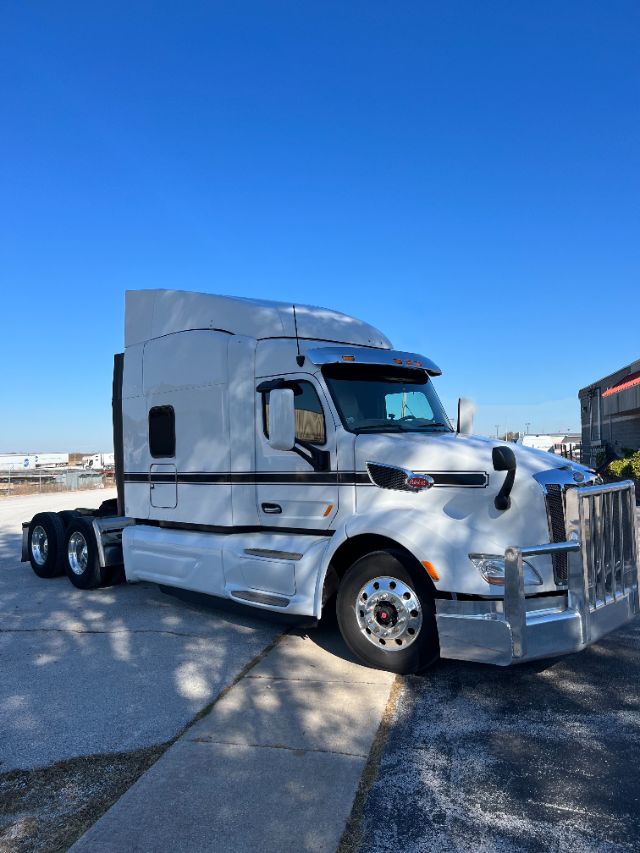
Have commercial truck to sell? List it here to reach thousands of buyers.
Commercial Trucks Near Strafford, Missouri
Powertrain spec matters because it affects resale, service access, and operating cost more than paint or trim. Common heavy-duty truck options include 12 to 15 liter diesel engines from Paccar, Cummins, Detroit, Volvo, and Mack, paired with manual, automated manual, or fully automatic transmissions depending on the application. Buyers comparing over-the-road trucks typically pay close attention to horsepower, torque rating, rear axle ratio, and whether the truck has a direct or overdrive transmission. A fleet truck built for dry van or reefer lanes may prioritize fuel economy and automated shifting, while an owner-operator truck may lean toward higher horsepower, a manual 13-speed or 18-speed, and a premium interior for long-haul comfort.
Truck condition should be evaluated by use history as much as mileage. Service records, emissions system repairs, tire condition, brake life, and signs of frame or suspension wear often tell more than an odometer reading by itself. On sleeper trucks, buyers usually inspect bunk condition, HVAC performance, APU setup, fairings, and overall cab integrity. On vocational and regional units, front axle capacity, locking differentials, PTO provisions, and body mounting dimensions can be more important than interior trim. Missouri operators also tend to consider route profile, seasonal weather, and local dealer support, since downtime and parts availability can quickly outweigh a lower purchase price.
A well-matched truck should fit the freight, the trailer, and the operating radius without being over- or under-spec'd. Tandem axle tractors are common for general freight, while specialized work may call for lift axles, heavier suspensions, or shorter wheelbases for tighter access. Buyers comparing used trucks should also confirm emissions compliance, GVWR or GCWR, fifth wheel setup, and tire size before making a final decision. The best value in this category usually comes from a truck with a clear maintenance history, a powertrain spec that fits the lane, and a configuration that can stay productive without expensive rework.
Frequently Asked Questions about Commercial Trucks Near Strafford, Missouri
What should I look for first when buying a used truck?
Start with the truck's intended application, then verify that the cab style, axle configuration, engine rating, transmission, and wheelbase match that work. After that, review maintenance records, engine hours, tire and brake condition, emissions system history, and any recent major repairs. A truck that is correctly spec'd for the job is usually a better buy than a nicer-looking unit that will need gearing, suspension, or body-related changes.
Is a sleeper truck better than a day cab?
A sleeper truck is better for long-haul lanes, team operations, and routes that regularly require overnight stays. A day cab is usually the better fit for local and regional work where lower weight, easier maneuverability, and simpler maintenance matter more than living space. The right choice depends on length of haul, driver needs, payload targets, and how often the truck is away from the terminal.
Which transmission is best in a heavy-duty truck?
There is no single best transmission for every truck application. Automated manual transmissions are popular for fleet use because they help with driver consistency, fuel economy, and reduced clutch wear. Manual transmissions, including 10-speed, 13-speed, and 18-speed setups, remain common where buyers want more control over gearing, grade handling, or specialized hauling. Fully automatic transmissions are more common in vocational and stop-and-go operations.
How important is engine make when comparing trucks for sale?
Engine make is important because it affects service network access, parts availability, performance characteristics, and buyer preference at resale. Popular heavy-duty engine platforms each have different strengths in fuel economy, torque delivery, emissions system design, and technician familiarity. Buyers often compare the engine together with the transmission and axle ratio, since the full powertrain package determines how the truck will perform in real operating conditions.
What specs matter most on an over-the-road tractor?
For an over-the-road tractor, the most important specs usually include sleeper size or day cab layout, horsepower and torque, transmission type, rear axle ratio, wheelbase, fuel capacity, suspension, and fifth wheel position. Buyers should also verify tire size, brake type, fairing condition, and the truck's maintenance history. These details affect fuel economy, driver comfort, trailer compatibility, and total operating cost over time.