
Sterling Trucks For Sale in Virginia
Explore used Sterling trucks in Virginia. Compare engines, suspensions, and specs to match dump, day cab, or box truck applications and budget.
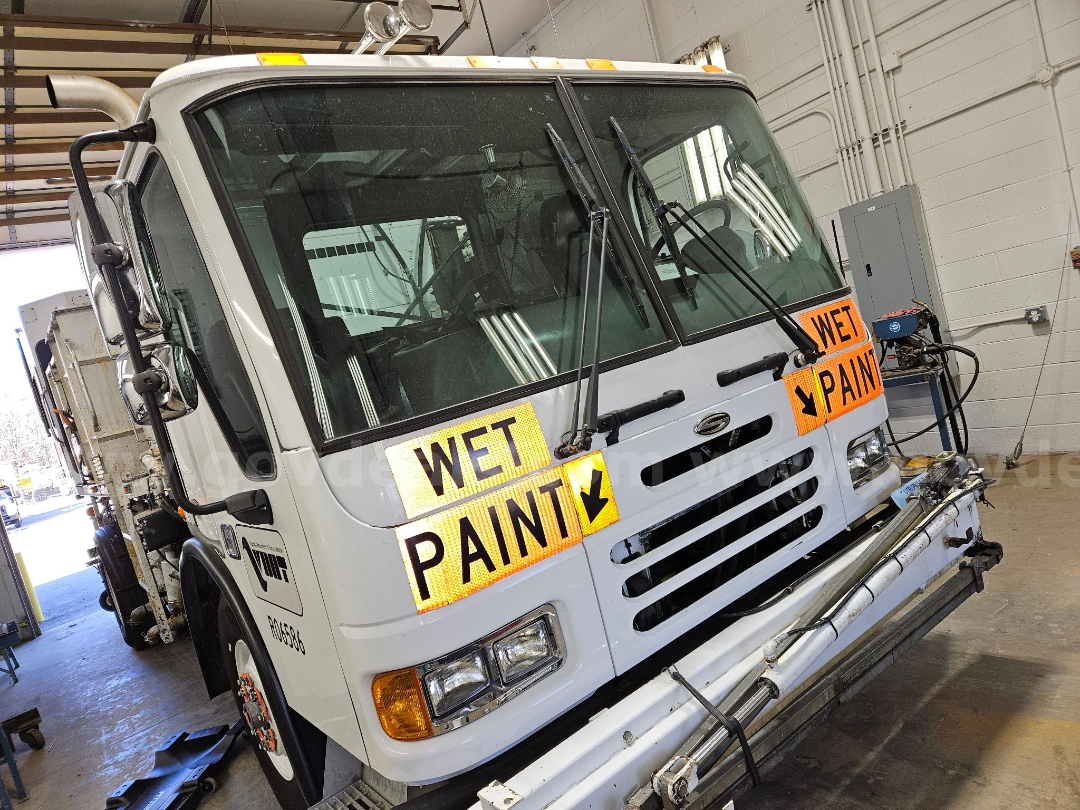

Have sterling truck to sell? List it here to reach thousands of buyers.
Sterling Trucks in Virginia
Sterling’s LT and L line vocational platforms are common as dump, plow, crane, and mixer trucks. Set-back axle steer and compact bumper-to-back-of-cab dimensions help in tight jobsites around Richmond, Norfolk, and Roanoke. Typical heavy specs include 12k to 20k steer axles, 40k to 46k rears with interaxle locks, lift-axle provisions, double or even triple frame liners, and rugged suspensions like TufTrac or Hendrickson HN. Expect air-ride on highway tractors and camelback or walking beam on severe duty. Double frames bring durability and resistance to twist but add weight and can trap moisture between liners if maintenance lags. TufTrac rides firmer than air but puts power down well on sites and in winter service. Factor body needs too, such as PTO and wet kit readiness, high-capacity hoists, coal chutes, and heated mirrors for brine and snow operations.
For delivery, utility, and municipal work, the Sterling Acterra series is a strong medium-duty option. Common builds run 26k to 33k GVWR with 24 to 26 foot van or reefer bodies, liftgates, and Allison automatics that make urban work cleaner and quicker. MBE900, Cat C7, and Cummins ISB pair well with 5 to 9 speed manuals or Allison 2500 to 3000. Visibility, tight turning, and straightforward cab ergonomics are strong points. For mixed highway and secondary roads, many buyers target 3.55 to 3.90 rears with overdrive to keep cruise rpm in an efficient band on 11R22.5 tires. For vocational stop-start or hilly routes, deeper gearing in the 4.10 to 4.56 range improves launch and gradeability.
Ownership costs remain competitive because Sterling shared a lot with Freightliner and Western Star. Chassis, axle, brake, and drivetrain parts are widely supported through Daimler dealer networks and the aftermarket. Cab-specific trim and some dash components may require cross-referencing or salvage, so verify availability on any hard-to-find pieces. In Virginia, inspect frames and crossmembers for corrosion from coastal salt and winter brine, especially between frame liners, around spring hangers, and under dump hoist saddles. On 2007-2009 units, review DPF condition, regen history, and any EGR work. Check kingpins, steering box seepage, air system leaks, ABS lamp function, and HVAC performance. For dumps, confirm PTO engagement, hoist cycle smoothness, and body harness integrity. An ECM download for hours, idle time, fault history, and a gearing check against your route will confirm that the Sterling truck you choose matches your application and operating costs in Virginia.
Frequently Asked Questions about Sterling Trucks in Virginia
Are parts and service still available for Sterling trucks in Virginia?
Yes. Sterling shared major components with Freightliner and Western Star, so drivetrain, axle, brake, and electrical parts are well supported through Daimler dealers and independent aftermarket suppliers. Detroit, Cat, Cummins, and Mercedes-Benz engines are serviceable statewide. Certain cab trim and dash pieces can be harder to source, but cross-references, aftermarket solutions, and salvage support usually solve it.
Which engines and transmissions are most common on Sterling trucks, and what are the trade-offs?
Detroit Series 60, Cat C13 and C15, and Cummins ISM are typical on LT and L line vocational and tractor builds, with Eaton Fuller 10, 13, or 18 speed manuals. Acterra medium-duty models often run MBE900, Cat C7, or Cummins ISB with Allison automatics. Pre-2007 engines avoid DPF complexity. 2007-2009 EGR and DPF systems reduce smoke and noise but add sensors and maintenance steps. Allisons are excellent in stop-and-go work, while multi-speed manuals offer lower operating cost and better control on grades.
What specs work well for dump service in Virginia?
A set-back steer axle for tighter turning, 18 foot steel body with high-capacity hoist, 18k to 20k steer axle, 44k to 46k rears with full locks, double frame, and rugged suspensions like TufTrac or Hendrickson HN are common. Gear ratios in the mid 4s help launch and hill work, while an 18 speed manual or Allison 4500 series automatic handles mixed on and off-road duty. Add a lift axle if you need higher legal weights on state routes, and consider heated mirrors and pre-wet plumbing for winter work.
What should I inspect on a used Sterling before buying?
Start with an ECM report for miles, hours, idle percentage, faults, and regen history if equipped with a DPF. Inspect frame rails and liners for rust between plates, spring hangers, crossmembers, and hoist mounts. Check kingpins, bushings, and steering gear for play or seepage. Verify differential locks engage, look for air leaks, confirm ABS and dash electronics function, and evaluate radiator, fan clutch, and charge air cooler for cooling performance on grades. For box and reefer trucks, confirm liftgate operation and body wiring integrity.
Is a Sterling a good choice for mountain corridors like I-81 and I-77?
Yes, with the right drivetrain. Aim for an engine with a strong engine brake, cooling system in top condition, and axle ratios that keep cruise rpm in the engine’s torque band. Many buyers pair a Detroit Series 60, Cat C13 or C15, or Cummins ISM with 3.55 to 3.90 rears and an overdrive 10 or 13 speed for highway loads, or deeper gears and an 18 speed for heavy vocational work. Verify tire size, transmission top gear, and rear ratio together so downhill control and uphill pull meet your route demands.