
Used Sterling Trucks For Sale in Virginia
Shop used Sterling trucks in Virginia, including Acterra, L-Line and A-Line tractors and dumps. Compare engines, axles, specs and configurations.
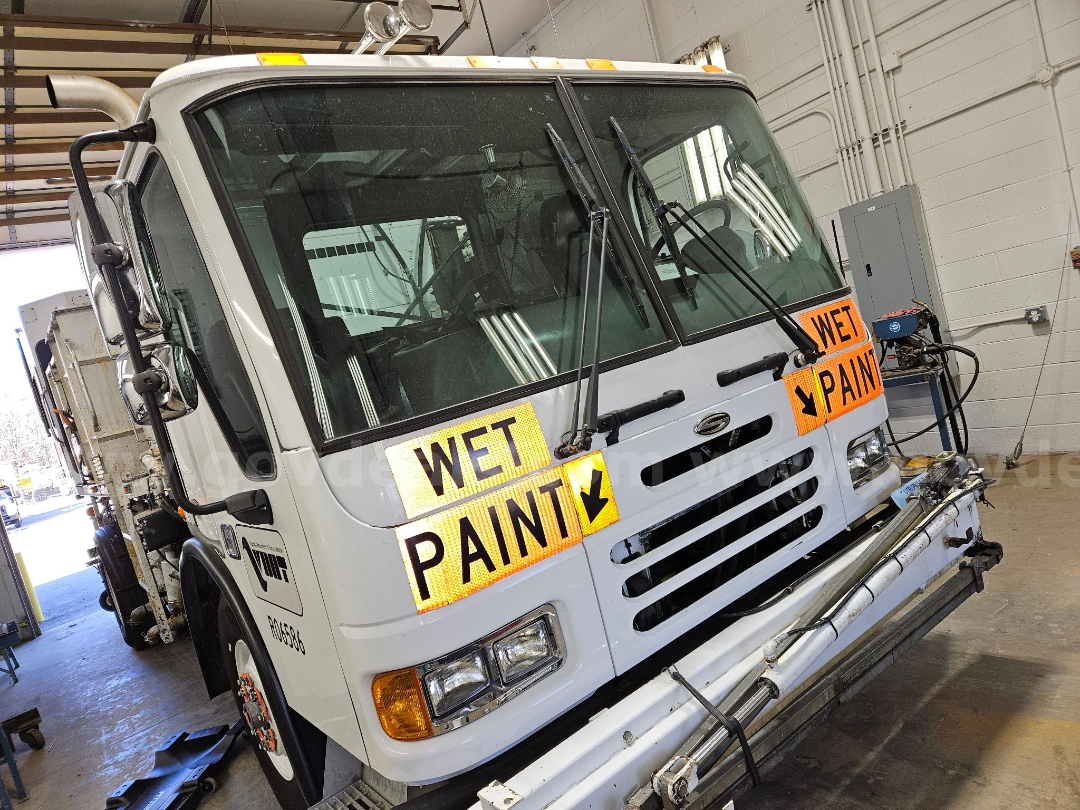

Have used sterling truck to sell? List it here to reach thousands of buyers.
Used Sterling Trucks in Virginia
Model families break into Acterra medium duty and the L-Line or A-Line heavy duty platforms. Acterra straight trucks are popular as box, utility, service and tanker builds with 19.5 or 22.5 inch rubber, wheelbases that fit city work, and plenty of PTO-friendly options. L- and A-Line chassis serve as day cab road tractors, dump, mixer, roll-off and heavy municipal units. Typical ratings include 12k to 14.6k front axles and 40k to 46k rears with full locking differentials. Frames often use double inserts for dump or roll-off duty. Suspensions you will see include Hendrickson RT or Haulmaax steel, Neway and Hendrickson air ride, plus Chalmers on severe service. Many vocational Sterlings were ordered with front frame extensions, front PTO provisions and high-capacity cooling for slow speed work.
Virginia operating conditions influence spec choices. Mountain grades on I-81 and I-64 reward 13 speed gearboxes, Jacobs brakes and axle ratios in the 3.90 to 4.33 range for dump and lowboy work, while Tidewater and I-95 regional haul runs favor 10 speed or automated setups with 3.36 to 3.73 rears. For dump applications, confirm axle spreads against bridge law and check for compliant tarp systems, DOT-C2 conspicuity tape and proper pintle or gladhand plumbing if pulling a tag trailer. Port drayage day cabs benefit from sliding fifth wheels, double-locking rears, cab-mounted air and electrical, and 22 to 24.5 inch tires that match yard ramp heights. Coastal corrosion is a real factor, so inspect crossmembers, spring hangers, battery boxes and cab floors for rust, and look closely at body subframes on older dumps.
Serviceability remains a Sterling strength. The brand lived under Daimler, so many cab, chassis and electrical components interchange with Freightliner-era parts, and engine, brake and axle support runs through Caterpillar, Cummins, Detroit, Mercedes, Meritor, Bendix and Wabco networks. On inspection, verify DPF condition on 2007 to 2009 units, look for EGR cooler or charge air leaks on MBE and CAT engines, check wiring looms behind the dash for chafe, and test PTO engagement under load if the truck is spec’d for hydraulics. Standard SAE interfaces for the 7-way, gladhand layout and fifth wheel heights make Sterling tractors compatible with modern trailers, and the straightforward dash and multiplex systems keep diagnostics manageable with J1939 tools.
Frequently Asked Questions about Used Sterling Trucks in Virginia
Are parts and service still available for Sterling trucks?
Yes. Daimler’s legacy support and the overlap with Freightliner-sourced components keep cab, chassis and electrical parts available. Powertrain service flows through the engine OEMs and major component suppliers like Meritor, Bendix and Wabco. Aftermarket hoods, grilles, lighting, door hardware and interior trim are widely distributed, and suspension, brake and axle parts are standard catalog items.
Which engines and transmissions are most common in used Sterling trucks?
Heavy duty Sterlings often carry Detroit Series 60, Caterpillar C13 or C15, Mercedes MBE4000 and Cummins ISM. Medium duty Acterra models commonly use CAT C7 or C9 and Mercedes MBE900, with some Cummins ISC. Manuals are usually Eaton Fuller 8, 9, 10, 13 or 18 speed, while Allison 3000 and 4000 Series automatics appear in vocational, municipal and utility builds.
What should I inspect on a used Sterling before buying?
Start with frame rails, crossmembers and double frame inserts for rust and drilling. Check spring hangers, cab mounts, steering components and body subframes on dumps and roll-offs. Verify DPF health on 2007 to 2009 units, look for EGR cooler seepage, pressure test the cooling system, and scan the ECM for inactive and active faults. Inspect wiring harnesses for chafe behind the dash and along the frame, confirm PTO and hydraulic operation, and evaluate brake lining, drums or rotors, and air system integrity.
How do Virginia operating conditions affect the right Sterling spec?
For mountain routes and quarry work, prioritize engine brake performance, multi-range gearboxes, and axle ratios around 3.90 to 4.33 with full locking differentials. Regional highway or port work in the Tidewater area often favors 10 speed or automated gearboxes with 3.36 to 3.73 rears for fuel economy. Ensure axle spreads and overall length meet bridge law, and confirm required equipment such as tarps, conspicuity tape and proper trailer connections for compliance.
Are Sterling tractors and straight trucks compatible with modern trailers and equipment?
Yes. Sterling tractors use standard fifth wheels and kingpin interfaces, SAE J560 7-way electrical, and conventional air service and emergency lines. Many have sliding fifth wheels and cab-mounted connections suitable for container yards. Straight trucks with PTOs use common Chelsea or Muncie equipment, and hydraulic, electrical and lighting systems follow industry standards, which simplifies upfitting and body swaps.